B
A C D E F G SERVICE
10
B
Creating the Cavity
B1 Cavity Shape
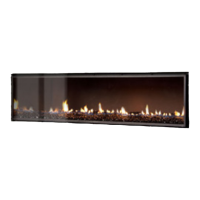
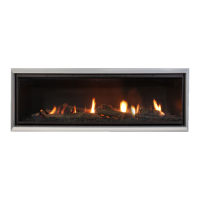
The DX1500 / DX1000 is suitable for timber framed cavities. Most existing masonry cavities
will not be suitable.
The cavity design & shape will be dependent on a number of things, detailed below
B2 Designing the Cavity
The following aspects must be considered when designing this installation:
• Appliance physical size
• Single sided or Double sided
• Wall finishing and interaction with appliance
• Positioning of appliance in regards to wall lining (depth into wall)
• Is a Fascia to be used? one side or two sides?
• Exhaust cowl aspect – horizontal / vertical and flue configuration
• Flue exhaust fan noise- Is there a direct noise path along the flue, especially for short flue
runs?
• Exhaust cowl access for maintenance
• Duct layout and cavity spaces to run ducting
• Duct fan position
• Access to duct fan for maintenance
• Gas pipe layout
• Gas isolation valve / pressure test point position
• Electrical isolation switch
• Home automation network connections - Ethernet cable layout
□
The cavity and wall linings may be constructed from standard timber framing materials and do
not need to be non-combustible.
It is not necessary to line the sides, or back of the cavity.
This DX1500 / DX1000 fire is to be installed prior to any wall lining.
The wall lining is the very last task to be completed in this installation.



 To Next Page