IP Server 900 Programming Manual Function 3: Station programming
F.13
IP phones
Important: BEFORE assigning IP stations here, complete programming Function 821 (and, if necessary, Function
822); see “Function 8: IP PBX,” page L.1.
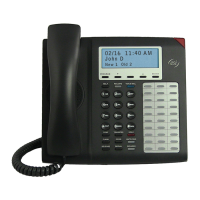
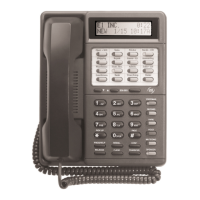
The IP Server 900 supports the following IP products:
Item Product status Local IP Remote IP
ESI 60IP Current Yes Yes
ESI 40IP Current Yes Yes
48-Key IP Feature Phone II Current Yes Yes
ESI Local IP Cordless Handset II Current Yes No
ESI Remote IP Cordless Handset II Current No Yes
VIP 7 Softphone Current Yes Yes
SIP phones [non-ESI] — Yes Yes
(See “System capacities,” page B.1, for the maximum number of IP phones that your IP Server 900
configuration will support.)
Programming IP stations is similar to programming digital stations, except that additional, IP networking
parameters are required for the former.
There are three ways IP networking parameters can be assigned to IP stations in an IP Server 900:
• Via Function 31, as described in the following pages.
• Using IP Server 900 Web ESI System Programmer.
• Via “setup mode” at an ESI desktop IP phone.
Important: If you choose “setup mode,” you must have at least one ESI desktop IP phone in the system to
perform this assignment of network parameters to IP stations.
Note: In order to be programmed in Function 31, an IP port must be designated in Function 87 (page L.15) as
an ESI IP station or SIP station.


 To Next Page