Functional Overview
2-4
VX4792 User Manual
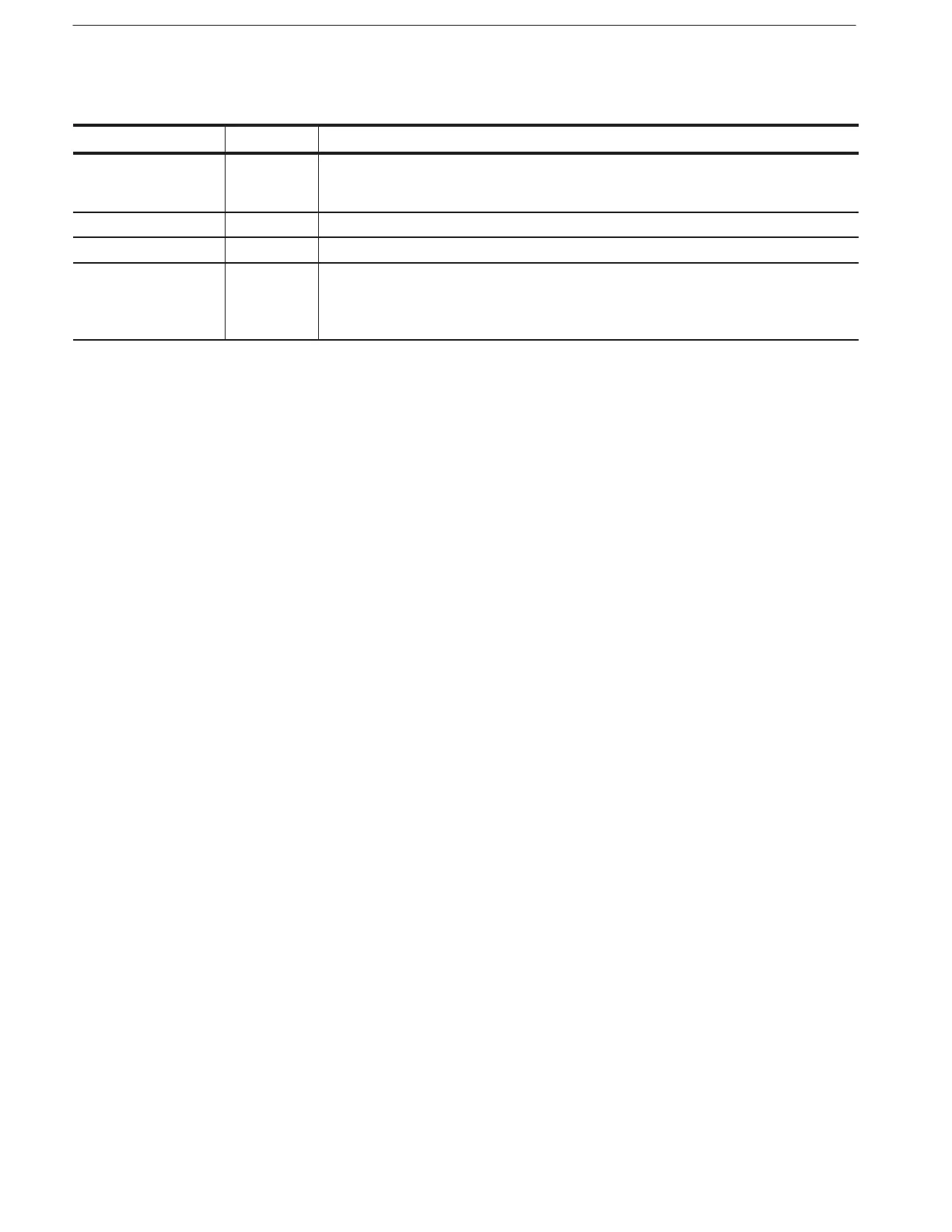
Table 2-1: Types of Waveform Files
File Type Suffix Description
$ " % ! " "! " %$ " " ! " ! "
" & !" #"! $ #" " # ! " %$ !
#"! !
$ #" # %$ #" "! #"! "" & !! %$ " !"!
$ !# ! %$ !# !! ! ! %$ " !
$ #"!" !" %$ #"!" !! ! ! %$ " ! %$ !(
# ! " %$ " &#"! %$ #"!" " "!
" %$ " !" ! " %"! " " "
&" ! #"!" ' # ## #"#" " !
Please remember that the waveform generator does not create waveform files
internally. You can load the waveform data in a number of ways, including the
following:
H Use a GPIB utility program, such as IBIC, to transfer the data from the
standard accessory Sample Waveform Library disk to the VX4792 Arbitrary
Waveform Generator.
H Create and compile waveform files using the ,
, and commands (pages 3–35 through
3–37). See Equations on page 2–18 for details.
H Capture waveforms on a digitizer or digitizing oscilloscope and transfer the
data to a controller. Then transfer the data to the waveform generator.
H Generate data with C or BASIC programs and transfer the data to the
waveform generator.
The waveform data that is available on your controller must be loaded into the
internal memory of the waveform generator. Use the
(page 3–29), (beginning on page 3–83), and (page 3–27)
commands. After waveform data has been loaded into the waveform generator
memory, you can select output parameters and other operating modes to produce
the desired waveform.
See the Transferring Waveforms programming example on page 2–45 for
additional information.



 To Next Page