7-2
7.6 SEAT BELTS
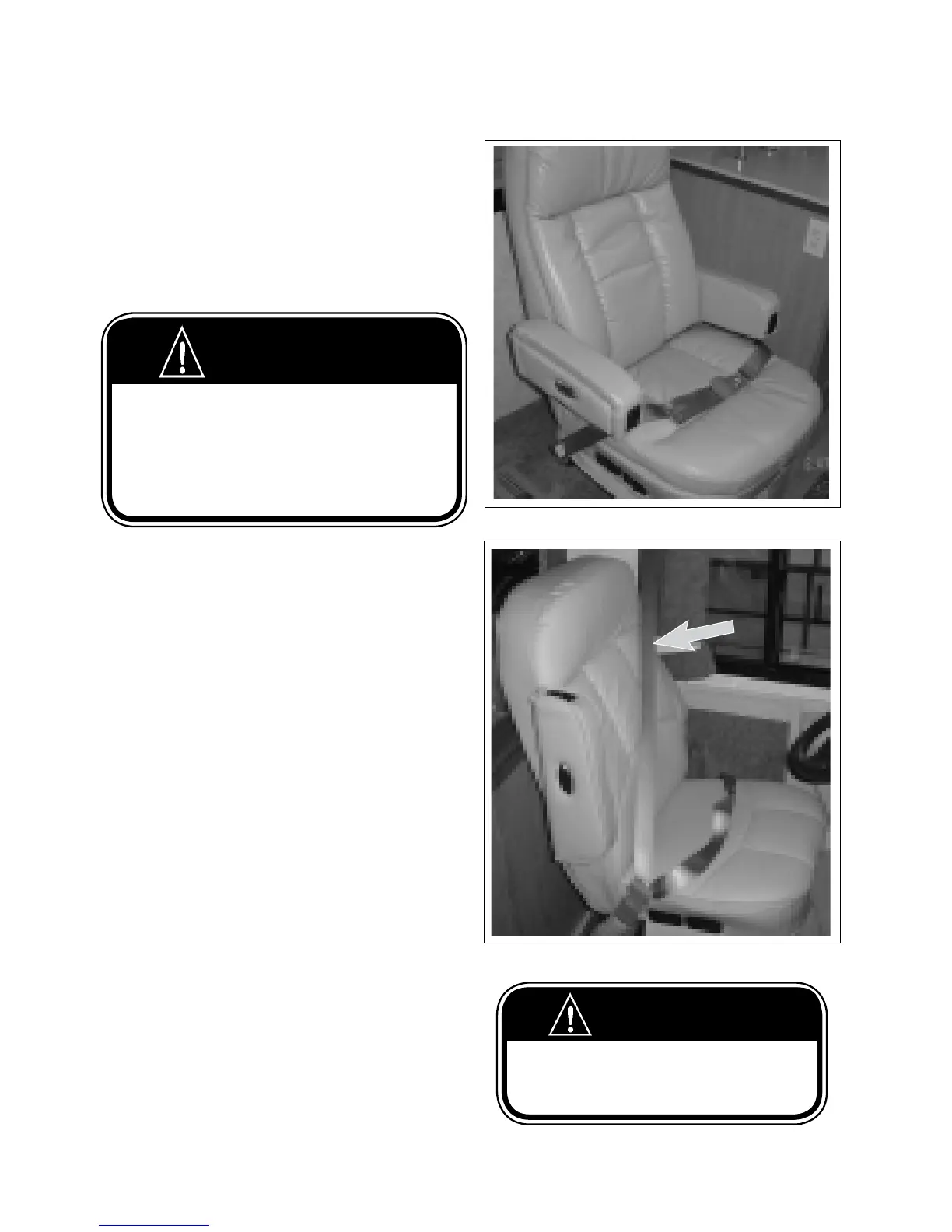
7.6.1 LAP BELTS
Seats intended for passenger use when travelling are
equipped with seat belts.
Make sure lap belts are adjusted to a snug t and as
low on the hips as possible for maximum safety and
protection.
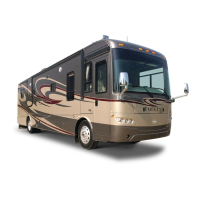
7.6.2 SHOULDER/LAP BELTS
The driver and co-pilot seats of your vehicle are
equipped with shoulder belts that have automatic
locking retractors that allow you to adjust the belt for
maximum comfort as well as safety.
Seat belts provide maximum safety only when ad-
justed and worn correctly when the seat is in the for-
ward facing position. The lap part of the belt should
be worn as low as possible with the shoulder strap
diagonally across the chest, over the shoulder but not
against the neck.
NOTE
If you pull the strap away from the wall too
quickly, the automatic retractor may “lock”.
To free it, relax the tension and then pull it
away from the wall slowly.
CAUTION
Make sure all passengers are instructed on
the release mechanisms of the seat belts so
that they are able to get out quickly in case of
emergency.
COMMANDER / EMBASSY
Fig. 7-4 SHOULDER LAP BELTS
Fig. 7-3 LAP BELT (TYPICAL)
Snug and low belt position are important. In case of col-
lision, the force will be spread over the strong hip area
rather than the weaker abdomen area. This could prevent
serious injury.
Only seats equipped with seat belts should be occupied
when travelling.
WARNING
Never wear seat belts in any way other than as
described. Serious injury may result from improper
use of seat belts.
WARNING
7-2
7.6 SEAT BELTS
7.6.1 LAP BELTS
Seats intended for passenger use when travelling are
equipped with seat belts.
Make sure lap belts are adjusted to a snug t and as
low on the hips as possible for maximum safety and
protection.
7.6.2 SHOULDER/LAP BELTS
The driver and co-pilot seats of your vehicle are
equipped with shoulder belts that have automatic
locking retractors that allow you to adjust the belt for
maximum comfort as well as safety.
Seat belts provide maximum safety only when ad-
justed and worn correctly when the seat is in the for-
ward facing position. The lap part of the belt should
be worn as low as possible with the shoulder strap
diagonally across the chest, over the shoulder but not
against the neck.
NOTE
If you pull the strap away from the wall too
quickly, the automatic retractor may “lock”.
To free it, relax the tension and then pull it
away from the wall slowly.
CAUTION
Make sure all passengers are instructed on
the release mechanisms of the seat belts so
that they are able to get out quickly in case of
emergency.
COMMANDER / EMBASSY
Fig. 7-4 SHOULDER LAP BELTS
Fig. 7-3 LAP BELT (TYPICAL)
Snug and low belt position are important. In case of col-
lision, the force will be spread over the strong hip area
rather than the weaker abdomen area. This could prevent
serious injury.
Only seats equipped with seat belts should be occupied
when travelling.
WARNING
Never wear seat belts in any way other than as
described. Serious injury may result from improper
use of seat belts.
WARNING



 To Next Page