SPEEDGATE Installation and Maintenance Manual Revision 1 - MAY 2023
31
UL 325 COMPLIANT SENSORS
device) must NOT be employed. A Warning placard stang, “WARNING - Moving Gate has the
Potenal of Inicng Injury or Death - Do Not Start the Gate Unless the Path is Clear” must be
placed adjacent to the gate system controls.
UL 325 Compliant Sensors
For MOST installaons, at least two (2) independent means of protecng against entrapment are required
in each direcon of gate travel (open, close). For ALL installaons, at least two (2) independent means of
protecng against entrapment are required in each direcon where there is a risk of entrapment.
Entrapment protecon device types include the inherent reversing sensor system (i.e., Type A), built into
the SpeedGate operator, as described in the previous secon.
To enable fully automac operaon, all bi-fold gate operators will require a minimum of ONE monitored
external entrapment protecon sensor to protect entrapment zones in either the open or close direcon
of travel (i.e., 1 for the open direcon plus 1 for the close direcon). However, an addional monitored
sensor is required if there is a risk of entrapment in both direcons of gate travel.
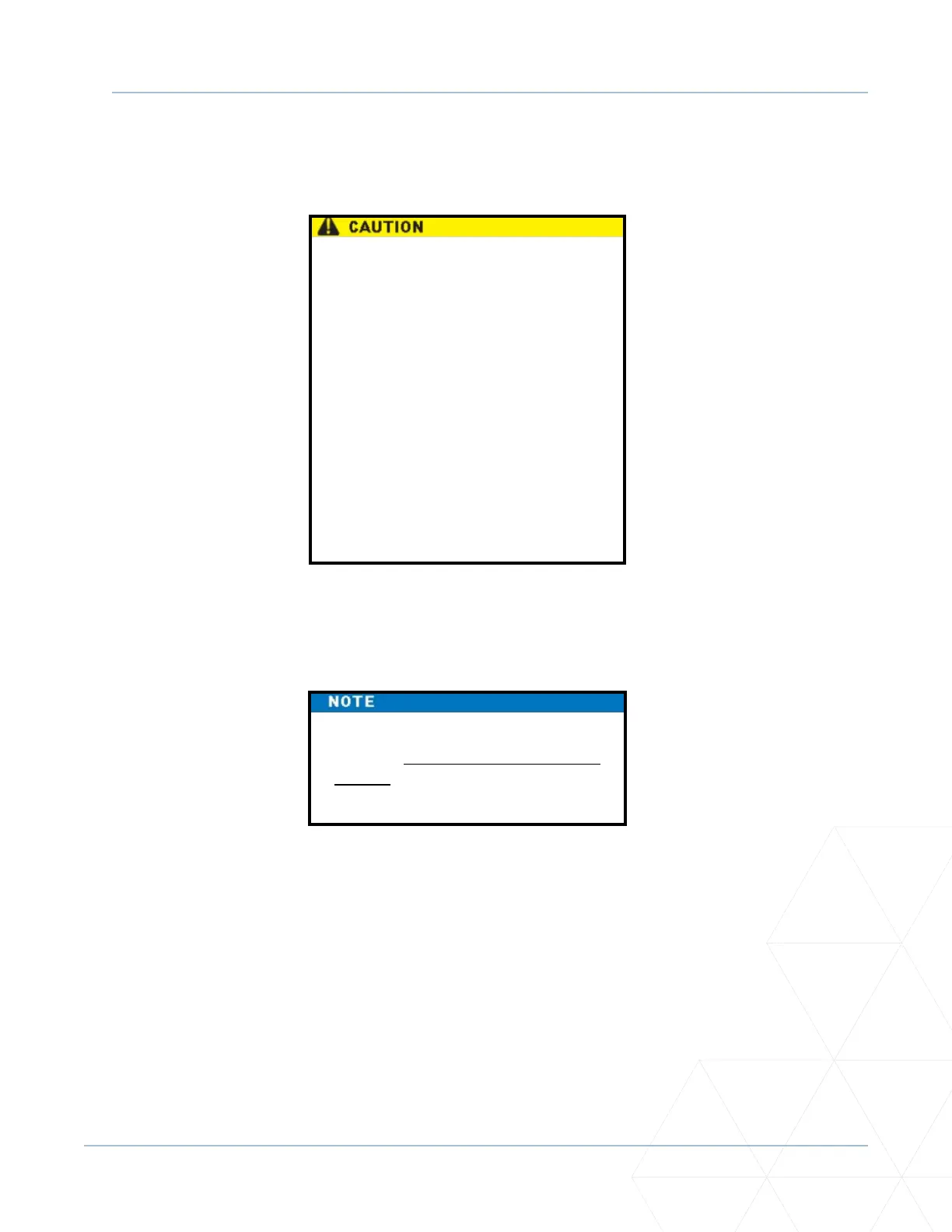
Compliance issues exist with a Type E
device (audible warn before operate
alarm). A Type E device is permied
as a means of external entrapment
protecon by UL 325 in Class IV
applicaons, but it is not recommended
by Wallace Perimeter Security because
a buzzer warns, but cannot protect
against possible entrapment. Wallace
Perimeter Security highly recommends,
even for Class IV use, that external
entrapment protecon (edge or photo
eye sensor) devices be installed to
detect possible entrapment.
All external entrapment protecon
sensors must have N.C. sensor
outputs for monitoring and powering
purposes.


 To Next Page