62 03/2016 – UM-MT-EN-01
7.2.5 Measuring Heart Rate
To select the optimum fitness levels for the workout, it is important to determine your
heart rate and pulse as accurately as possible. For this, the use of a high-quality heart
rate monitor is recommended.
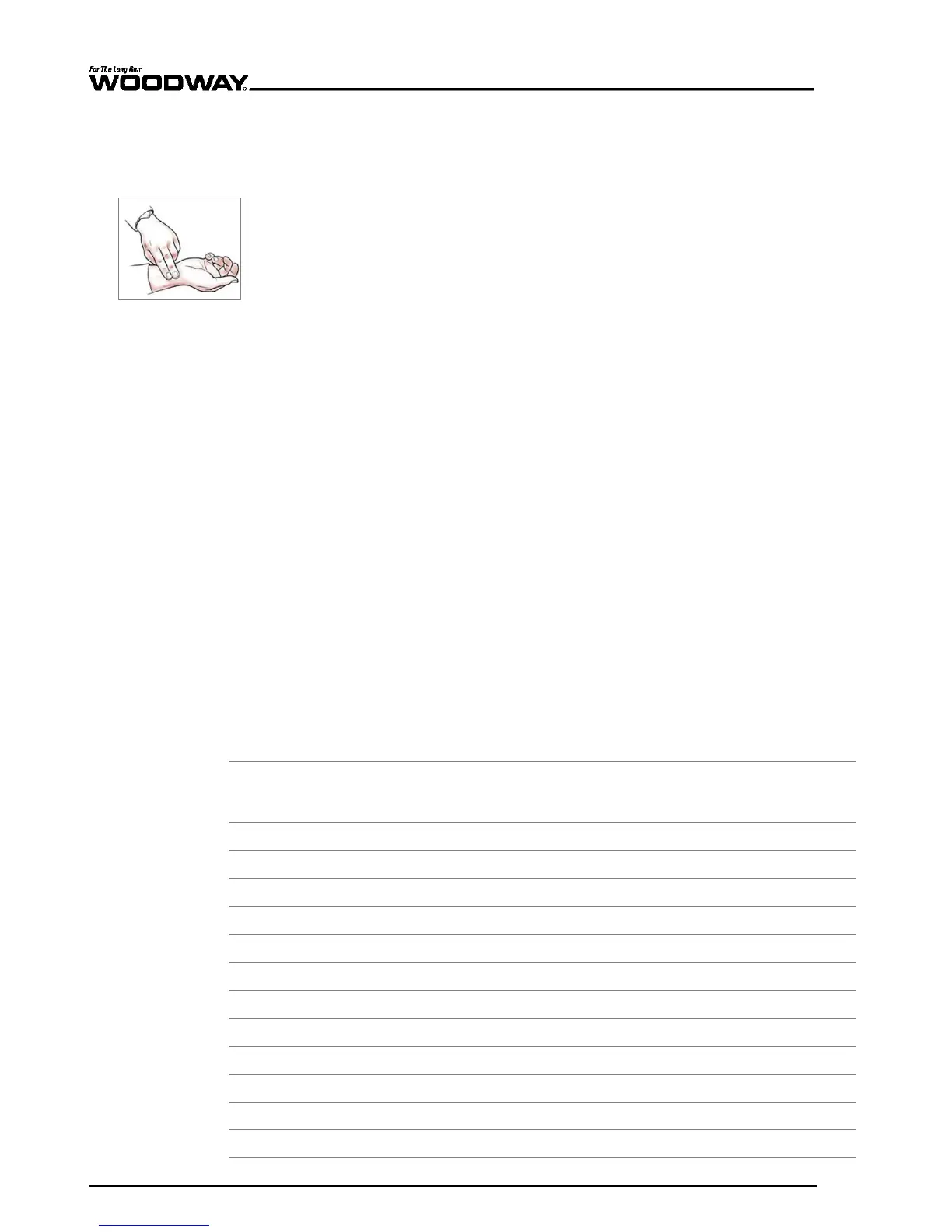
In the event that you do not have a heart rate monitor, you can take your pulse by
placing your fingers on the underside of your wrist or on one side of your neck. Look at
the second hand of a clock and count how many beats you feel in 15 seconds. Multiply
this number by 4 to calculate the BPM (beats per minute). Your heart rate is required
when you do your fitness test.
7.2.6 Calculating Maximum Heart Rate
For selecting the individual training intensity, it is important to determine one's own
heart or pulse rate. For this, the use of a heart rate monitor is recommended. The
pulse can also be determined by placing the middle and index fingers together on one
side of the neck (a few centimeters outward from the larynx). Count the number of
beats within a 15 second period and multiply by 4 to determine the beats per minute
(BPM).
To determine your maximum heart rate subtract your age from the number 220
(general formula). The difference is an approximation of your maximum heart rate.
This formula is used by the American Heart Association (AHA) and the American
College of Sports Medicine (ACSM). Your actual maximum heart rate is determined by a
stress test performed by your doctor. The American Heart Association recommends un-
dergoing a stress test if you have a history of heart disease or if you are over 40 years
old and starting an exercise program.
During training it is recommended not to exceed a value of 85% of your maximum heart
rate. Our programs are designed so that the heart rate remains within the target range.
Your target range is between 60 and 75% of your maximum heart rate. If you find that
your heart rate is above the 75%, you are probably running too fast. Reduce your speed
or stop your workout for a brief moment to bring your heart rate back to the target
range.
Use the following chart to determine your heart rate range:
Maximum
heart rate
[BPM*]
60% of the
maximum heart
rate [BPM]
75% of the
maximum heart
rate [BPM]
85% of the
maximum heart
rate [BPM]
Heart Rate
Recommendation




 To Next Page