EasyManua.ls Logo

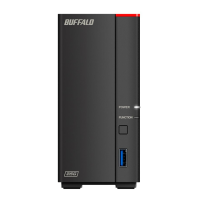
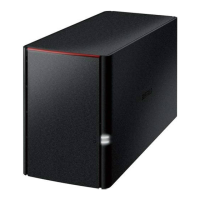
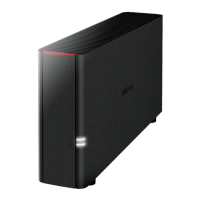
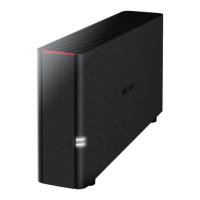
Buffalo LinkStation 210D - User Manual

Buffalo LinkStation 210D
137 pages
Print Icon
To Next Page IconTo Next Page
Loading...
Network Attached Storage
LinkStation 200
User Manual
Please make sure to read this manual before using and follow the procedures. If you have any inquiries about
the product, contact the number on the warranty statement or the packing box. Do not discard the included
documents, the warranty statement, or the packing box.
Americas: www.buffaloamericas.com
Europe: www.buffalo-technology.com
Asia Pacific: www.buffalo-asia.com
35020312-16
June 2020
Questo manuale d’istruzione è fornito da trovaprezzi.it. Scopri tutte le offerte per Buffalo LinkStation
210D 3 TB o cerca il tuo prodotto tra le migliori offerte di Storage

Table of Contents

Question and Answer IconNeed help?

Do you have a question about the Buffalo LinkStation 210D and is the answer not in the manual?

Summary

Chapter 1 Getting Started

Diagrams

Illustrates the physical components and ports of the LinkStation device.

Turning the LinkStation On and Off

Provides instructions on how to properly power the LinkStation on and off.

Installing Applications

Guides users on installing essential software like NAS Navigator2 and mobile apps.

Settings Up Through Setup Wizard

Details the initial configuration process using the setup wizard for LinkStation.

Accessing Shared Folders

Explains how to access shared folders from both computers and mobile devices.

Chapter 2 Configuration

Opening Settings from a Computer

Describes methods to access LinkStation settings via a web browser or NAS Navigator2.

Opening Easy Admin

Instructions for accessing the simplified administration interface for common settings.

Opening Advanced Settings

Guides users to access the comprehensive settings interface for detailed configuration.

Opening Settings from a Mobile Device

Details how to configure the LinkStation using a smartphone or tablet.

Chapter 3 File Sharing

Configuring Shared Folders

Covers creating, managing, and setting up shared folders for data access.

Configuring Users

Explains how to create, manage, and configure user accounts and their permissions.

Converting Local Users into External Users

Procedure to convert local user accounts to external authentication.

Adding a Group

Instructions for creating user groups to manage permissions collectively.

Configuring Access Restrictions

Details how to set access restrictions for shared folders based on users or groups.

Local Users and Groups

Managing access permissions for local user accounts and groups.

Active Directory

Configuring access restrictions using Active Directory domain accounts.

NT Domain

Setting up access restrictions with NT Domain authentication.

User Authentication with an External SMB Server

Linking to an external SMB server for centralized user authentication.

Chapter 4 Storage Management

RAID Modes

Explains different RAID configurations like RAID 1, RAID 0, and JBOD.

Working with RAID Arrays

Guides on managing and configuring RAID arrays for storage.

Using JBOD

Details on using drives as individual units in JBOD mode.

Changing the RAID Mode

Procedure for modifying the RAID configuration of the LinkStation.

Expanding RAID Capacity Without Deleting Data

Steps to increase RAID capacity without data loss.

RAID Scanning

Instructions for performing RAID array scans to check for errors.

Adding an External Drive

How to connect and use external USB drives with the LinkStation.

Dismounting Drives

Procedure for safely removing internal and external drives.

Checking Drives

Guide to performing drive checks for data integrity.

Formatting Drives

Steps for formatting internal and external drives.

Erasing Data on the LinkStation Completely

Instructions for performing a secure, complete data erasure of the LinkStation.

Quotas

Information on setting storage quotas for users and groups.

Drive Replacement

Procedures for replacing a malfunctioning drive within the LinkStation.

Replacing a Defective Drive

Step-by-step guide for physically replacing a failed hard drive.

Rebuilding the RAID Array

Instructions on how to rebuild the RAID array after drive replacement.

Chapter 5 Remote Access

WebAccess

Enabling and configuring WebAccess for remote file access.

Configuring from Easy Admin

Setting up WebAccess using the simplified Easy Admin interface.

Configuring from Advanced Settings

Detailed configuration of WebAccess features via the advanced settings.

Accessing Remotely

Information on accessing LinkStation files remotely from various devices.

FTP

Guides on enabling and using the FTP server for file access.

Chapter 6 Backup

Backing Up Data on the LinkStation

Overview of backing up LinkStation data to various destinations.

Backup Modes

Explains different backup types: Normal, Overwrite (Incremental/Differential).

Preparing a Backup Destination

Steps to configure a shared folder or USB drive as a backup target.

Configuring a Backup Job

Guide to setting up automated backup schedules and tasks.

Backing Up Your Mac with Time Machine

Instructions for configuring the LinkStation as a Time Machine backup destination.

Copying from a USB Device

Details on using Direct Copy to transfer data from USB devices.

Enabling Direct Copy

Steps to activate the Direct Copy function for USB devices.

Starting Direct Copy

Procedure for initiating a data copy from a USB device.

Chapter 7 Multimedia

DLNA

Enabling and configuring the DLNA server for media streaming.

Configuring from Easy Admin

Setting up DLNA server via the Easy Admin interface.

Configuring from Advanced Settings

Detailed DLNA server configuration in advanced settings.

Playing Files

How to play media content from the LinkStation on DLNA-compatible devices.

Connected DLNA-Compatible Devices

Viewing devices connected to the LinkStation for DLNA services.

Streaming to DLNA-compatible Devices

Ensuring media files are available for streaming to DLNA devices.

Disabling Playback from Specific Devices

Blocking specific DLNA devices from accessing media content.

iTunes Server

Enabling and configuring the iTunes server for music sharing.

BitTorrent

Information and configuration for using the BitTorrent client.

Configuring BitTorrent

Steps to set up and configure the BitTorrent download functionality.

Opening the Download Manager

Accessing the interface for managing BitTorrent downloads.

Downloading Files

Instructions on how to download files using the BitTorrent manager.

Connecting a Printer

Guide to connecting and setting up a USB printer with the LinkStation.

Chapter 8 Advanced Features

Email Notification

Configuring email alerts for system events like errors or status changes.

Sleep Mode

Setting up scheduled sleep timers to conserve power.

Encrypting Data Transmission

Methods for securing data transmission, including settings and FTP.

Encrypting Settings Data

Securing communication with the LinkStation's settings interface via SSL.

Encrypting FTP Transfer Data

Using SSL/TLS for secure password and file transfers via FTP.

SSL Keys

Information on SSL certificates and private keys for secure connections.

Updating SSL Key Files

Procedure to update server certificates and private keys for SSL.

Restoring Factory Defaults

Methods to reset the LinkStation to its original factory default settings.

Initializing from Settings

Resetting LinkStation settings via the management interface.

Initializing Using the Function Button

Resetting LinkStation settings using the physical function button.

Updating the Firmware

Instructions for updating the LinkStation's firmware to the latest version.

Name, Date, Time, and Language

Configuring the LinkStation's hostname, date, time, and display language.

Jumbo Frames

Optimizing network performance by configuring jumbo frame support.

Changing the IP Address

Guide to manually setting or changing the LinkStation's IP address.

Chapter 9 Configuring from Mobile Devices

Settings Available from Your Mobile Device

Overview of settings that can be managed using mobile devices.

Configuring Users

Managing user accounts (create, delete, password change) via mobile app.

Adding a User

Step-by-step guide to creating a new user account via the mobile app.

Changing the Password

How to change a user's password using the mobile configuration app.

Deleting a User

Procedure for deleting an existing user account via the mobile app.

Configuring Shared Folders

Managing shared folders (create, restrict access, delete) from mobile.

Adding a Shared Folder

Creating a new shared folder using the mobile interface.

Configuring Access Restrictions

Setting access permissions for shared folders via the mobile app.

Deleting a Shared Folder

Removing a shared folder using the mobile configuration interface.

Configuring WebAccess

Setting up remote access through WebAccess using mobile apps.

If Unable to Create a BuffaloNAS.com Name

Troubleshooting steps for creating BuffaloNAS.com names via mobile.

Configuring the DLNA Server

Setting up the DLNA server for media sharing via mobile.

Managing USB Devices

Operations for USB devices like dismounting, Direct Copy, and print server.

Dismounting USB Drives

Procedure to safely dismount USB drives using the mobile interface.

Enabling Direct Copy

Activating the Direct Copy function for USB data transfer via mobile.

Starting Direct Copy

Initiating data copy from USB devices using the mobile app.

Enabling a Print Server

Configuring the LinkStation as a print server via mobile.

Rebuilding the RAID Array

Initiating RAID array rebuild process from a mobile device.

Chapter 10 Utilities

NAS Navigator2

Utility for managing LinkStation settings, IP address, and drives.

NovaBACKUP

Windows utility for backing up computer data.

Chapter 11 Appendix

Power LED Operations

Explains power LED patterns and corrective actions for errors.

Default Settings

Lists the default configuration settings for the LinkStation.

Specifications

Technical specifications for the LinkStation hardware and interfaces.

Chapter 12 Regulatory Compliance Information

For Customers in the United States

Compliance information and statements for users in the United States.

FCC Statement

FCC compliance details regarding radio frequency interference.

Proposition 65

Information regarding chemicals known to cause cancer or reproductive harm.

For Customers in Europe

EU Declaration of Conformity and regional compliance information.

AC Adapter

Specifications and model details for the external AC power adapter.

ErP Lot 7

Ecodesign requirements for external power supplies.
Summary

Chapter 1 Getting Started

Diagrams

Illustrates the physical components and ports of the LinkStation device.

Turning the LinkStation On and Off

Provides instructions on how to properly power the LinkStation on and off.

Installing Applications

Guides users on installing essential software like NAS Navigator2 and mobile apps.

Settings Up Through Setup Wizard

Details the initial configuration process using the setup wizard for LinkStation.

Accessing Shared Folders

Explains how to access shared folders from both computers and mobile devices.

Chapter 2 Configuration

Opening Settings from a Computer

Describes methods to access LinkStation settings via a web browser or NAS Navigator2.

Opening Easy Admin

Instructions for accessing the simplified administration interface for common settings.

Opening Advanced Settings

Guides users to access the comprehensive settings interface for detailed configuration.

Opening Settings from a Mobile Device

Details how to configure the LinkStation using a smartphone or tablet.

Chapter 3 File Sharing

Configuring Shared Folders

Covers creating, managing, and setting up shared folders for data access.

Configuring Users

Explains how to create, manage, and configure user accounts and their permissions.

Converting Local Users into External Users

Procedure to convert local user accounts to external authentication.

Adding a Group

Instructions for creating user groups to manage permissions collectively.

Configuring Access Restrictions

Details how to set access restrictions for shared folders based on users or groups.

Local Users and Groups

Managing access permissions for local user accounts and groups.

Active Directory

Configuring access restrictions using Active Directory domain accounts.

NT Domain

Setting up access restrictions with NT Domain authentication.

User Authentication with an External SMB Server

Linking to an external SMB server for centralized user authentication.

Chapter 4 Storage Management

RAID Modes

Explains different RAID configurations like RAID 1, RAID 0, and JBOD.

Working with RAID Arrays

Guides on managing and configuring RAID arrays for storage.

Using JBOD

Details on using drives as individual units in JBOD mode.

Changing the RAID Mode

Procedure for modifying the RAID configuration of the LinkStation.

Expanding RAID Capacity Without Deleting Data

Steps to increase RAID capacity without data loss.

RAID Scanning

Instructions for performing RAID array scans to check for errors.

Adding an External Drive

How to connect and use external USB drives with the LinkStation.

Dismounting Drives

Procedure for safely removing internal and external drives.

Checking Drives

Guide to performing drive checks for data integrity.

Formatting Drives

Steps for formatting internal and external drives.

Erasing Data on the LinkStation Completely

Instructions for performing a secure, complete data erasure of the LinkStation.

Quotas

Information on setting storage quotas for users and groups.

Drive Replacement

Procedures for replacing a malfunctioning drive within the LinkStation.

Replacing a Defective Drive

Step-by-step guide for physically replacing a failed hard drive.

Rebuilding the RAID Array

Instructions on how to rebuild the RAID array after drive replacement.

Chapter 5 Remote Access

WebAccess

Enabling and configuring WebAccess for remote file access.

Configuring from Easy Admin

Setting up WebAccess using the simplified Easy Admin interface.

Configuring from Advanced Settings

Detailed configuration of WebAccess features via the advanced settings.

Accessing Remotely

Information on accessing LinkStation files remotely from various devices.

FTP

Guides on enabling and using the FTP server for file access.

Chapter 6 Backup

Backing Up Data on the LinkStation

Overview of backing up LinkStation data to various destinations.

Backup Modes

Explains different backup types: Normal, Overwrite (Incremental/Differential).

Preparing a Backup Destination

Steps to configure a shared folder or USB drive as a backup target.

Configuring a Backup Job

Guide to setting up automated backup schedules and tasks.

Backing Up Your Mac with Time Machine

Instructions for configuring the LinkStation as a Time Machine backup destination.

Copying from a USB Device

Details on using Direct Copy to transfer data from USB devices.

Enabling Direct Copy

Steps to activate the Direct Copy function for USB devices.

Starting Direct Copy

Procedure for initiating a data copy from a USB device.

Chapter 7 Multimedia

DLNA

Enabling and configuring the DLNA server for media streaming.

Configuring from Easy Admin

Setting up DLNA server via the Easy Admin interface.

Configuring from Advanced Settings

Detailed DLNA server configuration in advanced settings.

Playing Files

How to play media content from the LinkStation on DLNA-compatible devices.

Connected DLNA-Compatible Devices

Viewing devices connected to the LinkStation for DLNA services.

Streaming to DLNA-compatible Devices

Ensuring media files are available for streaming to DLNA devices.

Disabling Playback from Specific Devices

Blocking specific DLNA devices from accessing media content.

iTunes Server

Enabling and configuring the iTunes server for music sharing.

BitTorrent

Information and configuration for using the BitTorrent client.

Configuring BitTorrent

Steps to set up and configure the BitTorrent download functionality.

Opening the Download Manager

Accessing the interface for managing BitTorrent downloads.

Downloading Files

Instructions on how to download files using the BitTorrent manager.

Connecting a Printer

Guide to connecting and setting up a USB printer with the LinkStation.

Chapter 8 Advanced Features

Email Notification

Configuring email alerts for system events like errors or status changes.

Sleep Mode

Setting up scheduled sleep timers to conserve power.

Encrypting Data Transmission

Methods for securing data transmission, including settings and FTP.

Encrypting Settings Data

Securing communication with the LinkStation's settings interface via SSL.

Encrypting FTP Transfer Data

Using SSL/TLS for secure password and file transfers via FTP.

SSL Keys

Information on SSL certificates and private keys for secure connections.

Updating SSL Key Files

Procedure to update server certificates and private keys for SSL.

Restoring Factory Defaults

Methods to reset the LinkStation to its original factory default settings.

Initializing from Settings

Resetting LinkStation settings via the management interface.

Initializing Using the Function Button

Resetting LinkStation settings using the physical function button.

Updating the Firmware

Instructions for updating the LinkStation's firmware to the latest version.

Name, Date, Time, and Language

Configuring the LinkStation's hostname, date, time, and display language.

Jumbo Frames

Optimizing network performance by configuring jumbo frame support.

Changing the IP Address

Guide to manually setting or changing the LinkStation's IP address.

Chapter 9 Configuring from Mobile Devices

Settings Available from Your Mobile Device

Overview of settings that can be managed using mobile devices.

Configuring Users

Managing user accounts (create, delete, password change) via mobile app.

Adding a User

Step-by-step guide to creating a new user account via the mobile app.

Changing the Password

How to change a user's password using the mobile configuration app.

Deleting a User

Procedure for deleting an existing user account via the mobile app.

Configuring Shared Folders

Managing shared folders (create, restrict access, delete) from mobile.

Adding a Shared Folder

Creating a new shared folder using the mobile interface.

Configuring Access Restrictions

Setting access permissions for shared folders via the mobile app.

Deleting a Shared Folder

Removing a shared folder using the mobile configuration interface.

Configuring WebAccess

Setting up remote access through WebAccess using mobile apps.

If Unable to Create a BuffaloNAS.com Name

Troubleshooting steps for creating BuffaloNAS.com names via mobile.

Configuring the DLNA Server

Setting up the DLNA server for media sharing via mobile.

Managing USB Devices

Operations for USB devices like dismounting, Direct Copy, and print server.

Dismounting USB Drives

Procedure to safely dismount USB drives using the mobile interface.

Enabling Direct Copy

Activating the Direct Copy function for USB data transfer via mobile.

Starting Direct Copy

Initiating data copy from USB devices using the mobile app.

Enabling a Print Server

Configuring the LinkStation as a print server via mobile.

Rebuilding the RAID Array

Initiating RAID array rebuild process from a mobile device.

Chapter 10 Utilities

NAS Navigator2

Utility for managing LinkStation settings, IP address, and drives.

NovaBACKUP

Windows utility for backing up computer data.

Chapter 11 Appendix

Power LED Operations

Explains power LED patterns and corrective actions for errors.

Default Settings

Lists the default configuration settings for the LinkStation.

Specifications

Technical specifications for the LinkStation hardware and interfaces.

Chapter 12 Regulatory Compliance Information

For Customers in the United States

Compliance information and statements for users in the United States.

FCC Statement

FCC compliance details regarding radio frequency interference.

Proposition 65

Information regarding chemicals known to cause cancer or reproductive harm.

For Customers in Europe

EU Declaration of Conformity and regional compliance information.

AC Adapter

Specifications and model details for the external AC power adapter.

ErP Lot 7

Ecodesign requirements for external power supplies.
Buffalo LinkStation 210D Specifications

General IconGeneral
BrandBuffalo
ModelLinkStation 210D
CategoryStorage
LanguageEnglish

Related product manuals