51
CONVAID USER’S GUIDE
Transportation Mode Instructions
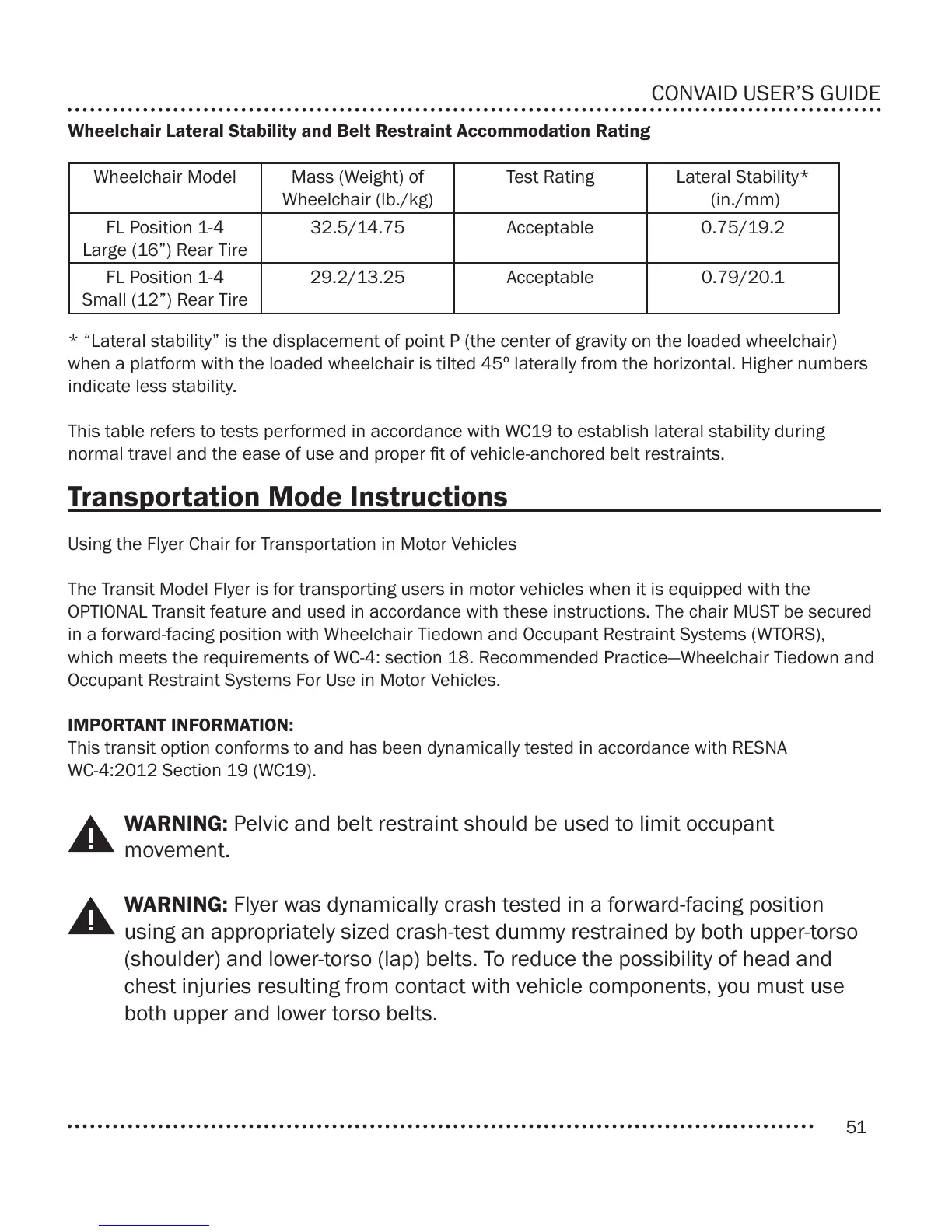
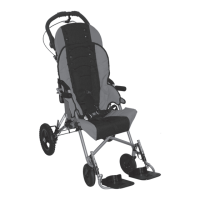
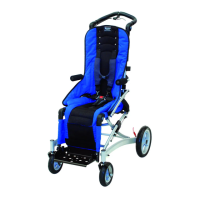
Using the Flyer Chair for Transportation in Motor Vehicles
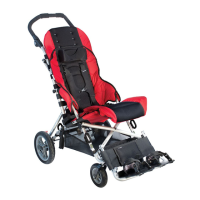
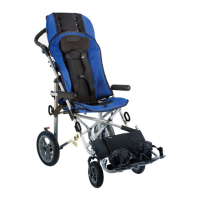
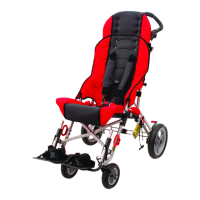
The Transit Model Flyer is for transporting users in motor vehicles when it is equipped with the
OPTIONAL Transit feature and used in accordance with these instructions. The chair MUST be secured
in a forward-facing position with Wheelchair Tiedown and Occupant Restraint Systems (WTORS),
which meets the requirements of WC-4: section 18. Recommended Practice—Wheelchair Tiedown and
Occupant Restraint Systems For Use in Motor Vehicles.
IMPORTANT INFORMATION:
This transit option conforms to and has been dynamically tested in accordance with RESNA
WC-4:2012 Section 19 (WC19).
WARNING: Pelvic and belt restraint should be used to limit occupant
movement.
WARNING: Flyer was dynamically crash tested in a forward-facing position
using an appropriately sized crash-test dummy restrained by both upper-torso
(shoulder) and lower-torso (lap) belts. To reduce the possibility of head and
chest injuries resulting from contact with vehicle components, you must use
both upper and lower torso belts.
Wheelchair Lateral Stability and Belt Restraint Accommodation Rating
Wheelchair Model Mass (Weight) of
Wheelchair (lb./kg)
Test Rating Lateral Stability*
(in./mm)
FL Position 1-4
Large (16”) Rear Tire
32.5/14.75 Acceptable 0.75/19.2
FL Position 1-4
Small (12”) Rear Tire
29.2/13.25 Acceptable 0.79/20.1
* “Lateral stability” is the displacement of point P (the center of gravity on the loaded wheelchair)
when a platform with the loaded wheelchair is tilted 45º laterally from the horizontal. Higher numbers
indicate less stability.
This table refers to tests performed in accordance with WC19 to establish lateral stability during
normal travel and the ease of use and proper t of vehicle-anchored belt restraints.


 To Next Page