63
CONVAID USER’S GUIDE
• Do not use chair after occupant has outgrown it.
• Do not ignore minor malfunctions and maintain the chair in good operating condition. Monitor the
wheel locks (brakes) regularly (see maintenance chart).
• If and whenever possible and feasible, the rider should transfer out of the chair and into an
approved vehicle seat and passenger restraint system.
• However, if a transfer is not possible, use only WC19 compliant chairs in a moving vehicle which
contain the Wheelchair Tiedown and Occupant Restraint Systems (WTORS).
• Work with your health care advisor to learn safe transfer and lifting methods.
• Have someone help you until you know how to do a safe transfer of the dependent on your own.
• Move your user’s mobility device as close as you can to the location you are transferring to.
• Rotate the front casters until they point forward.
• Engage the parking brake before you transfer. This keeps the device stable during the transfer.
• When transferring a user into the device, make sure they are placed as far back onto the seat
surface as possible. This will reduce the risk that the mobility device will tip over and/or move
away from you.
IMPORTANT INFORMATION
WARNING: If the user reaches or leans it will affect the center of balance of the
mobility device. This may cause a fall or tip over.
WARNING: NEVER allow the user to reach or lean if they must rise up off
their seat for the action.
WARNING: If the user must reach, move the mobility device as close as you
can to the object, and rotate the front casters until they are as far forward as
possible. Note: To do this: Move your mobility device past the object that the
user might want to reach, then back up alongside it.
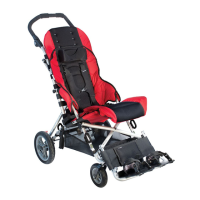
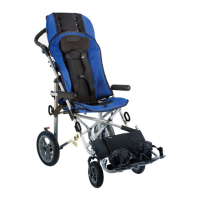
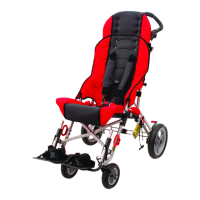
Fig. 142 Fig. 143 Fig. 144


 To Next Page