4.12 Multi-drop operation
Using multi‑drop mode, a single computer system can communicate with more than one
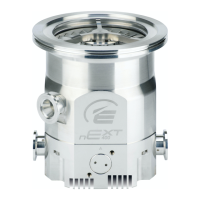
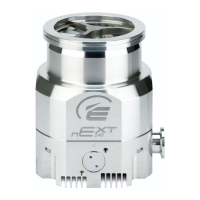
nEXT pump. Each nEXT pump must be assigned its own individual address before it can
be fitted into a multi‑drop system. The command to assign the multi‑drop address is
sent in standard nEXT message format (as detailed in Assigning a multi-drop address on
page 87).
The message protocol in multi‑drop mode is marginally different to that described for
serial messages in single pump systems. The main differences in multi‑drop message
protocol are detailed below:
▪ All multi‑drop commands, queries or replies have the first character .
▪ All commands, queries and replies contain a header containing the address of the
node that the message is to, followed by the address of the node that the message
is from.
▪ There is a delimiter character: (colon) which separates the two multi‑drop
addresses in the header.
▪ The remainder of the message (command, query or reply) follows the same
protocol as already described for single pump systems.
▪ The wild card address 99 is very useful and means 'any' node.
After a nEXT pump has been assigned a multi‑drop address, it will ignore any messages
in the format for single pumps. An individual nEXT pump will remain silent and ignore all
command messages unless the multi‑drop address matches its own address.
Figure 19 Conceptual diagram for multi-drop connection using RS232 interface
1. RS232 interface on control
equipment
2. Buffer
3. nEXT pump 4. OR gate



 To Next Page