TM3215, 3245, 3265
34
DIFFERENTIAL LOCK PEDAL
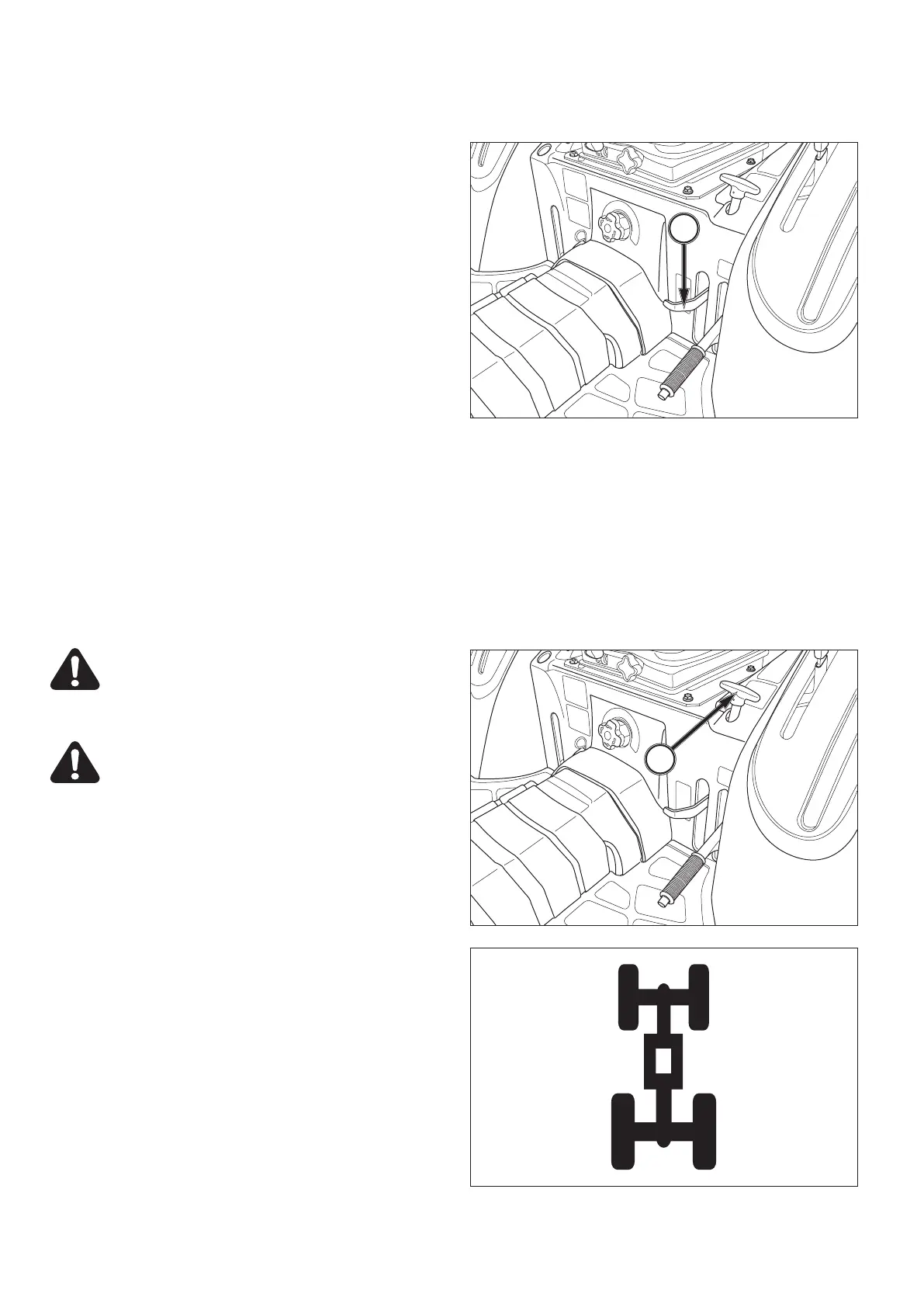
FIG. 53: When the differential lock pedal, 1, is lowered,
both sides of the rear axle are locked together to ensure
traction to both rear wheels. This is especially important
when operating in loose soil or slippery conditions. (Me-
chanical type)
In case of hydrostatic transmission type, depress for-
ward pedal slowly.
To engage the differential lock - Depress the clutch ped-
al and allow all rear wheel movement to stop. Depress
the lock pedal and slowly engage the clutch.
IMPORTANT: DO NOT engage with rear wheel(s)
spinning as severe damage may result.
To disengage the differential lock - Depress the clutch
pedal and release the differential lock pedal. The lock
pedal should normally return to the “off” position.
NOTE: On occasion, differential lock pedal may re-
main engaged due to torque difference exerted
by rear wheels. In this case, tap brake pedals
alternately while tractor is slowly in motion to
release the pedal.
Differential lock pedal is locating at left side
(Hydrostatic transmission type) and right side
(Mechanical transmission type).
CAUTION: When differential lock is en-
gaged, steering ability of tractor will be
greatly reduced. Disengage before attempt-
ing a turn.
CAUTION: DO NOT use differential lock on
hard surfaces or when transporting the trac-
tor.
4-WHEEL DRIVE SHIFT LEVER
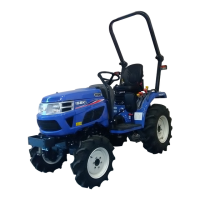
FIG. 54: The 4-wheel drive shift lever, 1, engages and
disengages the drive for the front axle. With the lever
down, the front axle (4WD) is engaged. With the lever
up, the front axle is disengaged, and power is available
to both front and rear axles.
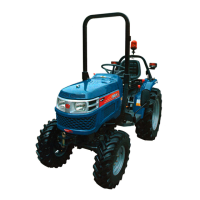
NOTE: 4WD indicator lamp will be illuminated when
pushing down the 4-wheel drive shift lever.
IMPORTANT: Depress main clutch pedal and stop
tractor before engaging or disengaging
4-wheel drive.
When front axle is engaged, ground speed of front tires
is slightly faster than the speed of the rear tires. This is
to assist steering when 4-wheel drive is selected.
For this reason, the front axle must be disengaged when
the tractor is transported or operated on a hard, dry
surface. Failure to do so will result in rapid wear of front
drive tires and possible driveline damage.
1
1
FIG. 53
FIG. 54
FIG. 55



 To Next Page