68
Operation Manual
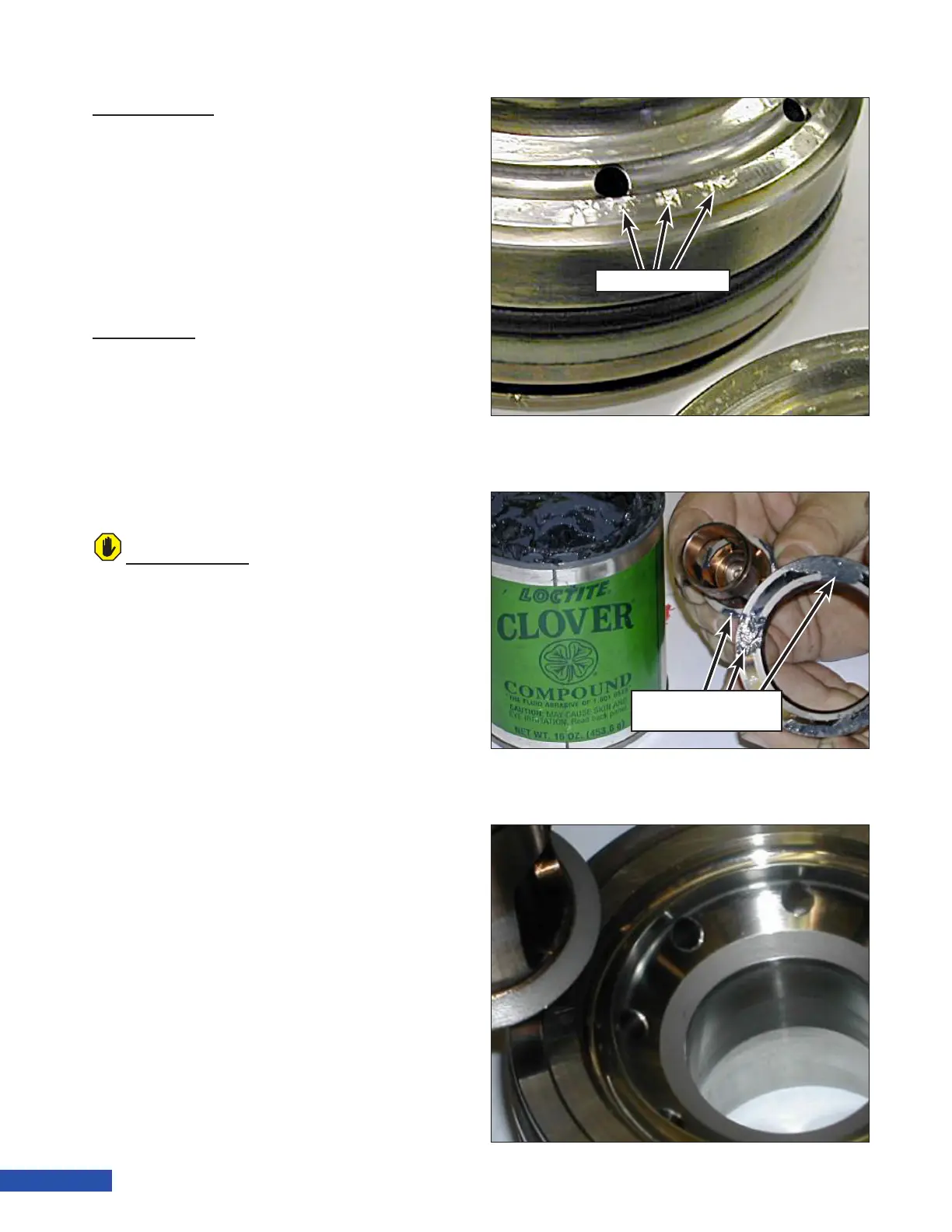
Valve Inspection
1. Inspect all seals and discard as neces-
sary.
2. Inspect the valve components. Discard
excessively pitted or otherwise damaged
components (Figure 128).
3. For valves with minor wear or corrosion,
recondition the valves as outlined in Valve
Lapping.
Valve Lapping
Lapping is a polishing process in which two
surfaces are rubbed together with an
abrasive between them. Lapping the valves
at regular intervals ensures a tight t
between the valves and valve seat for proper
sealing. Regularly lapping the valves allows
the pump to operate efciently and helps
increase valve life.
1. Disassemble the valve.
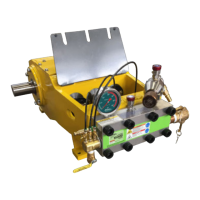
2. Apply lapping compound to the mating
surface on the suction valve (Figure 129).
3. Place the valve into position on the valve
body. Rotate the valve and valve body in
opposite directions with a light pressure
for approximately 30 seconds.
4. Pause lapping momentarily by disengag-
ing surfaces. Rotate the parts in the op-
posite direction approximately 90 degrees.
Do this a few times during lapping. This
will ensure that the lapping compound
distributes evenly along the valve and
valve seat interface.
Repeat for approximately 2-5 minutes,
until an even dull grey circular ring can be
seen without any remaining pits or surface
imperfections.
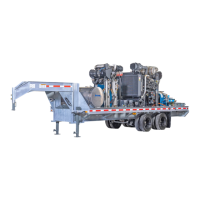
5. Clean off the excess lapping compound
with a clean dry cloth. Inspect the contact
surfaces for uniform, dull gray sealing
rings (Figure 130).
ATTENTION
Use silicon carbide lapping compound, 220 grit
medium ne.
Figure 128: Valve Pitting.
Excessive Pitting
Figure 129: Typical example of lapping compound application.
Lapping Compound on
Valve Seats
Figure 130: Properly Lapped Valve Seats.



 To Next Page