SECTION 1 - SAFETY PRECAUTIONS
1-6 31217162
Tipping Hazards
• Ensure that the ground conditions are adequate to support
the maximum tire load indicated on the tire load decals
located on the chassis adjacent to each wheel. Do not travel
on unsupported surfaces.
• The user must be familiar with the operating surface before
driving. Do not exceed the allowable sideslope and grade
while driving
• Do not elevate platform or drive with platform elevated while
on or near a sloping, uneven, or soft surface. Ensure machine is
positioned on a
smooth, firm surface within the limits of the
maximum operating slope before elevating platform or driv-
ing with the platform in the elevated position.
• Before driving on floors, bridges, trucks, and other surfaces,
check allowable capacity of the surfaces.
• Never exceed the maximum platform capacity as specified on
the platform. Keep all loads within the confines of the plat-
form, unless authorized by JLG.
• Keep the chassis of the machine a minimum of 0.6 m (2 ft)
from holes, bumps, drop-offs, obstructions, debris, concealed
holes, and other potential hazards at the ground level.
• Do not operate the machine when wind conditions exceed
specifications shown in Section 6.3 or as shown on the capac-
ity placard on the platform billboard. Factors affecting wind
speed are; platform elevation, surrounding structures, local
weather events, and approaching storms.
• Wind speed can be significantly greater at height than at
ground level.
• Wind speed can change rapidly. Always consider approaching
weather events, the time required to lower the platform, and
methods to monitor current and potential wind conditions.
• Do not cover or increase surface area of the platform or the
load. Do not carry large surface area items in the platform
when operating outdoors. The addition of such items
increases the exposed wind area of the machine. Increased
areas exposed to wind will decrease stability.
• Do not increase the platform size with unauthorized modifica-
tions, deck extensions, or attachments.
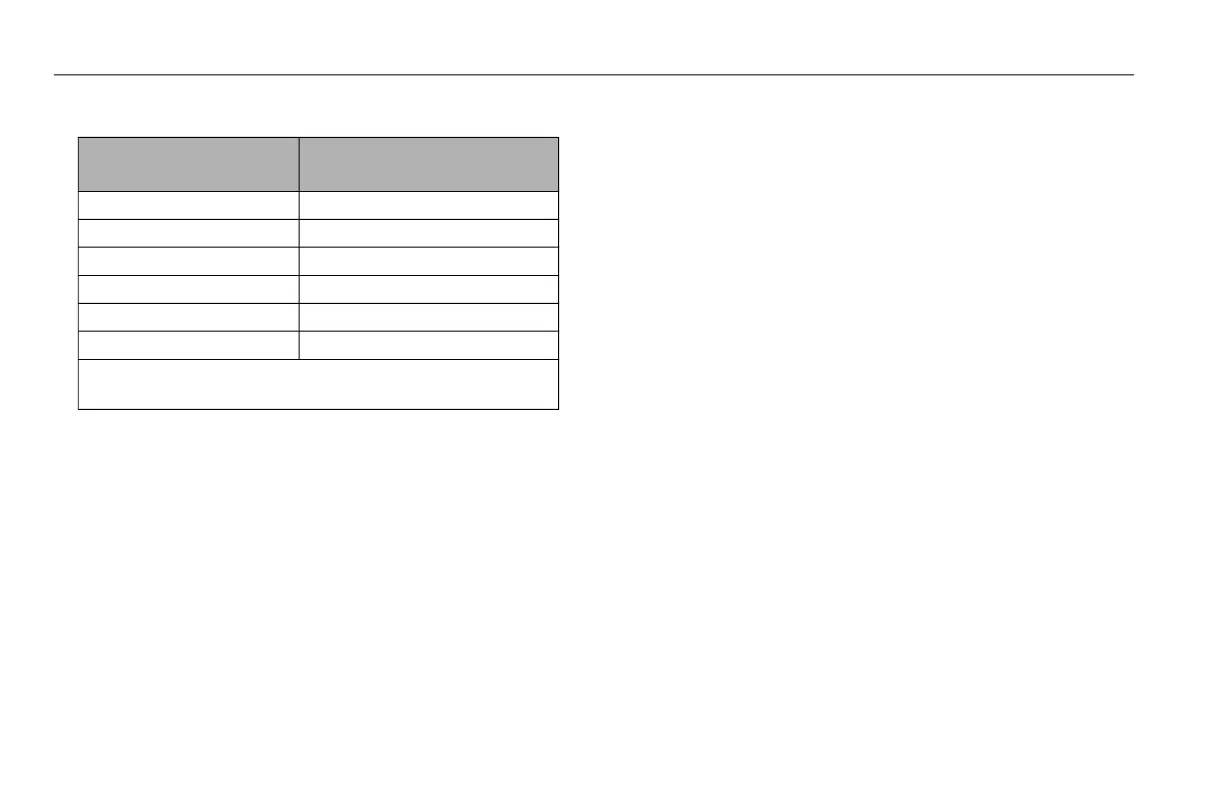
Table 1-1. Minimum Approach Distances (M.A.D.)
Voltage Range
(Phase to Phase)
MINIMUM APPROACH DISTANCE
in Feet (Meters)
0 to 50KV 10 (3)
Over 50 KV to 200 KV 15 (5)
Over 200KV to 350 KV 20 (6)
Over 350 KV to 500 KV 25 (8)
Over 500 KV to 750 KV 35 (11)
Over 750 KV to 1000 KV 45 (14)
NOTE: This requirement shall apply except where employer, local or governmental
regulations are more stringent.



 To Next Page