2.2 Selecting the Right Paper
2-5
2.2.2 Paper properties
Smoothness
Paper should have a smooth, uncoated surface. Paper with a rough or sandy surface can
cause gaps in printouts. However, paper with surfaces that are too smooth may cause
multiple-sheet feeding and fogging problems (fogging is a gray background effect).
Basis weights
Basis weight is the weight in pounds of 500 sheets (called a ream) of paper cut to the basic
size, which is 17
×
22 inches. The number of sheets in a ream and the basic paper size
relating to basis weights depend on paper classifications. In the metric system, the basis
weight is expressed in grams per square meter (g/m²).
Paper that is too heavy or too light may cause misfeeds, jams, and premature wear of printer
parts. Uneven weight of paper can cause multiple-sheet feeding, print defects, poor toner
fusing, blurring, and other print quality problems. The recommended basis weights for this
printer are between 64 and 90 g/m² (17 to 24 lb per ream).
When you use paper with basis weights of 135 to 220 g/m², use the face-up tray for
high-quality printouts.
Paper Weight Equivalence Table
The paper weight is listed with expression in U.S. bond weight (lb) and European metric
(g/m²). The shaded point indicates the standard weight.
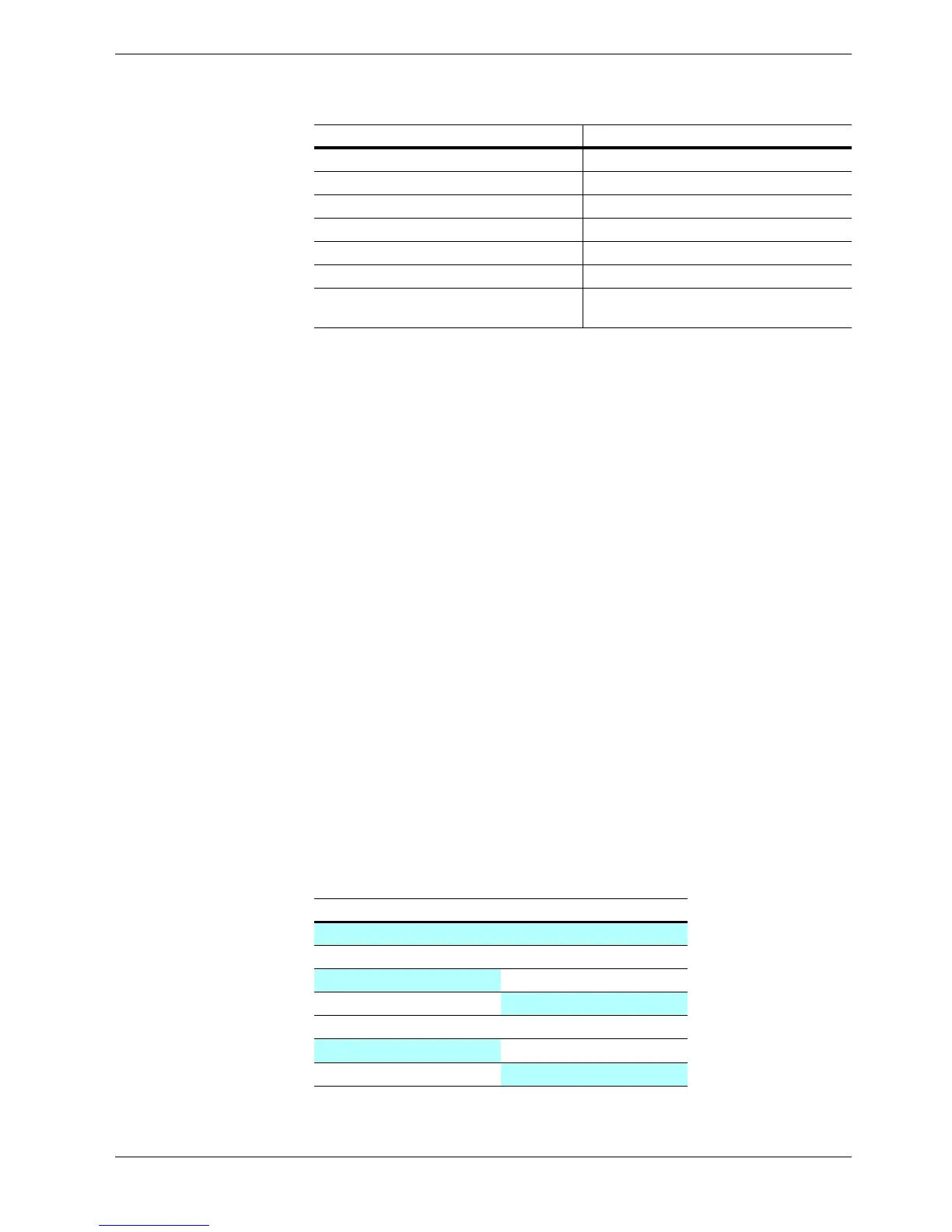
Ledger Wide 310 × 440 mm ISO C4 229 × 324 mm
Statement 5-1/2 × 8-1/2 inches Oficio II 8-1/2 × 13 inches
Hagaki 100 × 148 mm 8K 273 × 394 mm
Oufuku Hagaki 148 × 200 mm 16K 197 × 273 mm
Youkei 2 114 × 162 mm
Youkei 4 105 × 235 mm
Custom 80 × 148 mm to
310 × 458 mm
MP tray Size Cassette or MP tray Size
Table 2-3 (Continued)
U. S. Bond Weight (lb) Europe Metric Weight (g/m²)
16 60
17 64
20 75
21
80
22 81
24 90
27
100
Table 2-4


 To Next Page