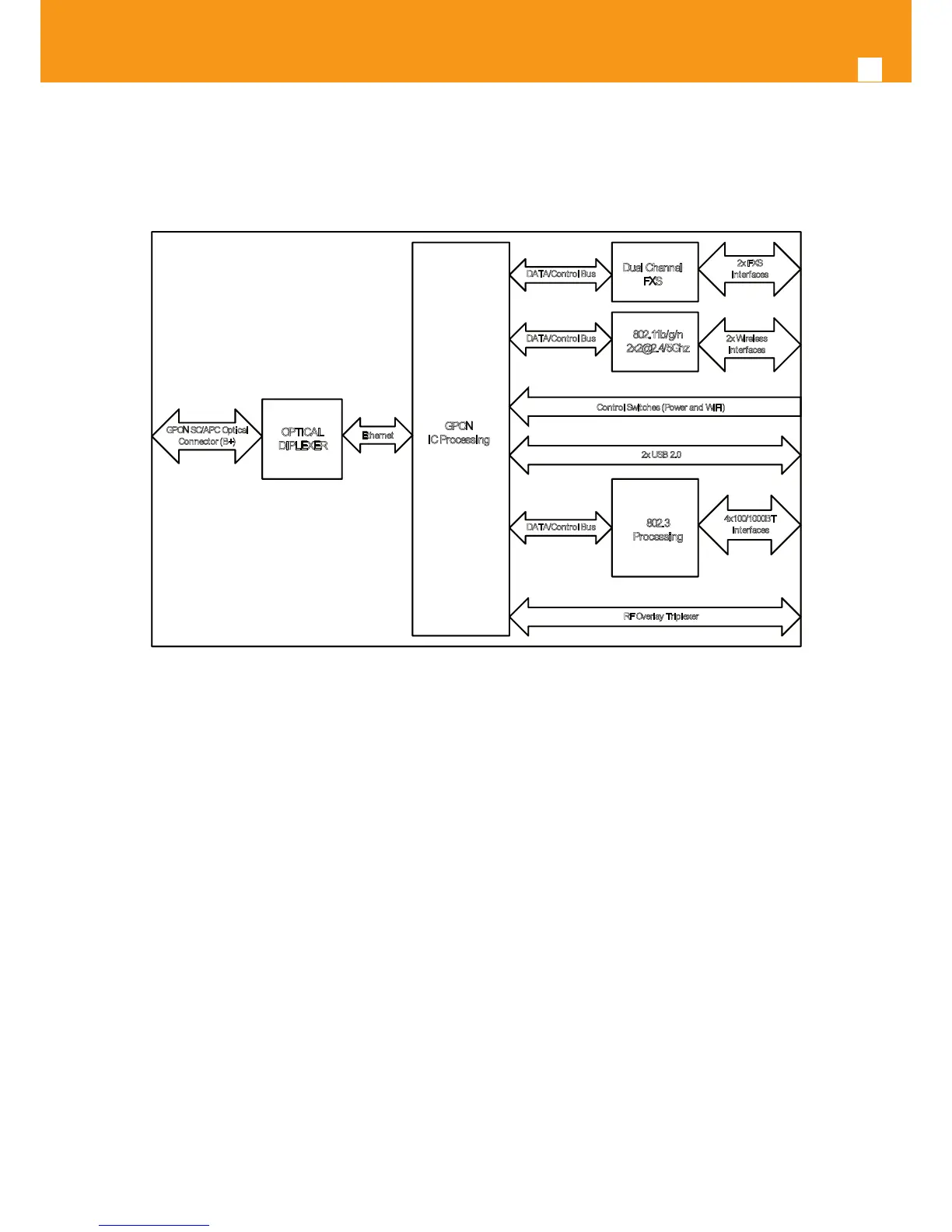
Figure 2-8: Refs. 769501-769502 system architecture
The GPON IC Processing unit is the core component inside Refs. 769501-769502. It is responsible for the interconnection and processing between
client side interfacing and optical GPON Uplink interface.
2.7 GPON
The Refs. 769501-769502 GPON layer as G.984.x uses 1490nm downstream and 1310nm upstream of the optical wavelengh, with 2,488Gbps
downstream and 1,244Gbps upstream by using an SC/APC protected optical connector.
2.8 Ethernet
Ethernet is the wired LAN technology and is revised in the IEEE 802.3 standard. At the OSI reference system, Ethernet is at the Data Link layer. In
the Refs. 769501-769502 equipment both WAN and LAN type of physical interfaces are 10/100/1000BASE-T AUTO-MIX Ethernet type over RJ45
conectors.
2.9 IPTV
For the IPTV service the Refs. 769501-769502 also behaves like a Layer 2 bridging device. For this service, the Refs. 769501-769502 has a specic
GEM PORT for Multicast. This same GEM PORT is requested by the user in order to have access to the various IPTV channels. Every time a user
requests a new channel, the Refs. 769501-769502 will send to OLT a IGMP packet requesting that Channel. The Refs. 769501-769502 is also respon-
sible for implementing the snooping for the channels that the user requests.
2.10 RF Video Overlay
Broadcast video signal travels over ber from the central oce in the 1550nm wavelength and is demuxed and converted in the Refs. 769501-
769502 to a F conector (75 Ohm) RF Overlay interface to deliver a RF TV signal going from 47MHz up to 862MHz bandwidth. Refs. 769501-769502
may also implement multiple analog ltering on the RF Interface in order to turn the open RF Spectrum in a group of sliced TV channel packs that
are remotely enabled from the NMS.


 To Next Page