4210 Flow Meter
Section 4 Optional Equipment
4-12
4.10 The pH Probe The pH probe measures the acidity or alkalinity of an aqueous
solution by determining the relative quantity of dissociated
hydrogen ions, H
+
(actually H
3
O
+
) in the solution. A larger
quantity of H
+
ions indicates acidity, while a smaller quantity of
H
+
ions indicates alkalinity. The H in pH stands for Hydrogen
and the p stands for power.
The normal scale for pH runs from 0 to 14, with 0 being most
acidic and 14 being most alkaline. Distilled water at 25° C is
neutral at 7, based on the fact that the dissociation constant
(number of H
+
and OH
-
[hydroxyl] ions present) for pure water
at that temperature is 10
-7
.
The dissociation constant is a number indicating the degree of
ionic dissociation for a substance after it is dissolved in water.
Dissociation constants vary widely for substances, depending on
the nature of the substance’s chemical bonds. Ionic salts tend to
have higher constants.
Each number on the pH scale between 7 and 0 equals a tenfold
increase in H
+
ion. Each number between 7 and 14 equals a
tenfold decrease of H
+
ion. pH measurements of wastewater are
commonly made to monitor the effect of treatment chemicals
added to raise or lower the pH.
Water that has been used for various industrial processes may
deviate substantially from 7. Chemicals are often added to the
water to bring the pH close to that of neutral water, which is 7.
For example, if the effluent has a concentration of heavy metal
ions, they must be removed before discharge. Raising the pH of
solutions containing transition-metal ions will cause them to pre-
cipitate, where they can easily be removed as sludge. The
resultant solution will be high in pH and will require acid to neu-
tralize it.
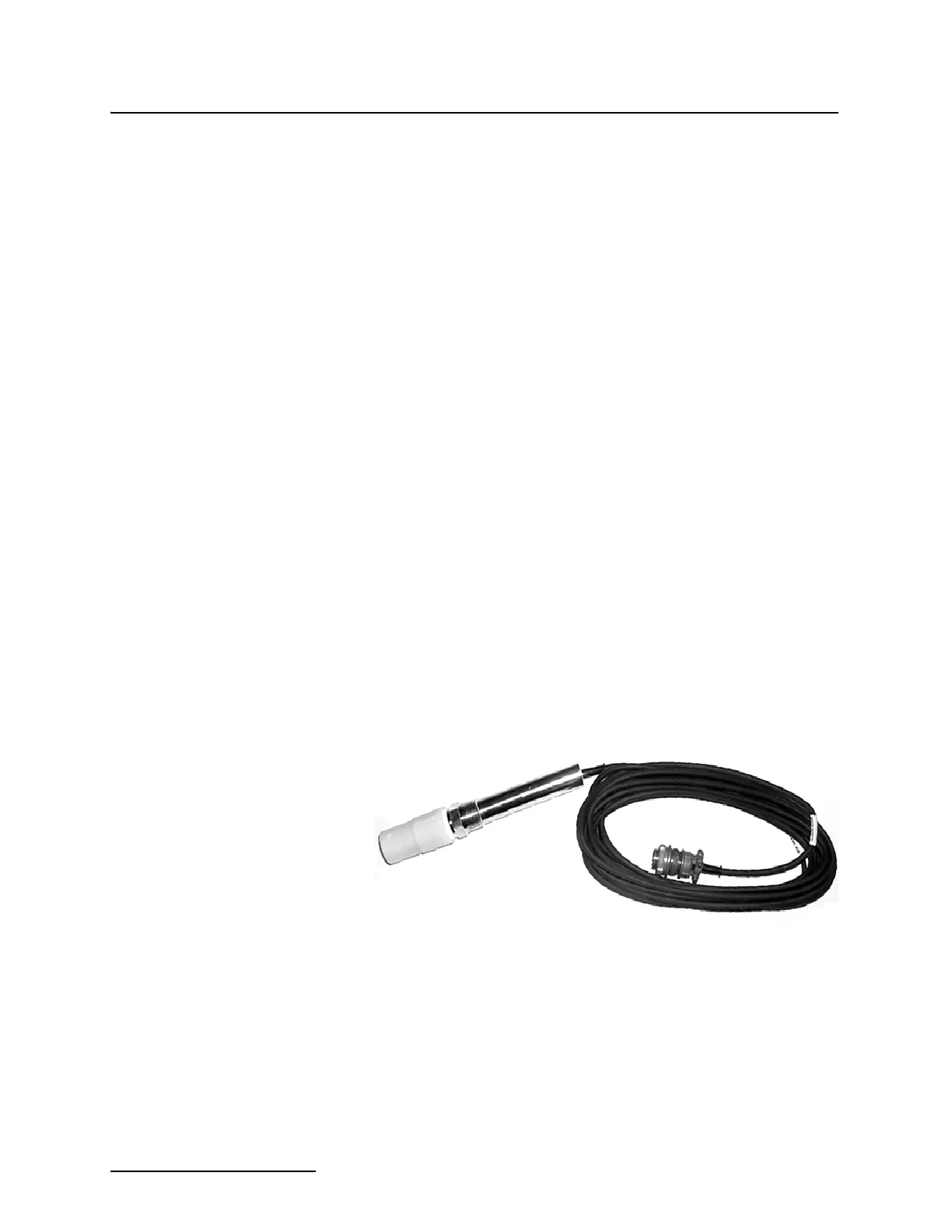
Figure 4-4 pH Probe (With Protective Cap On)
4.10.1 How the pH Probe
Works
The pH probe is a combination of two electrochemical half-cells.
Together they provide a low-voltage signal that corresponds to
the hydrogen-ion concentration of a solution. If you look at the
pH probe, you will see a glass bulb on one end. This is called the
glass mono electrode.
The glass is of special composition, sensitive only to hydrogen
ions, and is exposed to the solution to be measured. The specific
sensitivity to the hydrogen ion prevents interference from other


 To Next Page