4210 Flow Meter
Section 3 Installation
3-11
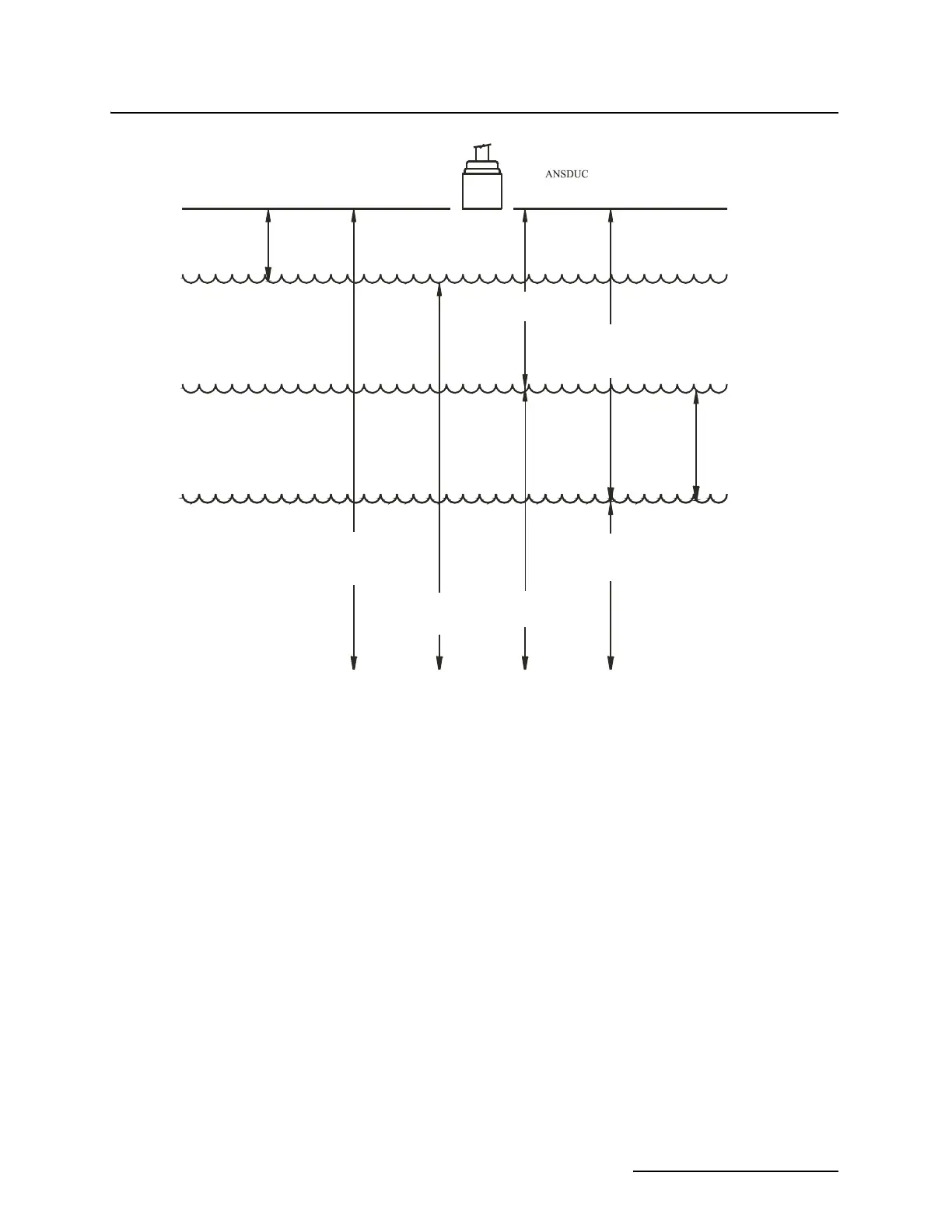
Figure 3-3 Ultrasonic Level Sensor Dead Band
DEAD BAND: The non-usable distance (2 feet) between the
level sensor and the liquid surface. This requires that at maxi-
mum level the liquid surface be at least 2 feet from the level
sensor.
DISTANCE “D” is the distance from the level sensor to the liq-
uid surface. For the 4210, distance can be from 2 to 12 feet.
“Dc” is the distance from the level sensor to the liquid surface
at the time that the level “H” was calibrated.
“Dz” is the distance from the level sensor to the zero level “Hz”
of the primary device. Note that errors caused by the velocity of
sound will be multiplied by the distance from the level sensor to
the liquid surface “D.” As the distance “D” increases, the possi-
bility of error increases.
LEVEL: The depth of water above the primary device’s zero
level “Hz” point. May also be referred to as HEAD. In the man-
ual, “level” and “head” are interchangeable terms. The 4210
calculates level using the following formula: H = Dz – D.
“Hc” is the level when the flow meter was calibrated.
“H” is the level at the present time. “H” is shown above “Hc.”
However, if the level had dropped after calibration, “H” would
be below “Hc.”
LEVEL CHANGE “Hcng”: is the change in level over time.
The maximum change in level that the 4210 can detect is 10
feet. Hcng = H – Hc.
MAXIMUM HEAD “Hmax”: is the maximum level that the
flow meter can measure. For the 4210, this is limited to 21 feet
or less. Since the largest level change the 4210 can sense is 10
feet, the unit will have a minimum level of greater than 0 feet if
the maximum level is greater than 10 feet.
TEMPERATURE: Since temperature significantly affects the
velocity of sound, temperature measurement is made by the
4210 Flow Meter to provide compensation.
CALIBRATION TEMPERATURE “Tc”: is the temperature
at the level sensor at the time the system is calibrated. (Not
shown on drawing.)
TEMPERATURE CHANGE “Tcng”: is the change in the
temperature after the head was calibrated. Tcng = T – Tc.
Note that the temperature is used to calculate the velocity of
sound in air, which is used to calculate the distance “D” to the
liquid surface, and the head. Any error in the temperature “T”
causes an error that is proportional to the distance “D.”
UL
TRASONIC
TR
ER
D
CN G
H
=H-H C
H
H
D
H
C
MA
"H "
"H"
"H
"
"D"
DISTANCE
" C
"
DISTANCE
AT
CALIBRATION
" Z"
DISTANCE
TO
ZERO
"DB"
DEADBAND
2 FT.
MIN
Z
ZERO
LEVEL
" C"
LEVEL AT
CALIBRATION
"H"
LEVEL
" MAX"
MAXIMUM
LEVEL


 To Next Page