4-2
150832-639 Operator Manual Operating Instructions
6. Engage floor locks by pressing hand control LOCK button (see
S
ECTION 4.2.1, HAND CONTROL FUNCTION BUTTONS DESCRIPTION).
7. Before placing patient on table, ensure patient does not exceed
maximum patient weight limit (patient in normal orientation) of
1100 lb (499 kg) without patient posturing or tabletop slide
(except raise/lower); 1000 lb (454 kg) full patient posturing
(except tabletop slide); 600 lb (272 kg) full patient posturing
(including tabletop slide). Assuming patient weight does not
exceed table weight capacity, transfer or position patient and
ensure patient is properly restrained (refer to S
ECTION 2.3,
P
ATIENT SAFETY STRAPS, in this manual).
NOTE: A patient grounding post/potential equalization terminal (male
connector, DIN 42801) is provided. The mating female connector for
patient grounding is not furnished by STERIS.
WARNING – PERSONAL
INJURY AND/OR EQUIPMENT
DAMAGE HAZARD: Placing a
patient whose weight exceeds
maximum patient weight limit
(patient in normal orientation)
of 1100 lb (499 kg) without
patient posturing or tabletop
slide (except raise/lower),
1000 lb (454 kg) with patient
posturing (except tabletop
slide), or 600 lb (272 kg) with
full patient posturing
(including tabletop slide)
could result in injury to the
patient and the operating
room staff, and serious
equipment damage.
WARNING – TIPPING
HAZARD:
• Do not place patient on the
table unless floor locks are
engaged.
• Do not use this table for
patients exceeding the
maximum patient weight
(patient in normal
orientation) of 1100 lb
(499 kg) without patient
posturing or tabletop slide
(except raise / lower),
1000 lb (454 kg) with patient
posturing (except tabletop
slide), or 600 lb (272 kg)
with full patient posturing
(including tabletop slide).
• Center tabletop over
column before applying
chest compressions.
WARNING – PERSONAL
INJURY HAZARD: The Table
Leg Section is designed to
support the patient legs. Do
not put upper body weight on
the Leg Section.
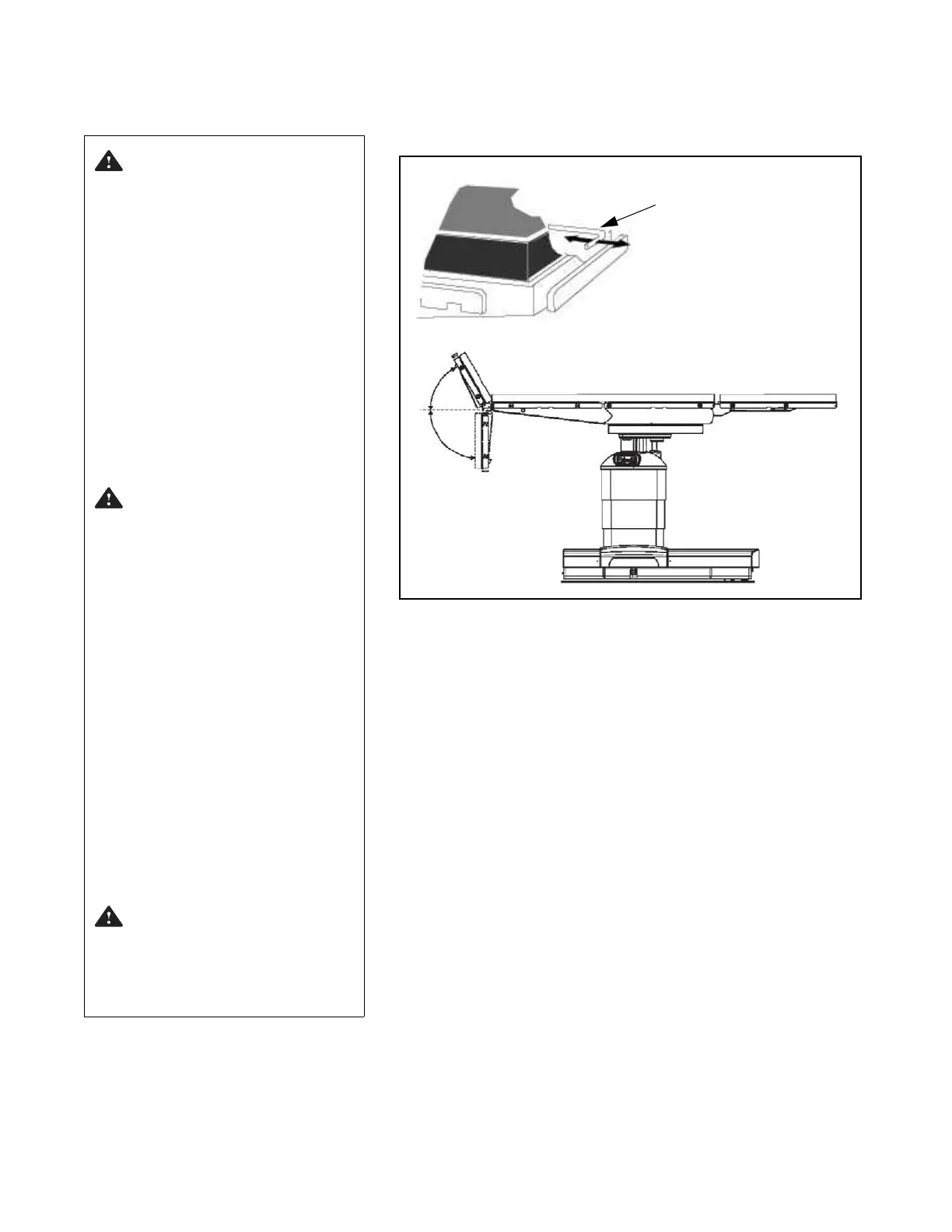
Figure 4-2. Head Section Operation (Typical)




 To Next Page