Recommended Maintenance
CVHH-SVX001A-EN 97
1. Follow all instructions in “ Waterbox Removal and
Installation,” p. 98
to remove waterbox covers.
2. Work a round nylon or brass bristled brush (attached to
a rod) in and out of each of the condenser water tubes
to loosen the sludge.
3. Thoroughly flush the condenser water tubes with clean
w ater.
Scale deposits are best removed by chemical means.
Be sure to consult any qualified chemical house in the
area (one familiar with the local water supply’s
chemical mineral content) for a recommended
cleaning solution suitable for the job.
Note: A standard condenser water circuit is
composed solely of copper, cast iron, and steel.
Important: All of the materials used in the external
circulation system, the quantity of the
solution, the duration of the cleaning
period, and any required safety precautions
should be approved by the company
furnishing the materials or performing the
cleaning. Remember, however, that
whenever the chemical tube cleaning
method is used, it must be followed up with
mechanical tube cleaning, flushing and
inspection.
Evaporator
Since the evaporator is typically part of a closed circuit, it
may not accumulate appreciable amounts of scale or
sludge. Normally, cleaning every three years is sufficient.
However, periodic inspection and cleaning is
recommended on open evaporator systems, such as air
washers.
Waterbox and Tubesheet Protective Coatings
Trane recommends that coated waterboxes/tubesheets—
regardless of the type of protective coating included—be
taken out of service within the first one to three months of
operation for inspection. Any voids or defects identified
upon inspection must be repaired. If the water quality is
known to be highly supportive of corrosion (i.e., sea water,
etc.), inspect the coating system at one month; if the water
quality is known to be relatively benign (i.e., normal
treated and clean condenser water), inspect the coating
system within three months. Only when initial inspections
show no problems are present should subsequent
maintenance intervals be increased.
Sacrificial Anodes
The replacement schedule for the optional zinc or
magnesium anodes can vary greatly with the
aggressiveness of the water that is in the system. Some
sites could require anode replacement every two to three
months while other sites may require anode replacement
every two to three years. Trane recommends that anode
inspection for wear sometime within the first several
months of the anodes being placed into service. If the
observed loss of anode material is small, then the interval
between subsequent inspections can be lengthened.
Replace the anode and/or shorten the inspection interval if
the anode has lost 50 percent or more of its original mass.
If anode depletion occurs very quickly, consult a water
treatment specialist to determine if the anode material
selected is correct for the application.
As needed after draining the waterbox, use a 63.5 mm (2-1/
2 in.) wrench to remove/install Trane-supplied waterbox
anodes.
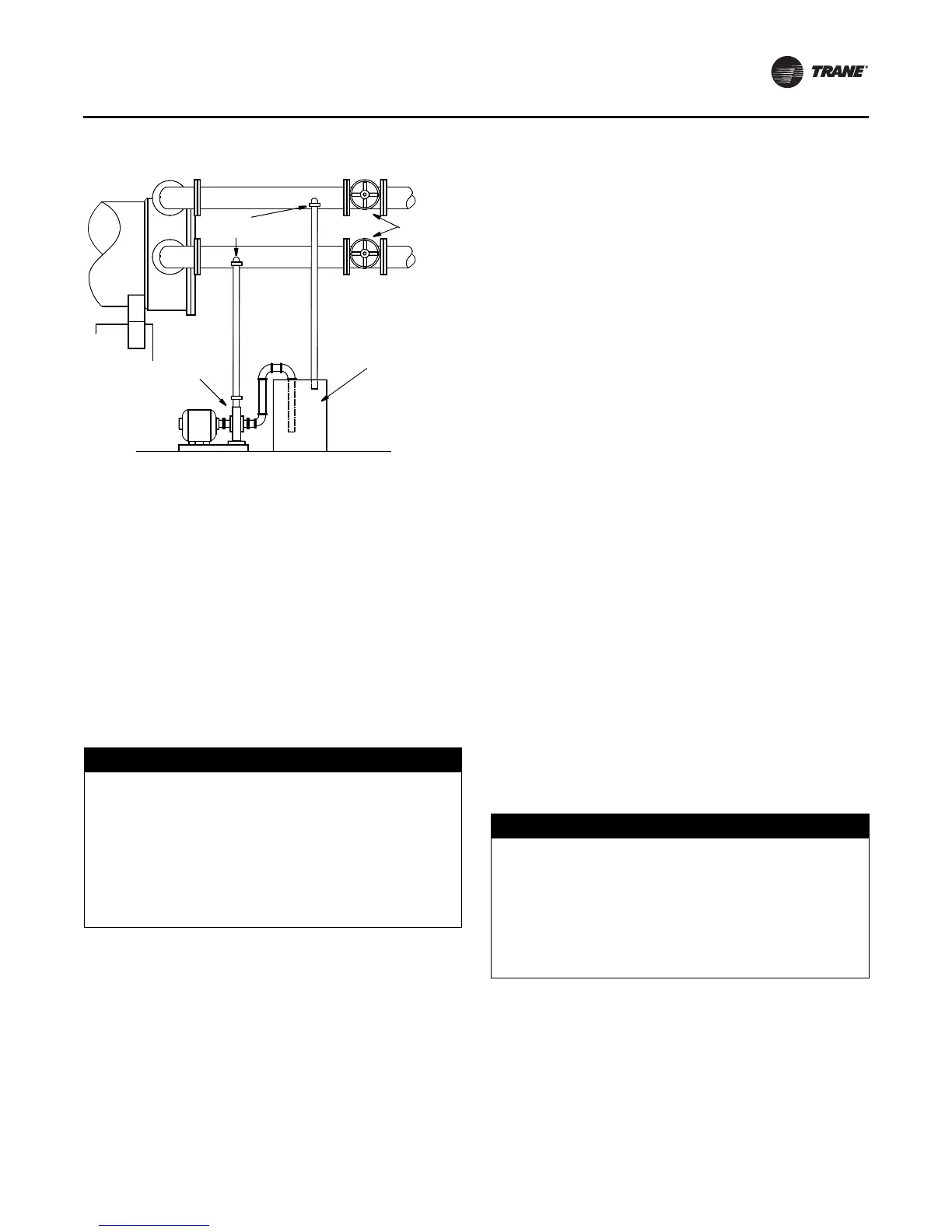
Figure 53. Typical chemical cleaning setup
NOTICE:
Unit Corrosion Damage!
Failure to follow proper procedures when using
corrosive chemicals to clean water side of unit could
result in corrosion damage to the unit and tubes. It is
recommended that the services of a qualified chemical
cleaning firm be used. Proper personal protective
equipment as recommended by the chemical
manufacturer should be used. Refer to the chemicals
MSDS sheet for proper safety procedures.
pipe
connections
circulator
pump
cleaning
solution
shutoff
valves
NOTICE:
Equipment Damage!
Failure to follow instructions could result in equipment
damage. Do NOT use Teflon-based tape or paste on
anode; a small amount of liquid sealant (Loctite
®
242 or
equivalent) may be applied to prevent leakage when
installing an anode, but do not apply so much sealant
that it prevents the necessary electrical connection
between the anode and the waterbox.


 To Next Page