Start-up and Shut-down
CVHH-SVX001A-EN 87
Air Removal
If no air is in the purge tank, the refrigerant returning to the
purge condensing unit compressor suction has a high
superheat (heat added past the point of evaporation),
because of the heat removed from the condensing chiller
refrigerant vapor in the purge tank. As air accumulates in
the purge tank, it displaces the chiller refrigerant vapor and
decreases the amount of coil surface that is exposed to the
vapor. Less heat is removed from the vapor, and the
available superheat at the purge condensing unit
compressor suction consequently falls. When the purge
refrigerant compressor suction temperature falls far
enough to reach the pump-out initiate value, the purge
control activates the solenoids and the pump-out
compressor to remove the accumulated air.
As air is removed from the purge tank, the inside coil is
once again exposed to chiller refrigerant vapor. As more
chiller refrigerant vapor condenses on the coil, more heat
is removed from the vapor, and the purge refrigerant
compressor suction temperature rises. The purge control
cycles or stops the pump-out process in response to the
compressor suction temperature.
Pump-out Operating Sequence
As the purge control system detects the presence of non-
condensables in the purge tank, it initiates a pump-out
cycle. The pump-out solenoid valve, the exhaust solenoid
valve, and the pump-out compressor cycle On and Off as
needed to remove the non-condensables.
Non-Condensable Pump-out Algorithm
The controller uses the non-condensable pump-out
algorithm to determine when to initiate, control, and
terminate a pump-out cycle to remove air from the purge
tank. The purge refrigerant compressor suction
temperature sensor serves as the feedback to this control
algorithm. The compressor suction temperature pump-
out initiate and pump-out terminate values are calculated
by the purge control and are a function of the purge liquid
temperature.
The refrigerant used in the purge refrigeration circuit,
R-404A, is metered into the purge tank coil by a constant-
pressure regulating expansion valve. The valve
automatically controls the purge suction pressure at a
constant value of 351.6 kPaa (51 psia). Therefore,
refrigerant is metered into the coil as a two-phase
refrigerant m ixture at a constant saturation temperature of
approximately -18.9°C (-2°F).
The cold coil creates a low vapor pressure near its outside
surface, which draws refrigerant from the chiller
condenser into the purge tank and to the coil surface.
When the refrigerant gets close enough to the coil surface,
it condenses into a liquid. Since liquid refrigerant requires
less volume than it does in a gaseous form, additional
refrigerant enters the purge tank to fill the void and, in turn,
condenses. This mechanism is known as a thermal siphon.
As the chiller refrigerant condenses, heat is transferred
into the purge coil through the latent heat of condensation.
The compressor suction temperature sensor m onitors this
heat transfer.
Air and other gases carried with the chiller refrigerant
vapor do not condense on the coil. Instead, they
accumulate in the purge tank, effectively acting to insulate
and inhibit the flow of refrigerant to the cold coil surface.
The thermal siphon rate is reduced and, consequently, so
is the amount of heat transfer. A corresponding reduction
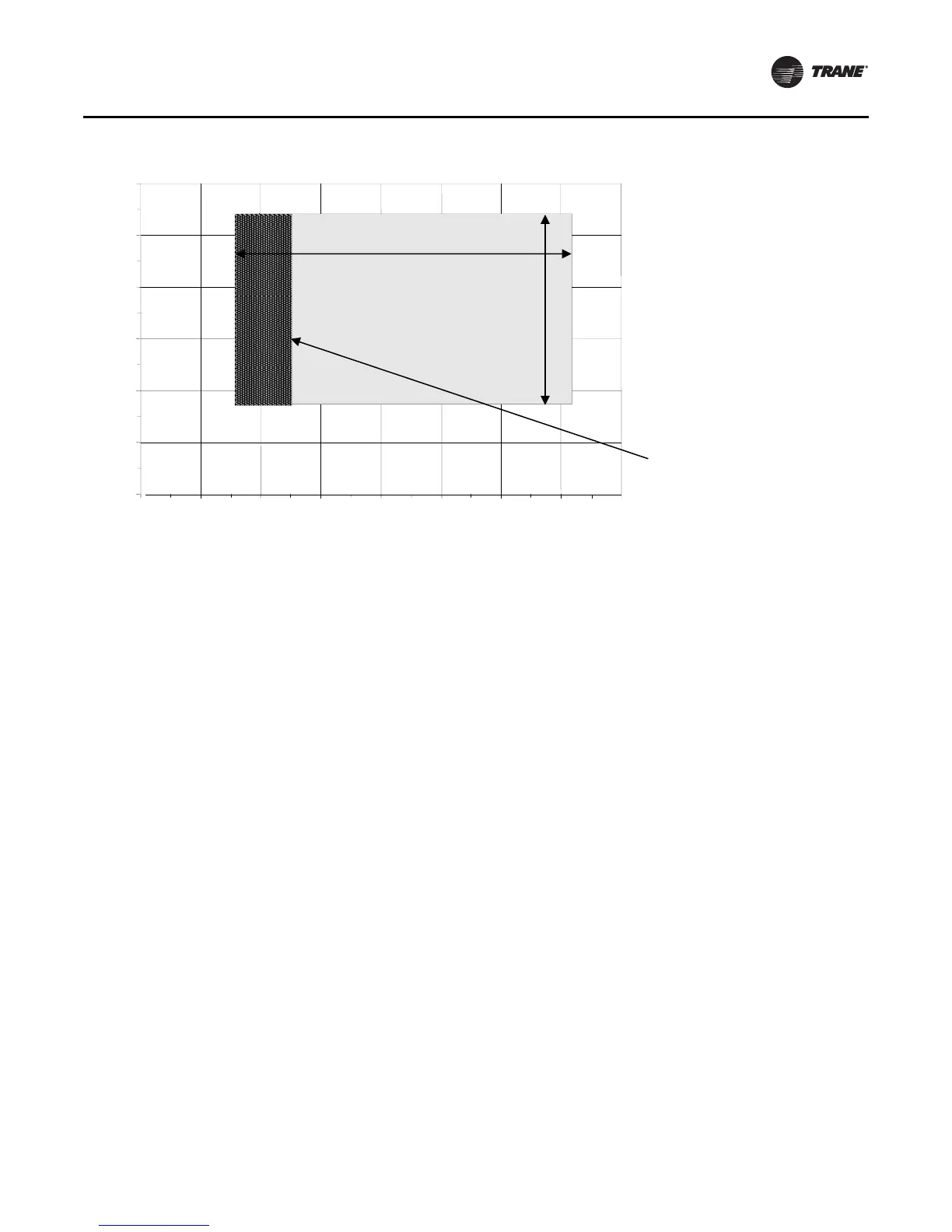
Figure 50. EarthWise purge operating limits
Typical operation
Operating envelope extremes
Ambient temperature (º F)
Chiller condenser saturation temperature (º F)
0 20 40 60 80 100 120 140 150
120
100
80
60
40
20
0
Pump-out can be
inhibited in this
range according t o
control settings.


 To Next Page