110 Troubleshooting
2. Compare current system operation with the way it operated before the problem
started. To help you identify normal operating conditions:
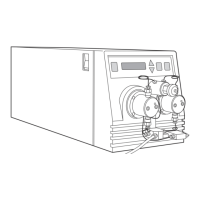
• Record a map of your 600E system (tubing and electrical connections).
• Keep a daily log.
• Run test chromatograms regularly.
This step points out the importance of keeping track of system parameters and the
results of your chromatography during normal operation. Troubleshooting is easier
if you know the typical conditions when the system is operating correctly.
3. Identify in the order listed below the symptom that varies from normal system
operation:
• System pressure (high, low, erratic)
• Baseline (fluid-path-related or detector-electronics-related)
• Changes in peak retention time (incorrect or changing over time)
• Loss of peak resolution
• Abnormal peak shape (smaller than expected, broad, tailing, and so on)
• Incorrect qualitative/quantitative results
4. For each isolated symptom, identify a list of suspected causes. For example, sudden
high system backpressure could be due to:
• Blocked column frit
• Changed or incorrect flow rate
• Blocked tubing
• Defective pump pressure transducer
5. Run the performance tests for each chromatographic instrument to quickly
determine if a problem exists with the instrument.
Where to Go for Help
If you determine that there is a problem related to the 600E system, refer to:
• Section 6.2, Troubleshooting the 600E Pump
• Section 6.3, Troubleshooting the 600E System
• Section 6.4, Troubleshooting the Rheodyne 7725i Manual Injector
Note: If your 600E system includes the optional Rheodyne 7725i manual injector, you will
find additional troubleshooting information in the Rheodyne 7725i Manual Injector
Installation and Maintenance Guide.



 To Next Page