3.2.1 Pediatric Use: Summary
3.2.1.1 Introduction
Special care should be exercised when imaging patients outside the typical adult size
range, especially smaller pediatric patients whose size does not overlap the adult size
range (e.g., patients less than 50kg (110lb) in weight and 150cm (59") in height,
measurements, which approximately correspond to that of an average 12 years old or a
5th percentile U.S. adult female).
3.2.1.2 References for pediatric dose optimization
The following resources provide information about pediatric imaging radiation safety
and/or radiation safety for extra-oral dental panoramic and CBCT (aka CBVT) X-ray
devices:
1. HTTPS://WWW.FDA.GOV/RADIATION-
EMITTINGPRODUCTS/RADIATIONEMITTINGPRODUCTSANDPROCEDURES/
MEDICALIMAGING/UCM298899.HTM
2. www.imagegently.org
3. HTTPS://WWW.FDA.GOV/RADIATION-
EMITTINGPRODUCTS/RADIATIONEMITTINGPRODUCTSANDPROCEDURES/
MEDICALIMAGING/MEDICALX-RAYS/UCM315011.HTM
4. https://www.iaea.org/resources/rpop/resources/training-material#11
5. HTTPS://WWW.IAEA.ORG/RESOURCES/RPOP/RESOURCES/TRAINING-
MATERIAL#3
3.2.1.3 Device specific features and instructions
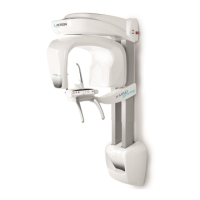
X-MIND prime provides as standard with all units, the following specific design features
and instructions that enable safer use of our device with pediatric patients:
For the panoramic exams (panoramic, half-panoramic and low
dose panoramic programs) Child selection also corresponds to a
reduced trajectory exam time giving a further 10% of dose
reduction.
A function to run the exam in test mode without X-ray to check
the behaviour of the patient during the exam and reduce the
possibility of exam interruption and retake




 To Next Page