8
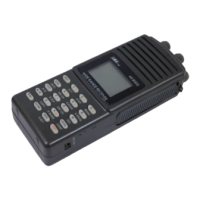
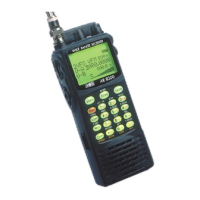
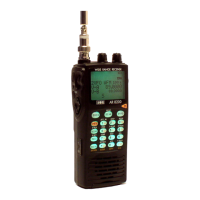
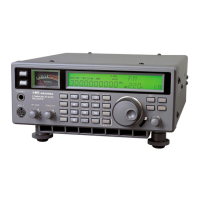
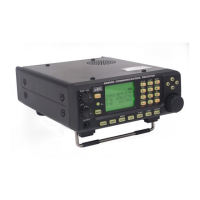
Front cabinet
1. Rotary volume control plus isolate power On/Off
2. Rotary squelch control
3. Phones socket 3.5mm (mono or stereo may be used)
4. Standby key, for daily use as On/Off
5. Key Lock key
6. Monitor key
7. Function key
8. Clear / option key
9. LCD (Liquid Crystal Display)
10. Main keyboard (ten keys plus decimal and enter)
11. Arrow keys (frequency change and menu manipulation)
12. Main rotary dial (frequency change and menu manipulation)
Section 1-5
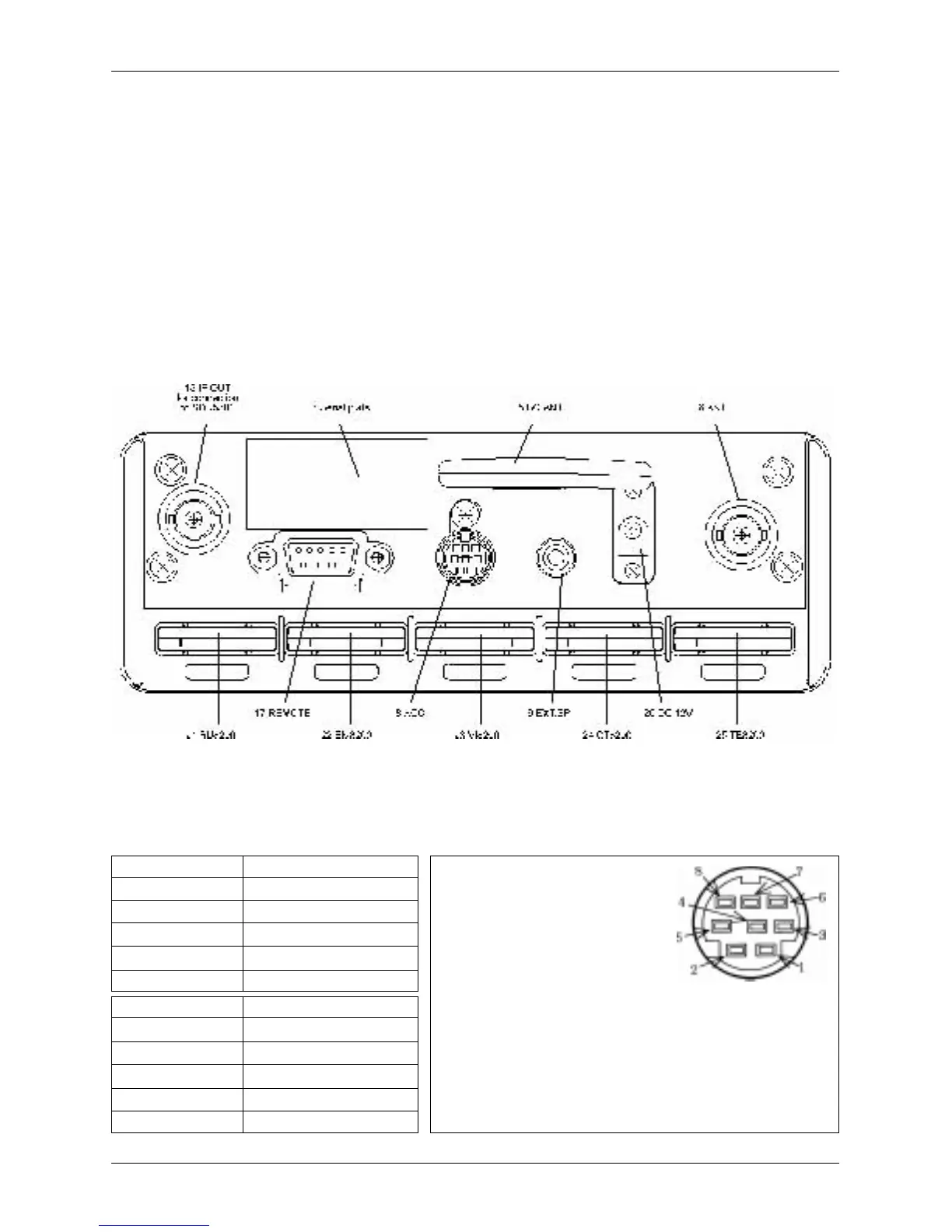
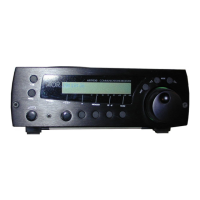
Rear cabinet
13. IF output (10.7MHz) for connection to the SDU5500
Spectrum Display Unit (requires internal activation in a workshop)
14. Serial number plate
15. BC ANT, medium wave bar aerial connection
16. ANT BNC aerial socket (all frequencies)
17. REMOTE RS232 socket (9-pin D-type)
18. ACC socket, 8-pin mini-DIN, tape record etc
19. EXT.SP speaker socket 3.5mm mono 8 OHMS
20. DC 12V d.c. input nominal 12V @ 1A (centre positive)
21. RU8200 socket for record / playback slot card
22. EM8200 socket for external memory slot card
23. VI8200 socket for analogue voice inverter slot card
24. CT8200 socket for CTCSS slot card
25. TE8200 socket for audio tone eliminator slot card
RS232 connection requirements:
The REMOTE RS232 socket (17 above) is designed for connection directly to an RS232 serial port of a
computer such as a PC. No interface is required, just a standard RS232 lead... avoid nul-modem leads
as they are not suitable. Connections for a PC are as follows:
AR8600 PC 9 way RS232
22
33
5 5 GROUND
77
88
AR8600 PC 25 way RS232
23
32
5 7 GROUND
74
85
ACC connections
1 12V d.c. output max
current 30mA
2 Detector output (without audio
filtering). 180mV RMS @
100k OHMS or greater
3 N/C
4 & 5 Tape motor switching contact for low voltage 12V d.c.,
max current 350mA with insulating voltage of 40V
Switch on impedance is 1.2 OHMS
6 High level audio output 15mV RMS @ 10k OHMS
7 Low level audio output 0.7mV @ 10k OHMS
8 Ground


 To Next Page