xviii Preface
Potential for Radio and Television
Interference
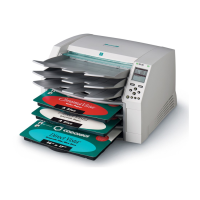
The Horizon imager generates and uses radio frequency energy,
and if not installed and used properly, that is, in strict accordance
with the manufacturer’s instructions, may cause interference to
radio and television reception. It has been type tested and found to
comply with Class B emission limits for a computing device in
accordance with the specifications in Subpart J of Part 15 of FCC
Rules, which are designed to provide reasonable protection against
such interference when operating in a commercial environment.
Operation of the equipment in a residential area is likely to cause
interference, in which case the user, at his own expense, will be
required to take whatever measures may be appropriate to correct
the interference. If your imager does cause interference to radio or
television reception, you are encouraged to try to correct the
interference by one or more of the following measures:
•
Reorient the receiving antenna
•
Relocate the imager with respect to the receiver
If necessary, you should consult Codonics technical support or an
experienced radio/television technician for additional suggestions.
You may find the following booklet prepared by the Federal
Communications Commission helpful:
How to Identify and Resolve
Radio-TV Interference Problems
. This booklet is available from the
U.S. Government Printing Office, Washington, D.C. 20402, Stock
No. 004-000-00345-4.
Le présent appareil numérique n’émet pas de bruits radio-
électriques dépassant les limites applicables aux appareils
numériques de la Classe B prescrites dans le Réglement sur le
brouillage radioélectrique édicté par le ministére des
Communications du Canada.


 To Next Page