DM16E1 / DM4E1 Operation and Installation Manual - 204-4001-19 57
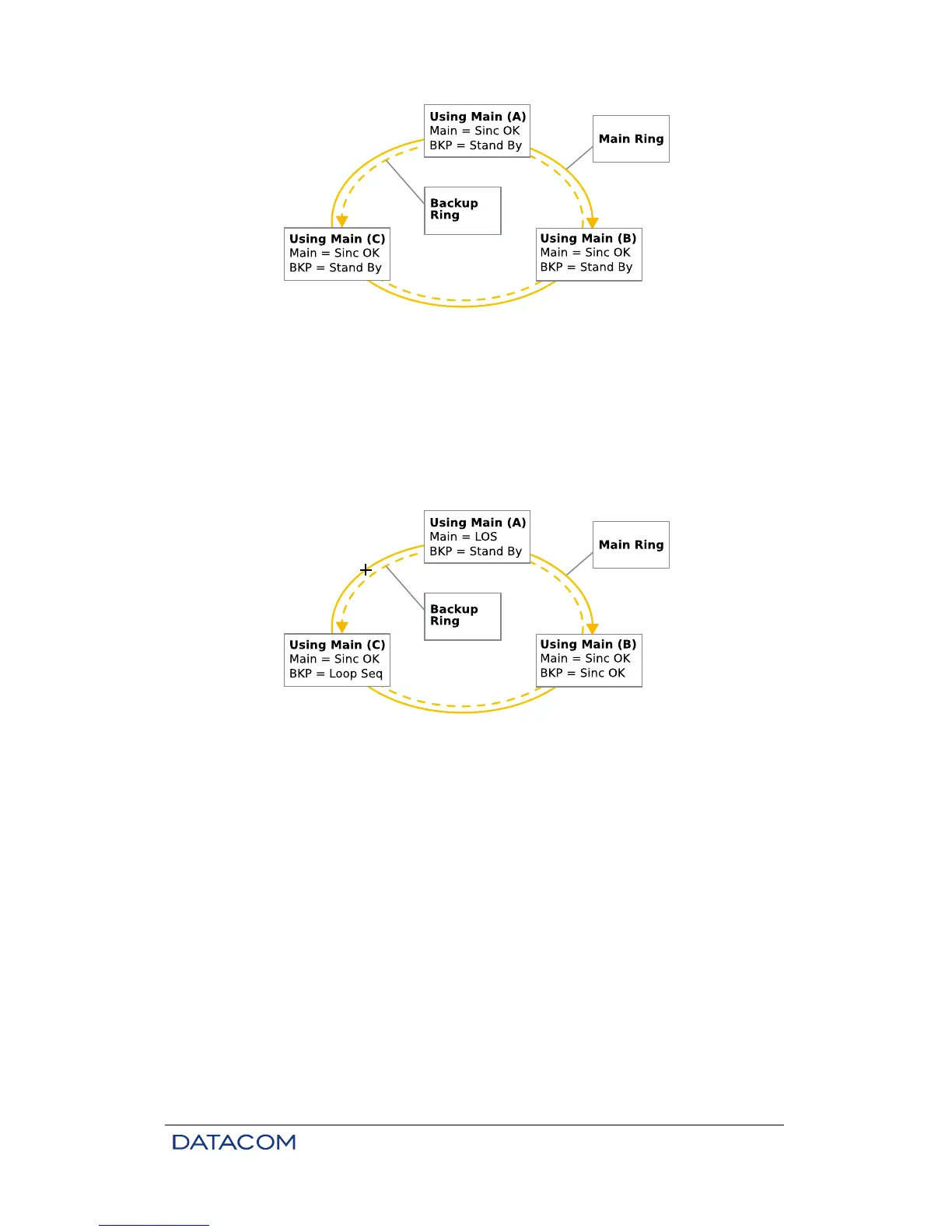
Figure 19. A DM16E1/DM4E1 loopback operating with no failures
Figure 19 exemplifies a link rupture at the main ring.
Equipment A: The Main card goes into LOS status; requests backup (Loop Seq) from equipment C. Waits
for data to be received from equipment B, on the Backup card.
Equipment C: Receives request for backup (Loop Seq) from equipment A via Backup card. Reroutes data
to the Backup card, towards equipment B.
Equipment B: Receives data for equipment A via the Backup card. Sends data to equipment A,
reestablishing the data link that had been broken.
Figure 20. Failure in the main loopback
• Remote Alarm: Alarm indication on remote equipment, according to G.742 and G.751. This alarm
signal should not be mistaken for the equipment alarm logic output; this field responds only to alarm
recommendations associated with the multiplexing/demultiplexing process. ALARM indicates the
presence of alarm in the remote device, according to G.751.
• E2 Channel n Link: Status of E2 channels within the E3 frame.
− Sync. OK: Synchronization in E2 channels.
− No Frame Sync: Loss of frame synchronization in E2 channel.
6.10. Tests
A test activation option is available in the local aggregate ports. Whenever an LAL or an LDL test is
running in the aggregate interface, the management link is broken, and contact with the equipment being
tested is lost.
The screen below shows test configuration via terminal on the aggregate interface:



 To Next Page