Redwood Global Ltd - ST6D42
Operator and Maintenance Manual
Chapter 5: Maintenance
5.6 AFTERTREATMENT SYSTEM
5.6.1 DIESEL PARTICULATE FILTER (DPF)
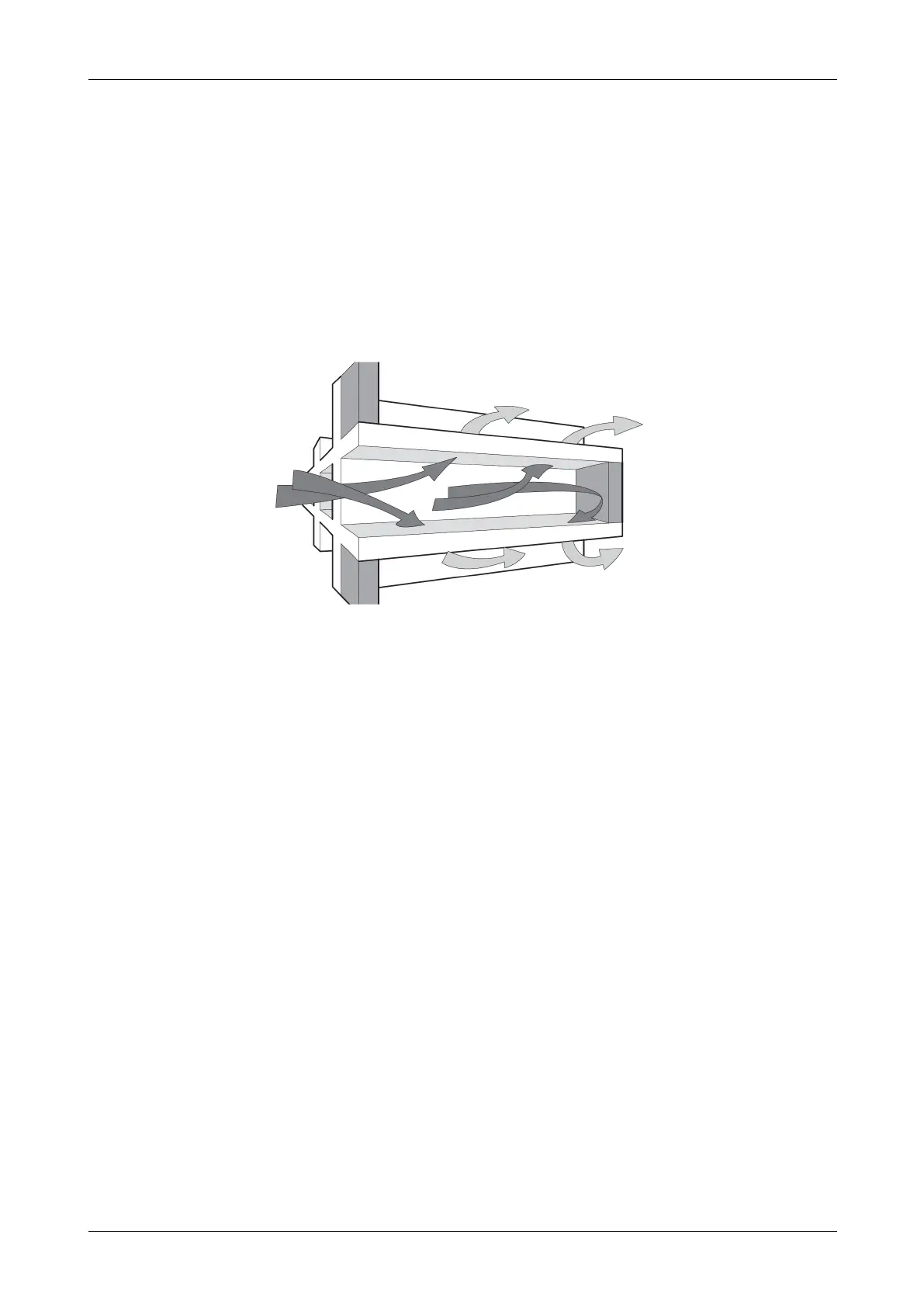
The DPF (Diesel Particulate Filter) system serves to prevent particulate matter (PM) in
emissions from being discharged into the air and consists of a DPF body, one exhaust
gas temperature sensors, and one differential pressure sensor. The DPF is composed of a
porous wall capable of filtering out particulate matter. As exhaust gas pass through the
DPF to the SCR system. Following this, PM collected from the DPF is eliminated using a
suitable regeneration method.
Figure 47 - DPF (Diesel particulate filter)
5.6.2 DPF REGENERATION
The DPF serves to filter out soot and ash, a contaminant found in the emissions of Diesel
engines. An excessive build-up of soot in the DPF leads to issues such as a drop in engine
power due to increased back pressure in the engine, making it crucial to perform
regeneration in order to eliminate PM in the DPF. The ECU (Engine Control
Unit)calculates the amount of exhaust smoke using the signal from the DPF differential
sensor, the vehicle operating time, the vehicle fuel consumption and engine simulation
data. Once this amount reaches a certain level, the ECU performs DPF regeneration.
Regeneration involves burning accumulated PM, it increases the temperature
upstream of the DOC (Diesel Observation Catalyst) by means of adjustment to the
engine throttle and near post injection, as well as raising the DPF temperature higher
than the exhaust combustion temperature (580
o
or higher) to burn exhaust gas by
means of far post injection. After DPF regeneration, only ash remains in the DPF.
12-00-004 v2.1 88



 To Next Page