EasyManua.ls Logo

Procom DVS-21 - User Manual

Procom DVS-21
131 pages
Print Icon
To Next Page IconTo Next Page
Loading...
User Guide
DVS-21
02/2018 • V.1.0 L. Wolle
1/131
© 2017 ProCom
®
Professional Communication & Service GmbH • Technical changes reserved.
Content
1 Glossary..................................................................................................................................................... 6
2 Program environment ................................................................................................................................ 7
2.1 User rights and application instances ................................................................................................. 7
2.2 Registered file types ........................................................................................................................... 7
2.3 Menus ................................................................................................................................................. 7
2.4 Toolbar ............................................................................................................................................... 9
3 Settings .................................................................................................................................................... 10
3.1 ICS Settings ...................................................................................................................................... 10
Sprache/Language ............................................................................................................................. 10
Default ................................................................................................................................................ 10
Color ................................................................................................................................................... 10
Templates ........................................................................................................................................... 10
3.2 RS232 settings ................................................................................................................................. 11
4 Online functions ....................................................................................................................................... 11
4.1 Monitor .............................................................................................................................................. 12
Filter function ...................................................................................................................................... 13
4.2 Data transfer ..................................................................................................................................... 13
Userbank List ...................................................................................................................................... 14
Connection via modem ....................................................................................................................... 14
4.3 Firmware (DVS update) .................................................................................................................... 15
4.4 System time ...................................................................................................................................... 16
4.5 Simulation ......................................................................................................................................... 16
5 Tools ........................................................................................................................................................ 17
5.1 Database editor ................................................................................................................................ 17
5.2 Offline monitor .................................................................................................................................. 17
5.3 Compare files ................................................................................................................................... 18
5.4 Speech storage ................................................................................................................................ 19
5.5 Documentation ................................................................................................................................. 21
5.6 Plausibility ......................................................................................................................................... 22
5.7 Dependencies ................................................................................................................................... 23
6 System programming .............................................................................................................................. 24
6.1 System data ...................................................................................................................................... 24
General data ....................................................................................................................................... 24
System clock....................................................................................................................................... 25

Table of Contents

Question and Answer IconNeed help?

Do you have a question about the Procom DVS-21 and is the answer not in the manual?

Summary

Program environment

2.1 User rights and application instances

Details on installation requirements and user account access.

2.2 Registered file types

Information on system and monitor file extensions.

2.3 Menus

Description of available menu items and their functions.

2.4 Toolbar

Overview of toolbar icons for online functions and system configuration.

Settings

3.1 ICS Settings

Configuration for language, default values, color, and templates.

3.2 RS232 settings

Configuration of the serial interface for system communication.

Online functions

4.1 Monitor

Tool for checking system functions and monitoring telegram traffic.

4.2 Data transfer

Module for reading and writing system programs.

4.3 Firmware (DVS update)

Procedure for updating the system CPU firmware.

4.4 System time

Module for updating the system time.

4.5 Simulation

Module for simulating telegrams and testing modules.

Tools

5.1 Database editor

Direct access to system program data for editing.

5.2 Offline monitor

External program for evaluating recorded telegram traffic.

5.3 Compare files

Dialog for investigating differences between two configuration files.

5.4 Speech storage

Recording, playback, and testing of the DSS1 module.

5.5 Documentation

Preview and printing of system documentation.

5.6 Plausibility

Dialog for listing possible logic errors in the configuration.

5.7 Dependencies

Internal table of previously archived version dependencies.

System programming

6.1 System data

Configuration of general system data and identification.

6.2 Call stations and devices

Overview and configuration of system call stations and devices.

6.3 Module rack

Overview and configuration of modules within the system rack.

6.4 Program overview

Overview and management of system programs.

Modules

7.1 SV01

System supply and CPU monitoring module with fault message.

7.2 CPU

Processor unit with display and control elements.

7.3 LCPU

Processor module for special tasks and LAN connectivity.

7.4 4 FTR

Carrier module for up to 4 module attachments.

7.5 4 NSA

Audio Frequency interface module for four ProCom stations.

7.6 4 DAV

Interface module for up to four ProCom stations with two-wire technology.

7.7 4 NPA

Audio Frequency interface module for four stations with V- and C- point.

7.8 4 ZZA

Connection module for two exchanges, analog, 4-fold.

7.9 DSS1

Digital memory for storing audio recordings and detection of frequencies.

7.10 4 IOS

Interface module with floating in- and outputs.

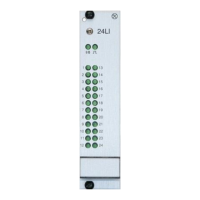
7.11 24 LI

Line module for driving 24 lines with surge protection.

7.12 MI4 M

Module for data acquisition and processing of 4 measuring microphones.

7.13 USE1 (RS232)

Interface module with serial RS232 for specific tasks.

7.14 V100

100W digital amplifier for public address and standby operation.

7.15 USE2

Module supporting various modes in analog telephony.

7.16 TG01

Tone generator for Impedance Measurement Module 4LSL.

7.17 4 LSL

Measurement module for loudspeaker line monitoring.

7.18 4 DSS

Module designed to connect UZ-ELA modules for loudspeaker systems.

7.19 4 DAE

Passive module for manual attenuation of 4 loudspeaker lines.

Call stations and devices

8.1 Overview

Introduction to call stations and other devices like measuring microphones.

8.2 ProCom Call stations

Details on various configurations of ProCom call stations.

8.3 Third party-Call stations (Analog)

Connecting and configuring analog call stations from other manufacturers.

8.4 PCS (PC call station)

Connection and setting of PC call stations.

8.5 Measuring mic

Registering a measuring mic for fuse monitoring activation.

8.6 Separate amplifier

Controlling spatially separated analog amplifiers.

Programs for AF-transfer

9.1 Overview

Explanation of parent configuration boxes for AF-programs.

9.2 Alarm lead 2

Program to control DSS1 module for recorded sounds playback.

9.3 Fault report sequence 1

Display and acknowledgment of fault reports on ProCom stations.

9.4 IC Intercom

Program to establish local intercom connections between call stations.

9.5 IC Intercom Door (unilaterally-controlled Intercom)

Program for unilaterally-controlled connections via intercom.

9.6 IC Group

Program for simultaneous connections with multiple call stations.

9.7 Intercom radio 2

Program for switching radio stations with frequency band differentiation.

9.8 Intercom radio monitoring

Program for switching on monitoring for radio or PA loudspeakers.

9.9 AllCall

Program for local, simultaneous speech connections to multiple stations.

9.10 LB connection

Program for LB connections and LB repeater via Module USE2.

9.11 LB forwarder

Program for transmission of LB telegrams in temporary systems.

9.12 PA Public address

Program for local control of an amplifier.

9.13 Public address 2 PA remote;local

Program for remote amplifier control and forwarding.

9.14 AF Switching

Universal program for switching AF and lines.

9.15 USE1 Intercom

Program for switchboard connections via RS485.

9.16 Remote - Intercom

Program for intercom in split systems.

9.17 Remote - Intercom Group

Linking local groups running IC Group program in split systems.

9.18 Remote - AllCall

Simultaneous, single-sided speech connection to multiple stations.

9.19 Remote - Intercom forwarder

Transmission of Remote-Intercom connections in temporary systems.

9.20 ZZ connection

Intercom connection between DVS-21 and analog third party system.

Programs for logic and control

10.1 Flag Input;Output

Programming logical connections with combinable time responses.

10.2 Flag Input;Output 2

Configurable inputs for Flag Input/Output program logic.

10.3 Flag timing

Program for triggering actions at fixed time intervals.

10.4 Impedance measurement

Process control for internal impedance measurement of the V100 amplifier.

10.5 Level control (loud;quiet)

Changing module level via soft function keys on a station.

10.6 Level control (attenuation) (manual;automatic)

Selective attenuation and automatic volume control.

10.7 LB splitter

Program for transmission of LB telegrams via cascaded systems.

10.8 Call number converter

Program for transferring telephone numbers to the USE2 module.

10.9 Contact switch

Switching of lines and basic logic operators between Line and Flag.

10.10 System time

Synchronizing internal clock to an external 24-hour time cycle.

10.11 Line block trigger

Program to counteract problems with line block transmission.

10.12 Special trigger lines

Program to counteract problems with special line transmission.

10.13 Byte Edit (Universal32)

Universal input mask for configuring 32-byte datasets.

Attachment

11.1 SV01

System supply and CPU monitoring module with fault message.

11.2 CPU

Processor unit with display and control elements.

11.3 LCPU

Processor module for special tasks and LAN connectivity.

11.4 4 FTR

Carrier module for up to 4 module attachments.

11.5 4 NSA

Audio Frequency interface module for four ProCom stations.

11.6 4 DAV

Interface module for up to four ProCom stations with two-wire technology.

11.7 4 NPA

Audio Frequency interface module for four stations with V- and C- point.

11.8 4 ZZA

Connection module for two exchanges, analog, 4-fold.

11.9 4 IOS

Interface module with floating in- and outputs.

11.10 24 LI

Line module for driving 24 lines with surge protection.

11.11 MI4 M

Module for data acquisition and processing of 4 measuring microphones.

11.12 USE1 (RS232)

Interface module with serial RS232 for specific tasks.

11.13 V100

100W digital amplifier for public address and standby operation.

11.14 USE2

Module supporting various modes in analog telephony.

11.15 TG01

Tone generator for Impedance Measurement Module 4LSL.

11.16 4 LSL

Measurement module for loudspeaker line monitoring.

11.17 4 DSS

Module designed to connect UZ-ELA modules for loudspeaker systems.

11.18 4 DAE

Passive module for manual attenuation of 4 loudspeaker lines.

11.19 Station Keypads

Diagrams of station keypad layouts for different models.

Summary

Program environment

2.1 User rights and application instances

Details on installation requirements and user account access.

2.2 Registered file types

Information on system and monitor file extensions.

2.3 Menus

Description of available menu items and their functions.

2.4 Toolbar

Overview of toolbar icons for online functions and system configuration.

Settings

3.1 ICS Settings

Configuration for language, default values, color, and templates.

3.2 RS232 settings

Configuration of the serial interface for system communication.

Online functions

4.1 Monitor

Tool for checking system functions and monitoring telegram traffic.

4.2 Data transfer

Module for reading and writing system programs.

4.3 Firmware (DVS update)

Procedure for updating the system CPU firmware.

4.4 System time

Module for updating the system time.

4.5 Simulation

Module for simulating telegrams and testing modules.

Tools

5.1 Database editor

Direct access to system program data for editing.

5.2 Offline monitor

External program for evaluating recorded telegram traffic.

5.3 Compare files

Dialog for investigating differences between two configuration files.

5.4 Speech storage

Recording, playback, and testing of the DSS1 module.

5.5 Documentation

Preview and printing of system documentation.

5.6 Plausibility

Dialog for listing possible logic errors in the configuration.

5.7 Dependencies

Internal table of previously archived version dependencies.

System programming

6.1 System data

Configuration of general system data and identification.

6.2 Call stations and devices

Overview and configuration of system call stations and devices.

6.3 Module rack

Overview and configuration of modules within the system rack.

6.4 Program overview

Overview and management of system programs.

Modules

7.1 SV01

System supply and CPU monitoring module with fault message.

7.2 CPU

Processor unit with display and control elements.

7.3 LCPU

Processor module for special tasks and LAN connectivity.

7.4 4 FTR

Carrier module for up to 4 module attachments.

7.5 4 NSA

Audio Frequency interface module for four ProCom stations.

7.6 4 DAV

Interface module for up to four ProCom stations with two-wire technology.

7.7 4 NPA

Audio Frequency interface module for four stations with V- and C- point.

7.8 4 ZZA

Connection module for two exchanges, analog, 4-fold.

7.9 DSS1

Digital memory for storing audio recordings and detection of frequencies.

7.10 4 IOS

Interface module with floating in- and outputs.

7.11 24 LI

Line module for driving 24 lines with surge protection.

7.12 MI4 M

Module for data acquisition and processing of 4 measuring microphones.

7.13 USE1 (RS232)

Interface module with serial RS232 for specific tasks.

7.14 V100

100W digital amplifier for public address and standby operation.

7.15 USE2

Module supporting various modes in analog telephony.

7.16 TG01

Tone generator for Impedance Measurement Module 4LSL.

7.17 4 LSL

Measurement module for loudspeaker line monitoring.

7.18 4 DSS

Module designed to connect UZ-ELA modules for loudspeaker systems.

7.19 4 DAE

Passive module for manual attenuation of 4 loudspeaker lines.

Call stations and devices

8.1 Overview

Introduction to call stations and other devices like measuring microphones.

8.2 ProCom Call stations

Details on various configurations of ProCom call stations.

8.3 Third party-Call stations (Analog)

Connecting and configuring analog call stations from other manufacturers.

8.4 PCS (PC call station)

Connection and setting of PC call stations.

8.5 Measuring mic

Registering a measuring mic for fuse monitoring activation.

8.6 Separate amplifier

Controlling spatially separated analog amplifiers.

Programs for AF-transfer

9.1 Overview

Explanation of parent configuration boxes for AF-programs.

9.2 Alarm lead 2

Program to control DSS1 module for recorded sounds playback.

9.3 Fault report sequence 1

Display and acknowledgment of fault reports on ProCom stations.

9.4 IC Intercom

Program to establish local intercom connections between call stations.

9.5 IC Intercom Door (unilaterally-controlled Intercom)

Program for unilaterally-controlled connections via intercom.

9.6 IC Group

Program for simultaneous connections with multiple call stations.

9.7 Intercom radio 2

Program for switching radio stations with frequency band differentiation.

9.8 Intercom radio monitoring

Program for switching on monitoring for radio or PA loudspeakers.

9.9 AllCall

Program for local, simultaneous speech connections to multiple stations.

9.10 LB connection

Program for LB connections and LB repeater via Module USE2.

9.11 LB forwarder

Program for transmission of LB telegrams in temporary systems.

9.12 PA Public address

Program for local control of an amplifier.

9.13 Public address 2 PA remote;local

Program for remote amplifier control and forwarding.

9.14 AF Switching

Universal program for switching AF and lines.

9.15 USE1 Intercom

Program for switchboard connections via RS485.

9.16 Remote - Intercom

Program for intercom in split systems.

9.17 Remote - Intercom Group

Linking local groups running IC Group program in split systems.

9.18 Remote - AllCall

Simultaneous, single-sided speech connection to multiple stations.

9.19 Remote - Intercom forwarder

Transmission of Remote-Intercom connections in temporary systems.

9.20 ZZ connection

Intercom connection between DVS-21 and analog third party system.

Programs for logic and control

10.1 Flag Input;Output

Programming logical connections with combinable time responses.

10.2 Flag Input;Output 2

Configurable inputs for Flag Input/Output program logic.

10.3 Flag timing

Program for triggering actions at fixed time intervals.

10.4 Impedance measurement

Process control for internal impedance measurement of the V100 amplifier.

10.5 Level control (loud;quiet)

Changing module level via soft function keys on a station.

10.6 Level control (attenuation) (manual;automatic)

Selective attenuation and automatic volume control.

10.7 LB splitter

Program for transmission of LB telegrams via cascaded systems.

10.8 Call number converter

Program for transferring telephone numbers to the USE2 module.

10.9 Contact switch

Switching of lines and basic logic operators between Line and Flag.

10.10 System time

Synchronizing internal clock to an external 24-hour time cycle.

10.11 Line block trigger

Program to counteract problems with line block transmission.

10.12 Special trigger lines

Program to counteract problems with special line transmission.

10.13 Byte Edit (Universal32)

Universal input mask for configuring 32-byte datasets.

Attachment

11.1 SV01

System supply and CPU monitoring module with fault message.

11.2 CPU

Processor unit with display and control elements.

11.3 LCPU

Processor module for special tasks and LAN connectivity.

11.4 4 FTR

Carrier module for up to 4 module attachments.

11.5 4 NSA

Audio Frequency interface module for four ProCom stations.

11.6 4 DAV

Interface module for up to four ProCom stations with two-wire technology.

11.7 4 NPA

Audio Frequency interface module for four stations with V- and C- point.

11.8 4 ZZA

Connection module for two exchanges, analog, 4-fold.

11.9 4 IOS

Interface module with floating in- and outputs.

11.10 24 LI

Line module for driving 24 lines with surge protection.

11.11 MI4 M

Module for data acquisition and processing of 4 measuring microphones.

11.12 USE1 (RS232)

Interface module with serial RS232 for specific tasks.

11.13 V100

100W digital amplifier for public address and standby operation.

11.14 USE2

Module supporting various modes in analog telephony.

11.15 TG01

Tone generator for Impedance Measurement Module 4LSL.

11.16 4 LSL

Measurement module for loudspeaker line monitoring.

11.17 4 DSS

Module designed to connect UZ-ELA modules for loudspeaker systems.

11.18 4 DAE

Passive module for manual attenuation of 4 loudspeaker lines.

11.19 Station Keypads

Diagrams of station keypad layouts for different models.

Procom DVS-21 Specifications

General IconGeneral
BrandProcom
ModelDVS-21
CategoryConference System
LanguageEnglish