© 2014 SeaStar Solutions Optimus Installation Manual, Rev. E
B-3
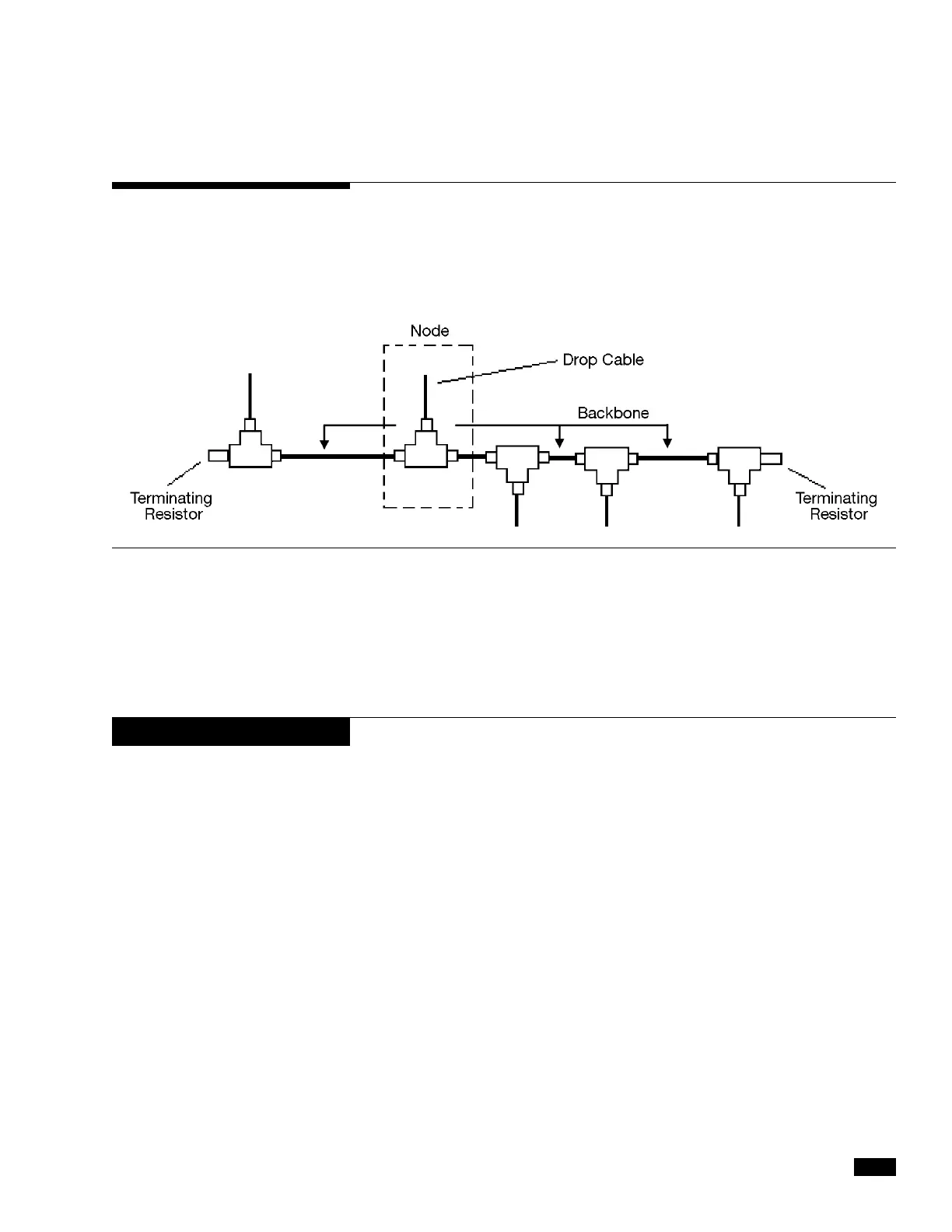
The Network must consists of a single harness run to which devices
are connected by means of a tee connector. All products must
connect onto the node part of the tee connector. Each end of the
harness must have a terminator. It is essential there be a total of
two, and ONLY two, terminators - one located at each end of the
backbone.
Note- a tee connector with nothing attached to its node is OK and
will not effect the network. NEVER use a terminator to cap the node
of an unused tee connector.
When installing a NMEA 2000
®
CAN Bus system there are several
things to keep in mind:
• Theharnessendsaremaleandfemale.Toavoidamismatchitis
best to work from one end toward the other. If you must work from
both ends toward the middle assure that the mating point will be a
male/female connection.
The electrical harness must not be cut or spliced. Replace worn or
frayed harness.
When securing the harness and especially when tying down a
number of direct connected tees never pull them down so tight as to
cause strain or put a curve in the tees as this may cause a failure.
The cabling that is used conforms to the DeviceNet standard and
was developed for Industrial applications. In general the harness
are molded and the connection area is sealed with o-ring gaskets to
provide a good seal from the environment. The harness are available
in a variety of lengths.
B.1.2 CAN Bus Connectivity
B.1.3 Electrical Harness
Figure B-4.
NOTICE


 To Next Page