Need help?
Do you have a question about the SICK FLOWSIC600 and is the answer not in the manual?
Information on product identity, manufacturer, and contact details.
Lists of registered trademarks and the guarantee statement for product characteristics.
Definitions of acronyms and technical terms used throughout the manual.
Explanation of symbols indicating hazards like general danger, voltage, and explosive atmospheres.
Defines signal words (DANGER, WARNING, CAUTION, NOTICE) and their severity.
Explanation of symbols for information, technical data, and links.
Provides an overview of the manual's scope, content, and related documentation.
Outlines critical safety guidelines, intended use, and authorized personnel requirements.
Covers dangers from gases, pressure, loads, and general safety measures.
Details on environmental impact and proper disposal procedures for the instrument.
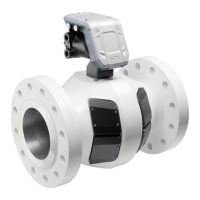
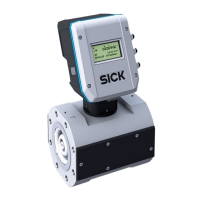
Describes the main hardware components: meter body, transducers, and SPU.
Explains operating modes, meter states, and signal behaviors.
Details the MEPAFLOW600 CBM software features and installation.
General considerations, delivery check, and transport/storage guidelines.
Guidelines for measuring location and pipeline installation configurations.
Steps for mounting the meter, selecting parts, and aligning components.
Instructions for general information, cable specifications, and connections.
General commissioning steps, PC/laptop connection via RS485/RS232/USB.
Steps for connecting and starting the MEPAFLOW600 CBM software.
Guided field setup, function tests, and path compensation activation.
Instructions for sealing the signal processing unit after commissioning.
General information on the low-maintenance nature and routine checks.
Procedures for comparing SOS, checking meter health, and time synchronization.
Generating maintenance reports and downloading optional data like logbooks.
Basic steps for identifying and resolving common measurement problems.
Interpreting meter indications, system alarms, and user warnings.
Solutions for issues related to connecting the meter to the software.
Details on CE certificate, standards, type approvals, and technical specifications.
Classification and overview of event entries in logbooks and the MEPAFLOW600 CBM.
Connection diagrams and wiring examples for hazardous areas (CSA, ATEX).
Diagrams illustrating the correct placement of seals on various meter components.
Information on product identity, manufacturer, and contact details.
Lists of registered trademarks and the guarantee statement for product characteristics.
Definitions of acronyms and technical terms used throughout the manual.
Explanation of symbols indicating hazards like general danger, voltage, and explosive atmospheres.
Defines signal words (DANGER, WARNING, CAUTION, NOTICE) and their severity.
Explanation of symbols for information, technical data, and links.
Provides an overview of the manual's scope, content, and related documentation.
Outlines critical safety guidelines, intended use, and authorized personnel requirements.
Covers dangers from gases, pressure, loads, and general safety measures.
Details on environmental impact and proper disposal procedures for the instrument.
Describes the main hardware components: meter body, transducers, and SPU.
Explains operating modes, meter states, and signal behaviors.
Details the MEPAFLOW600 CBM software features and installation.
General considerations, delivery check, and transport/storage guidelines.
Guidelines for measuring location and pipeline installation configurations.
Steps for mounting the meter, selecting parts, and aligning components.
Instructions for general information, cable specifications, and connections.
General commissioning steps, PC/laptop connection via RS485/RS232/USB.
Steps for connecting and starting the MEPAFLOW600 CBM software.
Guided field setup, function tests, and path compensation activation.
Instructions for sealing the signal processing unit after commissioning.
General information on the low-maintenance nature and routine checks.
Procedures for comparing SOS, checking meter health, and time synchronization.
Generating maintenance reports and downloading optional data like logbooks.
Basic steps for identifying and resolving common measurement problems.
Interpreting meter indications, system alarms, and user warnings.
Solutions for issues related to connecting the meter to the software.
Details on CE certificate, standards, type approvals, and technical specifications.
Classification and overview of event entries in logbooks and the MEPAFLOW600 CBM.
Connection diagrams and wiring examples for hazardous areas (CSA, ATEX).
Diagrams illustrating the correct placement of seals on various meter components.
 General
| Brand | SICK |
|---|---|
| Model | FLOWSIC600 |
| Category | Measuring Instruments |
| Language | English |


 To Next Page