
 Need help?
Do you have a question about the Sun Microsystems Sun SPARC Enterprise M5000 and is the answer not in the manual?
Describes intended users and required knowledge for understanding the manual.
Explains the manual's organization by chapter, providing an overview of each.
Lists the server models covered in this manual.
Describes the system monitor and control facility (XSCF) and its capabilities.
Details connectors and LEDs for XSCF Unit external interface.
Describes key XSCF functions: monitoring, shell/web interfaces, diagnosis, security, power control.
Outlines serial and Ethernet (XSCF-LAN) connection types to XSCF.
Describes the XSCF Shell (Ethernet/Serial) and XSCF Web interfaces.
Lists required and optional settings for XSCF functions.
Provides step-by-step setup summary using XSCF Shell.
Provides step-by-step setup summary using XSCF Web.
Describes detailed XSCF settings configuration.
Details network interface and configuration settings.
Details user account management, passwords, and privileges.
Details LDAP client configuration.
Details system time and NTP server settings.
Details SSH/Telnet settings and access control.
Details HTTPS settings for secure web access.
Details audit administration for logging access.
Details log archiving settings.
Details SNMP agent configuration.
Details domain configuration using system boards.
Details XSB division and memory mirror configuration.
Details domain mode settings like diagnostic level, watchdog, auto-boot.
Describes saving and restoring XSCF configuration via USB or network.
Describes connecting terminals via LAN or serial port.
Details serial and Ethernet ports for XSCF connection.
Discusses XSCF-LAN/DSCP ports, functions, and firewall requirements.
Provides procedures for serial port connection.
Describes logging in via XSCF-LAN using SSH.
Describes logging in via XSCF-LAN using Telnet.
Explains switching between XSCF Shell and domain console.
Provides examples of XSCF connection types like LAN and serial.
Describes checking server hardware configuration and status.
Describes displaying server configuration and status of various components.
Describes checking domain configuration and status.
Describes how to adopt domain configuration.
Describes power operations for servers and domains.
Explains how to turn on system power.
Explains how to turn off system power.
Explains how to turn on domain power.
Explains how to turn off domain power.
Describes issuing a panic instruction to a domain.
Describes issuing a reset instruction to a specified domain.
Describes sending a break signal to a domain.
Explains air-conditioning wait time settings.
Explains warm-up time settings.
Explains shutdown wait time settings.
Explains dual power feed settings.
Describes finding target system using locator command.
Explains managing fault degradation.
Explains how to display degraded components.
Describes performing XSCF commands on XSCF Shell.
Lists and describes XSCF Shell commands.
Describes how to log in to XSCF Shell.
Describes commands for viewing server status and controlling it.
Describes commands to display server configuration info.
Describes commands for domain resource management.
Describes commands to fetch and display XSCF logs.
Describes commands for user and security management.
Lists typical XSCF Shell error messages.
Describes XSCF mail function features like fault notification and authentication.
Explains the step-by-step process to set up the XSCF mail function.
Explains contents of email messages sent for parts faults.
Explains how to send and verify test mail settings.
Introduces the XSCF SNMP agent function and its purpose.
Explains MIB definition files supported by XSCF for SNMP management.
Explains SNMP traps for event notification.
Explains the setup procedure for the XSCF SNMP agent.
Explains firmware update functions and procedures.
Provides an overview of the firmware update process.
Lists requirements for firmware updates.
Explains how to deliver XCP files.
Explains how to check the current firmware version.
Describes the three steps: XCP import, update, application.
Lists key features of XSCF firmware update process.
Describes different firmware update types and timings.
Explains firmware update for redundant XSCF Units.
Provides notes for ensuring proper operation post-update.
Outlines the steps for firmware update.
Discusses actions for firmware update errors.
Q&A section for firmware updates.
Explains how to fetch and display server operation logs.
Lists log types and commands to reference them.
Explains how to collect log information.
Introduces the XSCF Web interface and its capabilities.
Explains how to start and access the XSCF Web console.
Describes the process of logging in and out of XSCF Web.
Describes the structure and content of XSCF Web pages.
Lists functions for displaying the status of the entire system.
Lists functions for displaying the status of a domain.
Lists functions for displaying CPU, memory, I/O status in XSB.
Lists functions for system and domain operations.
Lists functions for specifying domain mode settings.
Lists functions for system board configuration.
Lists functions for domain configuration.
Lists functions for network configuration.
Lists functions for setting XSCF time.
Lists functions for setting SSH/telnet.
Lists functions for configuring LDAP.
Lists functions for XSCF user management.
Lists functions for configuring XSCF audit.
Provides SMTP server settings.
Provides email report settings.
Lists functions for configuring SNMP.
Lists functions for security access for SNMPv3.
Lists functions for configuring log archiving.
Lists functions for COD configuration.
Continues COD configuration functions.
Lists functions for configuring Sun Management Center agent.
Lists functions for authentication timeout.
Lists utility pages like firmware update, XSCF reset.
Lists functions for firmware update.
Lists functions for referring and saving logs.
Lists typical XSCF Web error messages.
Explains different types of messages output by XSCF.
Explains how to recognize status or fault information via messages.
Explains recognizing status/fault info from XSCF Shell monitoring messages.
Lists log types and commands to reference them.
Explains how to collect log information.
Details the XSCF error log and how to confirm faults.
Explains the power log and how to reference it.
Explains the event log and how to reference it.
Explains how to display other logs using showlogs.
Explains the audit log.
Explains MIB object identifiers supported by XSCF.
Describes standard MIBs conforming to RFCs.
Describes two extended MIBs for system information.
Explains standard and extension traps for event notification.
Describes common XSCF problems and provides solutions.
Provides steps to resolve login issues.
Explains how to reset a forgotten password.
Troubleshoots serial port connection issues.
Troubleshoots Telnet connection issues.
Troubleshoots SSH connection issues.
Provides steps to find XSCF IP address.
Troubleshoots console disconnection issues.
Addresses issues with server power operations.
Addresses issues with adding XSCF users.
Troubleshoots missing mail reports.
Troubleshoots issues accessing XSCF Web top page.
Troubleshoots issues with displaying XSCF Web windows.
Refers to XSCF Shell password recovery.
Troubleshoots initial XSCF Web access failures.
Troubleshoots issues with XSCF Web page display.
Addresses alert messages in XSCF Web.
Describes effective XSCF use when the server is unresponsive.
Details the GNU GPL terms and conditions.
Details the LGPL terms for copying, distribution, and modification.
Details the Apache License terms.
Details the OpenLDAP Public License terms.
Details the Open Software License terms.
 General
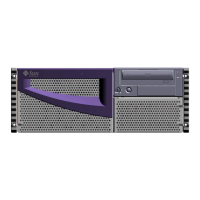
| Manufacturer | Sun Microsystems |
|---|---|
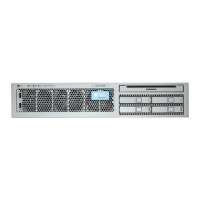
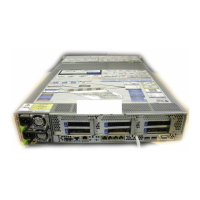
| Model | Sun SPARC Enterprise M5000 |
| Category | Server |
| Number of Processors | Up to 4 |
| Threads per Core | 2 |
| Memory | Up to 512 GB |
| Memory Type | DDR2 |
| Operating System | Solaris |
| Storage | SAS/SATA |
| Network Interface | 10/100/1000 Ethernet |
| Power Supply | Redundant power supplies |
| Power Consumption | Varies by configuration |
| Form Factor | Rackmount |







 To Next Page

