System Functions and Features as of I7.9
Routing elements 81
syd-0200/3.0 – I7.9 – 11.2009
4. 3 Route
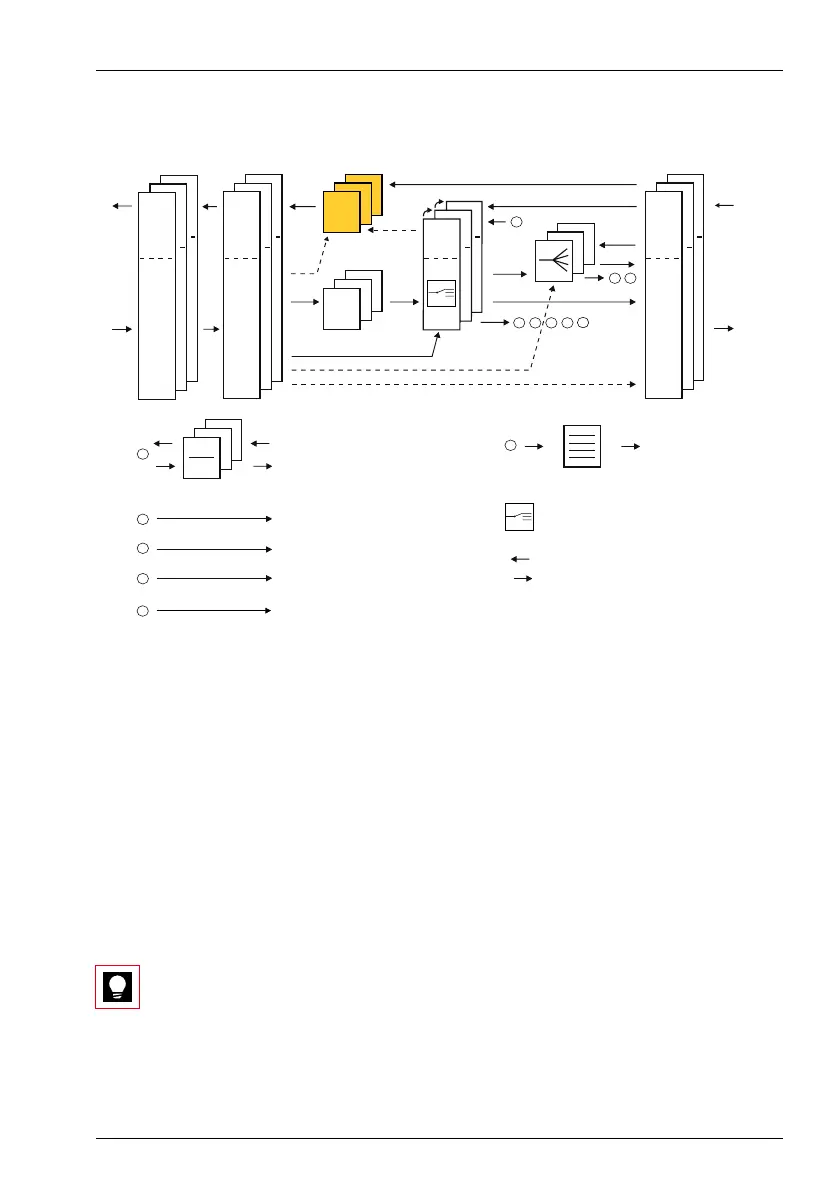
Fig. 31 Routes in relation to the other routing elements
The route function applies only to outgoing calls.
A route determines the direction of outgoing calls through allocation to trunk
groups. All outgoing calls are routed via a route to one or more trunk groups. They
also include calls routed via the Least Cost Routing function and transit calls in a
PISN. Normally a separate route is set up for each PINX
The route elements can be allocated internal call numbers in the internal number-
ing plan. In this way a route element can be selected directly (route selection, see
page 168).
Name is used to assign a name to each route. The main purpose of the name is to
provide orientation; it does not have a routing function.
Tip:
It is advisable to name the routes according to their function. For example
Transit Routing, Remote Alarming, to PINX 3, etc. It makes the configuration
work all the clearer.
/FUXPSLJOUFSGBDFT 5SVOLHSPVQT
3PVUFT $BMM%JTUSJCVUJPO
&MFNFOUT
6TFSHSPVQT 6TFSDPOGJHVSBUJPOT
6TFSTJEF
%JSFDUEJBMMJOHQMBOT
,FZUFMFQIPOFT
,5MJOFT
(FOFSBMCFMM
0QFSBUPSDPOTPMFT
&YUFSOBMSFNPUFDPOUSPM
"$%RVFVF
"$%TFSWFS
$IBOHFPWFSTXJUDIGPSPOFPS
NPSFTXJUDIHSPVQT
0VUHPJOHDBMMT
*ODPNJOHDBMMT
/FU
XPSL
TJEF
4QFDJBMEFTUJOBUJPOT145/PWFSGMPXSPVUJOH
TUBOEBSE7PJDF.BJM(4.JOUFHSBUJPONPEFN


 To Next Page
 Loading...