1.8.2 HCMB pump temperature control system (iH600/iH1000 only)
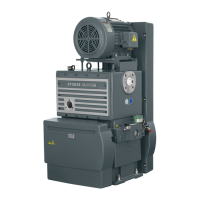
The HCMB600 pump in an iH600 system is cooled by ambient air. The pump-motor is cooled by
water which flows through a cooling jacket which surrounds the pump-motor. The
pump-motor cooling-water supply and return pipelines are connected to the cooling-water
manifold on the HCDP pump.
The headplate of the HCMB1000 pump in an iH1000 system is directly cooled by water which
flows around this part of the pump. The pump-motor is cooled by water which flows through a
cooling jacket which surrounds the pump-motor. The headplate and pump-motor cooling-water
supply and return pipelines are connected to the cooling-water manifold on the HCDP pump.
A motor-protection thermistor is fitted to the HCMB600 and HCMB1000 pump-motors. This
thermistor is identical to that fitted to the HCDP pump (see Section 1.8.1). The thermistor is
connected to the relay interlock circuit and will cause the system to be shut down if the
pump-motor is too hot.
A temperature sensor probe (Figure 1-6, item 14) is fitted in the stator of the pump. The output of
the sensor is monitored by the iH control system: on the iH600, the output is used to provide a
warning that the pump has been operating at maximum inlet pressure for longer than the
specified time (see Table 2-1) and is overheating; on the iH1000 system, the output is used to
control the speed of the HCMB pump, to prevent overheating at high inlet pressures.
1.9 Exhaust system
The outlet of the HCDP pump is connected to an exhaust-pipe, which is below the pump.
The outlet also has a port which allows gearbox vent gases to join the main exhaust stream
(see Figure 1-2). The final stage of the HCDP pump is a positive displacement Roots stage,
which attenuates the gas pressure pulses from the claw stages in the pump. This pump
configuration reduces pump-induced resonance in your exhaust-extraction system and
removes the need for an exhaust silencer.
An elbow is fitted to the outlet of the exhaust pipe. The outlet of the elbow has a check-valve
which prevents the suck-back of exhaust vapours after the iH system is shut down. The
check-valve also provides additional attenuation of the pulses in the exhaust pressure. If
required, you can remove the elbow and/or check-valve for your specific process (see Section
3.10); or connect the exhaust pipe directly to an exhaust treatment system (such as a BOC
Edwards Exhaust Gas Management). The exhaust pipe, elbow and joint between pipe and elbow
are fitted with insulation jackets to reduce heat loss from the exhaust system.
You can fit an exhaust temperature sensor accessory to the end of the exhaust pipe (between
the elbow and the check-valve, if fitted): see Section 8.4.1. When fitted, the output of the
sensor is monitored by the iH control system and is used to provide an indication of exhaust
gas temperature.
1-10 iH Dry Pumping Systems



 To Next Page