SAFETY
2-6
exposures. Install appropriate ventilation controls or cease surrounding activity if
fumes become an exposure issue outside of the immediate work area
5. Do not operate near degreasing and spraying operations. The heat or arc can react
with chlorinated hydrocarbon vapors or liquids to form phosgene, a highly toxic gas,
and other irritant gases.
6. If you develop momentary eye, nose or throat irritation while operating, this is an
indication that the ventilation is not adequate. Stop work and take the necessary
steps to improve ventilation in the work area. Do not continue to operate if physical
discomfort persists.
7. Respiratory protection is required if worker respiratory exposures to fumes exceed
recommended thresholds. Those thresholds can only be accurately measured
through standardized industrial hygiene sampling protocols. Seek the assistance of
specialists if your work causes respiratory exposures or you have other exposure
concerns.
8. Refer to ANSI/ASC Standard Z49.1 for specific ventilation recommendations.
2.1.7 CYLINDER HANDLING
Therefore:
1. Locate cylinders away from heat, sparks and flames.
2. Inspect all connections before use to detect and correct any leaks or system defects.
Use soapy water as a test if you suspect a leak but have difficulty confirming its
location or existence.
3. Never strike an arc on a cylinder. Handle cylinders with care and avoid jolts and
impacts to cylinders; regardless of if they are empty, partial, or full.
4. Secure all cylinders in a way that prevents them from falling and potentially doing
damage to the valve, regulator, or attachments. Typically, this requires the use of a
secure strap or chain at an appropriate height that helps to prevent the cylinder
from falling over.
WARNING
This product when used for welding or cutting, typically produces fumes or gases
which contain chemicals known to the State of California that can cause birth
defects and in some cases cancer (California Health & Safety Code §25249.5 et
seq.).
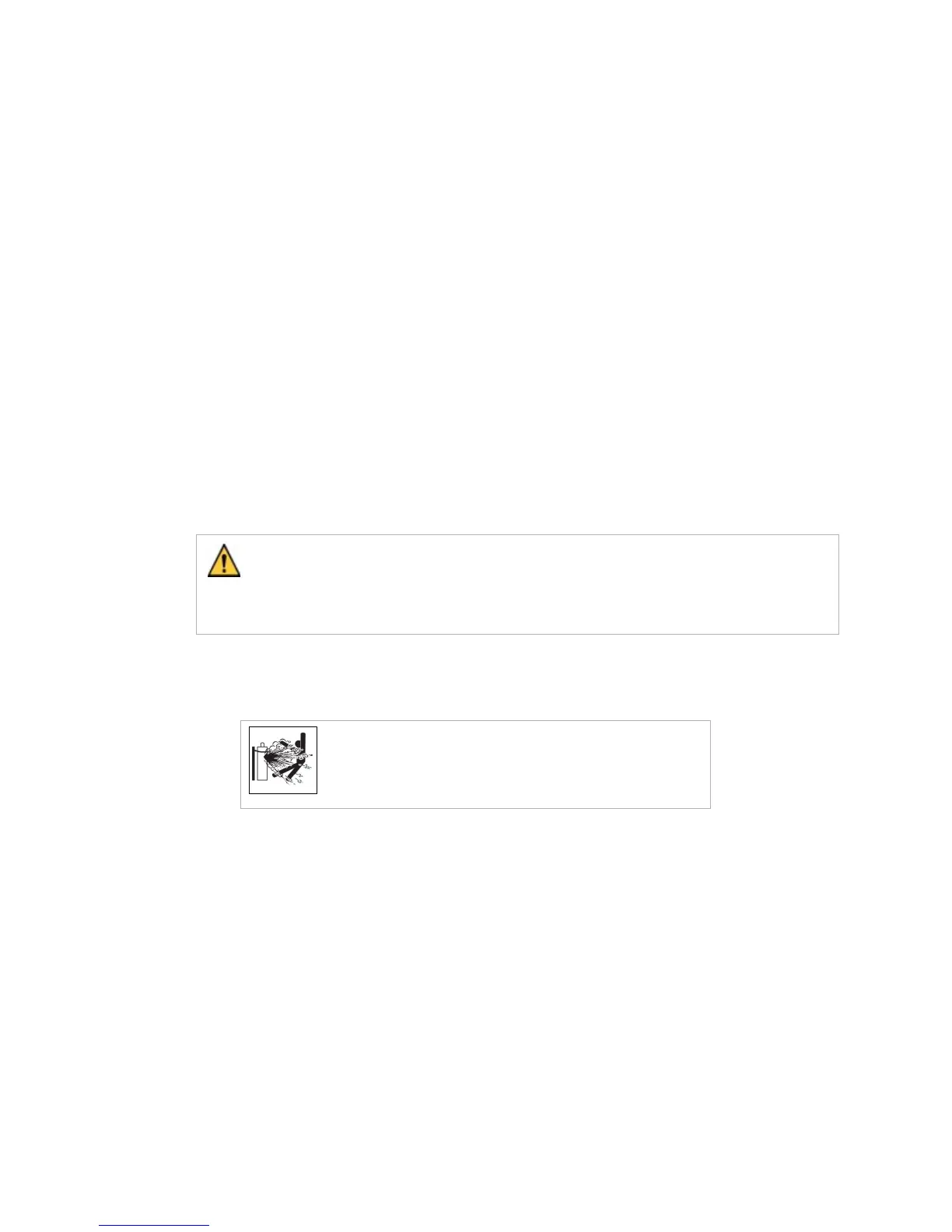
EXPLODING CYLINDERS – CAN INJURE, MAME OR KILL.
EXPLODING CYLINDERS – Can injure or kill.



 To Next Page