GE Power Management LPS-O Line Protection System 2-
7
2 CALCULATION OF SETTINGS 2.2 GENERAL SETTINGS
2
302: PREFAULT - Number Of Pre-Fault Cycles To Capture
PREFAULT
selects the number of pre-fault or pre-trigger cycles to be stored in each oscillography record. It
can be set over the range from 1 to 8.
NUMFAULTS,
as explained above, determines the total number of
cycles per oscillography record, and
PREFAULT
determines how many of these will be pre-fault cycles.
303: SPLITREC - Split Oscillography Record For Long Duration Faults
The LPS-O system allows a pre-defined number of oscillographic records to be captured per the
NUMFAULTS
setting described above. Each record is a specific number of cycles in length as determined by this setting. If a
fault occurs that is greater in length than the number of cycles to be captured, the
SPLITREC
setting will allow
the record to be split so that the beginning and the end of the fault can be captured. Note that
SPLITREC
does
not affect the number of pre-fault cycles that are captured (as determined by the
PREFAULT
setting).
SPLI-
TREC
applies only the fault record, exclusive of the pre-fault cycles.
SPLITREC
is set as a percentage with a
range of 0 to 100 percent, and splits the record so that the end of the record is equal to the
SPLITREC
percent-
age and the beginning of the record is equal to (100 –
SPLITREC
). For example, assume that
NUMFAULTS
is
set to 4 and
PREFAULT
is set to 4. This means that the record will capture 4 cycles of pre-fault data and 28
cycles of fault data. The LPS-O system samples at 64 times per cycle, therefore, 2048 samples (64 x 32) of
fault data will be captured. Further assume that
SPLITREC
is set to 30 percent. If the fault lasts longer than 32
cycles (2048 samples), then 28 cycles (1792 samples) of the oscillographic record will be split and the display
will show 8.4 cycles (538 samples) at the end and 23.6 cycles (1510 samples) at the beginning. If the fault is
less than the set number of cycles then
SPLITREC
has no effect and the total fault record will be displayed.
Use a setting for
SPLITREC
that displays the information most desired in a long duration fault (more at the
beginning and less at the end, or vice versa).
2.2.4 EQUIPMENT DUTY
The LPS-O system will count the total number of breaker operations and furthermore will calculate and accu-
mulate the total breaker duty on a per phase basis according to the following equation:
Total Duty =
where,
I
= RMS current
t
= breaker operating time
x
= user settable exponent
The number of operations and accumulated duty will be compared to set values (entered by the user). When
the respective value is reached, an event will be recorded and the non-critical alarm initiated if programmed to
do so. The number of operations and the total duty can start from zero, or if the existing number of operations
or total duty is known, those values can be entered into the LPS-O system which will use them as the starting
point.
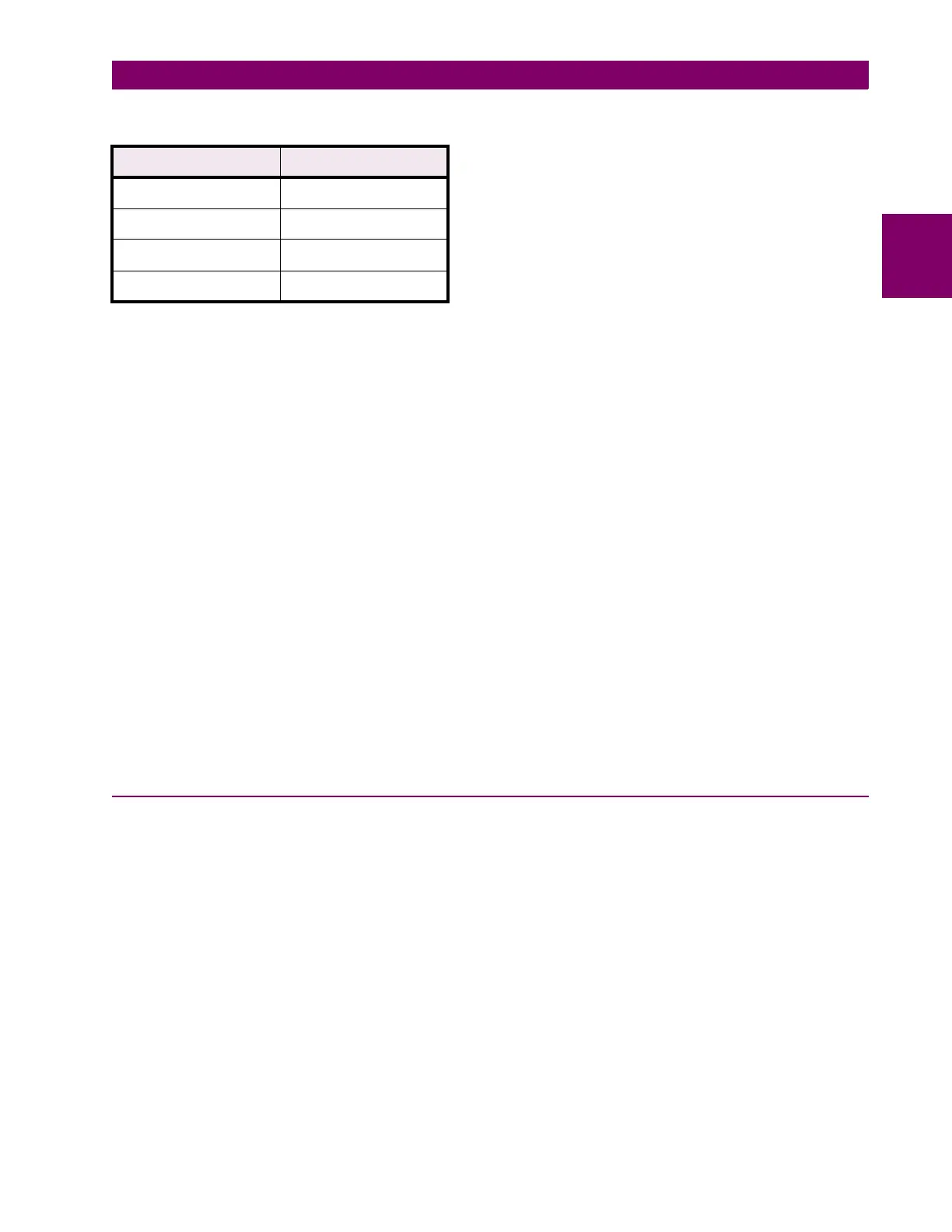
Table 2–3: OSCILLOGRAPHY CYCLES PER STORAGE EVENT
NUMFAULTS Storage Cycles
672
12 36
24 18
36 12
I
x
t
∑



 To Next Page