OPERATOR'S MANUAL
ENGLISH
Cod. EKE0002OM
9
1.3.3. Information Required for Questions and Orders
Remember to provide machine type, Chassis ID No. and manufacturing year when
asking questions about the machine or requesting part replacement!
1.3.4. Intended Operation
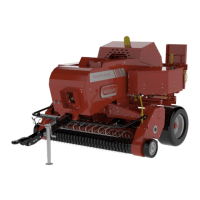
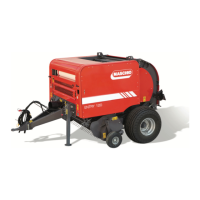
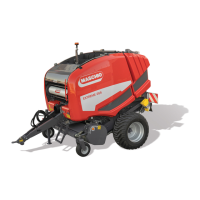
PITAGORA INLINE balers are designed for standard agricultural use only. Any other
use does not conform with the intended use. Manufacturer cannot be held liable for any
inappropriate use at operator’s own risk.
Allowed Bale Materials: Weed varieties used for animal feed such as weed, hay.
Any other uses and inappropriate products (Corn, Peanut, Cane and Harrow and Stubble
Bales, etc.) shall render warranty coverage void.
1.4. General Aspects for Environmental Science
Soil, air and water; these are the indispensible elements of agriculture and life in
general. In case local regulations do not govern treatment of chemical substances as
required by advanced technologies or in lack of such regulations, common practices should
be considered in use and disposal of chemical and petrochemical byproducts.
Useful Tips
• Avoid filling tanks using inappropriate containers or pressure filling systems as they
may result in large spills and fluid leaks.
• As a general rule, prevent your skin from contacting any fuels, lubricants, acids,
solvents etc. These media mostly contain chemical substances that are hazardous for
your health.
• Modern lubricants contain additives. Do not incinerate contaminated fuels and/or used
oils in conventional heating systems nor leave them to the disposal of anyone
requesting them for other uses.
Useful Recommendations
• Ask and find out relevant regulations.
• If there is no applicable regulation on waste management; get information on impact of
oils, filters, batteries, fuels, antifreeze, cleaning agents, etc. on the environment as well
as their safe storage, use and disposal.
• Avoid discharge of used radiator water, motor, transmission and hydraulic oils, brake
hydraulic oil and other fluids, if any, into the environment. Never mix used brake
hydraulic fluid or fuels with lubricants. Store them safely until you find a method of
disposal in compliance with laws and local regulations.
• For example, modern radiator fluids such as antifreeze and other additives should be
replaced every two years. Do not discharge them to the environment and instead,
collect and dispose appropriately.



 To Next Page