Pellerin Milnor Corporation 45
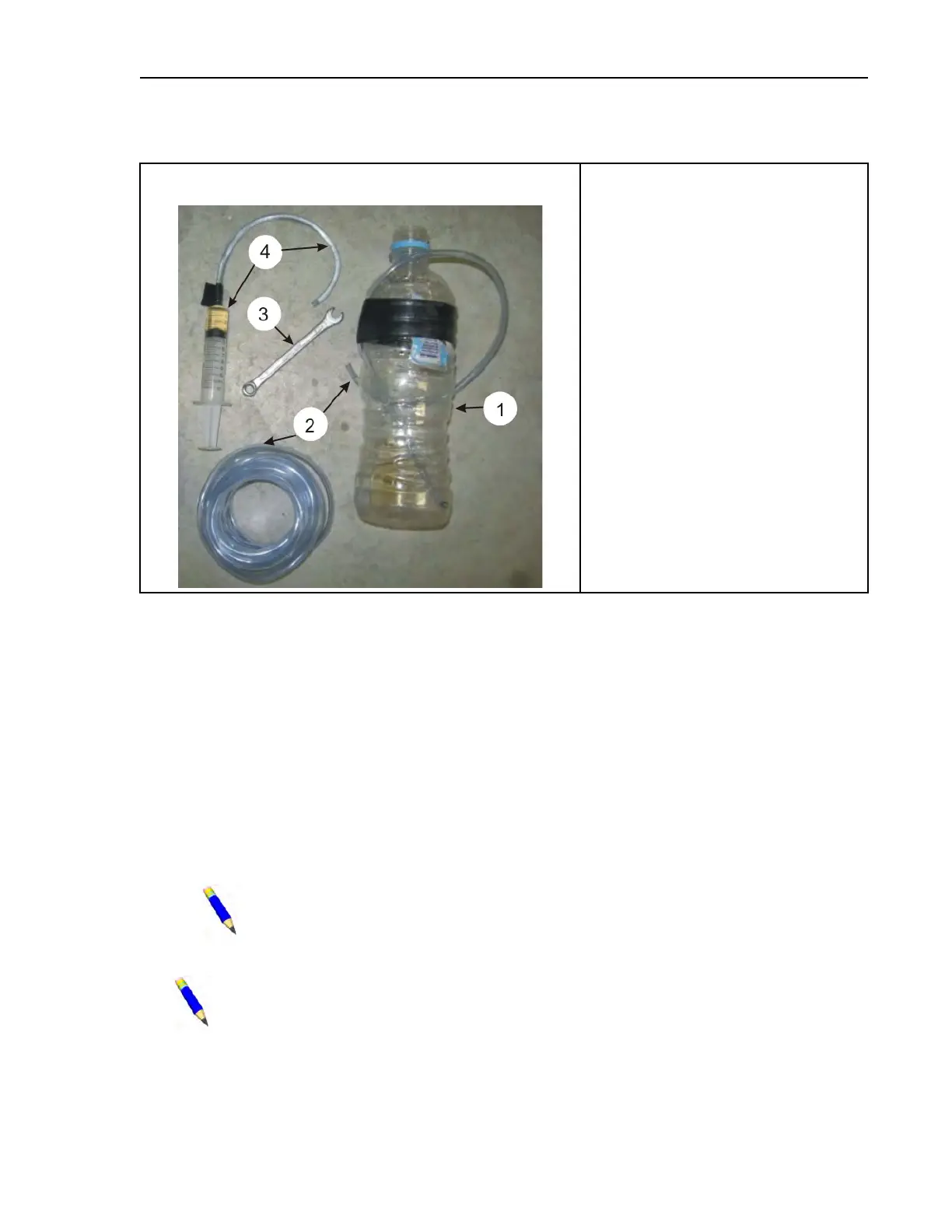
Figure 21. Typical Tools to Remove Air (Bleed) Brakes and Used Hydraulic Fluid
These tools use gravity and pressure in the hydraulic
cylinder
Legend
1. a clean 12 ounce container
2. a flexible hose to attach from the bleed
valves to a container
3. a wrench for the bleed valves (Figure 19
, item 12)
4. a suction device to remove brake fluid
from the reservoir
1. Use the tools in Figure 21: Typical Tools to Remove Air (Bleed) Brakes and Used Hydraulic
Fluid, page 45 to remove the used hydraulic fluid and clean the line. Do these steps:
a. Use a suction tool (Figure 21 , item 4) to remove the used fluid from the reservoir. Clean
the contamination.
b. Connect the tubing (Figure 21 , item 2) and container (Figure 21 , item 1) to the valve on
the caliper (Figure 18 , item 7).
c. Open the valve.
d. Add new fluid to flush out the lines.
e. Apply/release the brake (see Section : Operation of Brake Systems, page 48) approxi-
mately 5 to 15 times. This will flush the used fluid out of the lines.
f. Close the valve.
NOTE: These steps will cause air to go into the line.
2. Add new hydraulic fluid and remove (bleed) air from the brake circuit.
NOTE: This procedure uses pressure in the hydraulic cylinder and the tools in Fig-
ure 21: Typical Tools to Remove Air (Bleed) Brakes and Used Hydraulic Fluid, page
45 .
a. Fill the reservoir with new DOT 3 brake fluid. When you do the remaining steps, continue
to add new fluid to the reservoir. Do not let the reservoir become more than half empty.
Drive Assemblies





 To Next Page