Safety 4:5
CP 1–Cathodic Protection Technician Course Manual
© NACE International, 2000
12/01/04
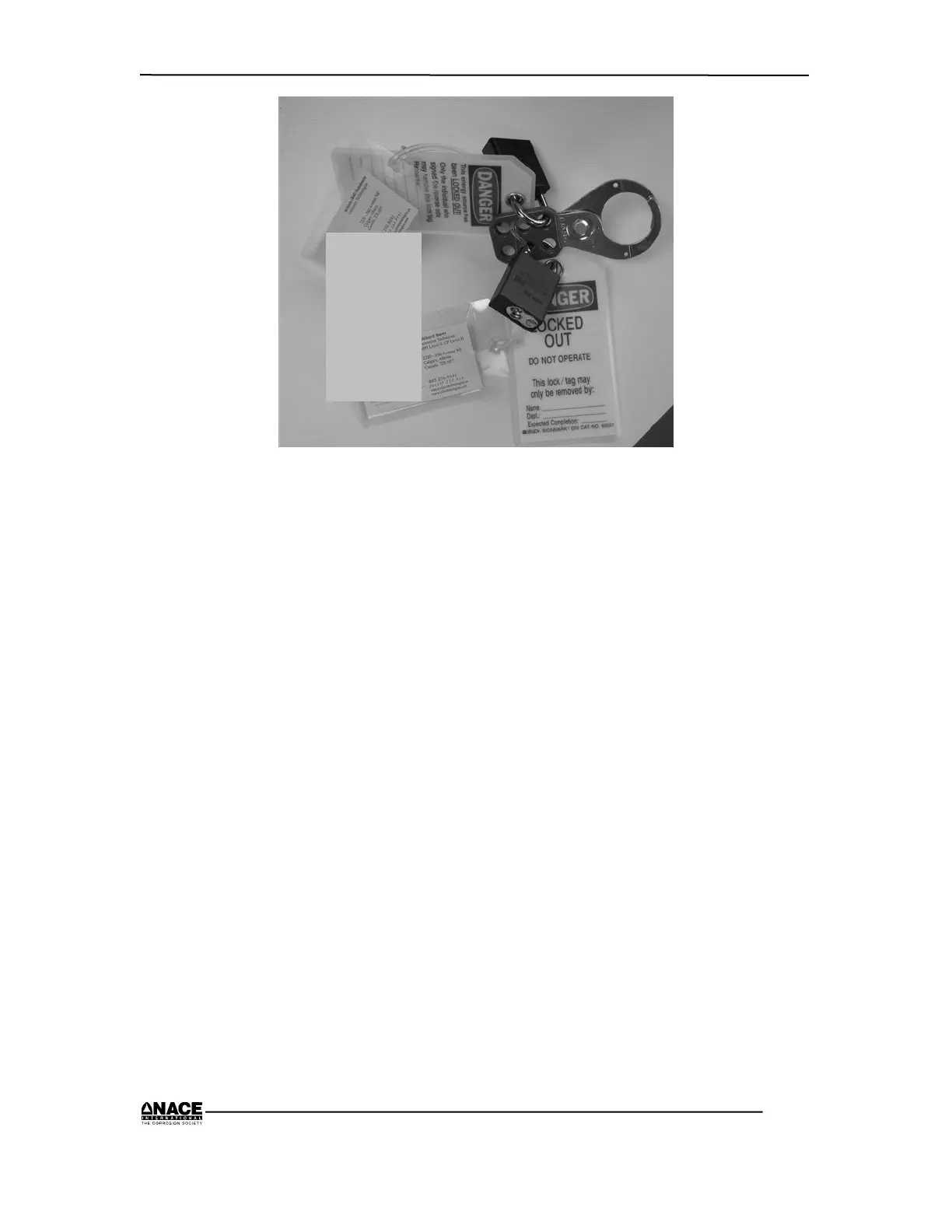
Figure 5.1 Group Scissor Lock Out / Tag Out (LOTO)
All cathodic protection personnel should carry a LOTO kit with them when in the
field if they plan to work on rectifiers.
Electrical Hazardous Areas
Where there is a possibility of an explosive mixture of a hydrocarbon, the
affected area will be designated as “hazardous” and electrical equipment
must be contained in a sealed hazardous junction box. The CP technician
must determine if he/she is qualified to work on electrical equipment in a
hazardous area. Before electrical equipment is exposed in a hazardous area
it must be turned off, locked out and tagged out to avoid the exposure of an
arc that may act as a source of ignition.
Explosions or Ignitions
In addition to hazardous areas, many structures containing potentially
explosive or combustible substances are cathodically protected. Under
certain circumstances a cathodic protection system may have sufficient
energy to ignite a combustible material or cause an explosion.
Whenever a current-carrying conductor is separated, depending upon the
characteristics of the circuit, a spark may be generated. For example, a
high-energy spark can occur on a cathodically protected pipeline carrying
current back to the rectifier if the pipeline is cut or separated at a fitting. If a
combustible atmosphere is present, an explosion can occur. To avoid this



 To Next Page