Planning
3066501_201910 WOLF GmbH | 19
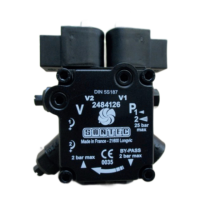
Permitted negative pressure
The maximum permitted negative pressure in the suction line is 0.3 bar.
Anti-lift valve
With negative pressure controlled anti-lift valves, the negative pressure on the inlet side is increased
considerably. The maximum permitted negative pressure is exceeded. Use an electromagnetically
controlled anti-lift valve to prevent a heat generator fault. This prevents the outgassing of the oil.
4.4.2 Fuel requirements
Use low sulphur fuel oil or bio-oil to protect the environment.
Requirement Explanation
Minimum temperature 5 °C, install trace heating to external tank if necessary
Permissible bio-oil
percentages
Up to 10% alternative share –B10– in accordance with DIN V 51603-6
Bio-oil quality EN 14213 at the time that the tank is lled
Bio-oils storage tank Written conrmation from the manufacturer specifying the maximum
permissible FAME (fatty acid methyl ester) proportion
Accessories, e.g. tank ttings, gaskets, lters and oil lines must also be
suitable.
Cleaning the bio-oil tank FAME acts as a solvent in the tank and the oil lines.
For this reason, clean the tank before lling with bio-oil.
Bio-oil storage Bio-oil is a natural product with a shorter shelf life than EL fuel oil.
Bio-oil must be stored at low temperatures (ambient temperature between 5°C
and 20°C) and protected from exposure to direct sunlight (in the case of plastic
tanks in particular).
Up-to-date information indicates that bio-oil should not be stored for longer than
one year.
Table 4.6 Fuel requirements
4.5 Condensate drain
If the condensate is fed directly into the on-site drain:
– Use a exible hose to connect the trap to the on-site drain. Make sure that the incline is sufcient
(drainage height of condensate from trap 260 mm)
– Use a condensate pump if this incline cannot be achieved.
– Make sure that the ventilation is sufcient to avoid the drain pipe affecting the heat generator.
Sulphur content of fuel oil Neutralisation of the condensate
> 50 mg/kg Required
< 50 mg/kg This can be omitted after discussing the matter with the local water
authority
Table 4.7 Neutralisation of the condensate
If neutralisation of the condensate is omitted:
– The condensate may only be drained in drain lines in accordance with Code of Practice DWA-A251.
– Mix the condensate with sufcient domestic waste water (at least 20 times the volume of the expected
amount of condensate).
– If this is not possible, neutralisation is required.
4.6 Air/uegasrouting
For safety reasons, use only original WOLF ues and concentric balanced ue systems.
DANGER
Fireandsmokewilltraveltootheroors!
Risk of suffocation, poisoning and burning in the event of exposure to re from outside.
► Take precautions to ensure re resistance.


 To Next Page