90 / 99 www.xovis.com
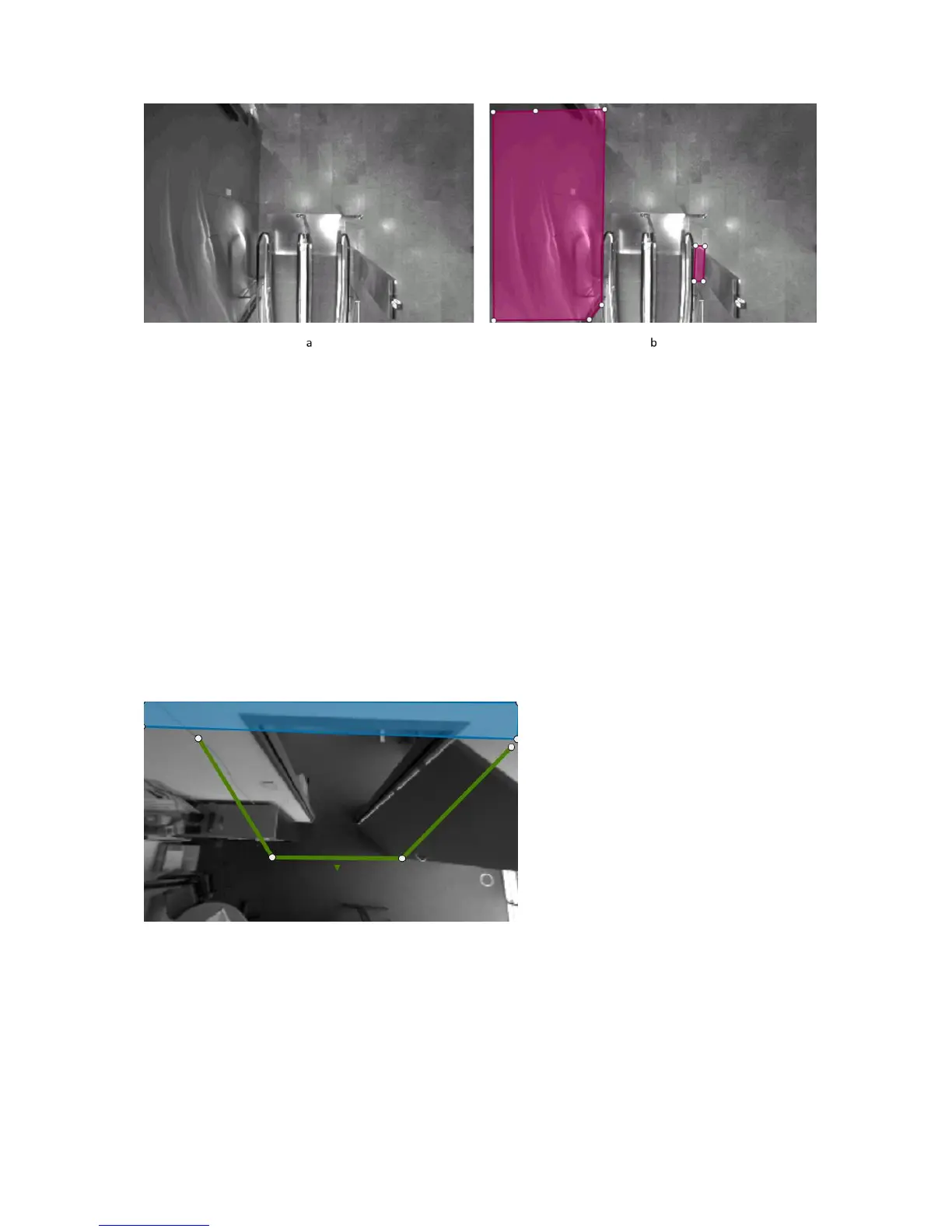
Figure 53: Exclusion mask on mirroring wall and information column
The drawing procedure is the same as with the floor mask (see chapter 3.2.7.6). Exclusion
masks are also added to the scene element list as soon as the initial drawing is finished.
4.2.2 Taboo masks
Taboo masks define areas completely excluded from the sensor’s processing. They can be
understood like black holes, i.e. areas where no image information at all is kept. In addition,
taboo masks act as artificial scene boundaries. The sensors algorithms benefit from the
information of such scene boundaries, e.g. for proper handling people leaving the scene.
Therefore scene boundaries which differ from the actual sensors view boundaries should be
marked by using taboo masks for everything behind that scene boundary.
Figure 54 shows an example situation where the doorway is masked by a taboo mask to
guarantee fast deletion of persons leaving through the door:
Figure 54: Taboo mask for marking the scene boundary
Furthermore taboo masks can be important to eliminate disturbing influence caused by
scene situations not processable by the sensors stereo vision algorithm. Such influences can
for example be caused by:
Signboards or monitors mounted within the sensors view
Unstructured or mirroring walls
Dark regions in strongly inhomogeneous illumination situations



 To Next Page