3-6 Set Up and Analyzer Description
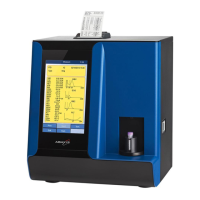
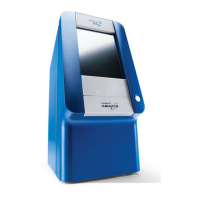
3.4 VetScan VS2 Chemistry Analyzer Overview
Note: Be sure to become familiar with the VS2 before running samples.
The VetScan VS2 Chemistry Analyzer consists of a portable ana-
lyzer and disposable single-use reagent rotors. Each reagent rotor
contains all the reagents needed to perform a profile of tests on a
single sample.
The VetScan VS2 uses centrifugal and capillary forces to process
heparinized whole blood samples and distribute diluted plasma to
the reaction chambers (cuvettes) in the reagent rotor. Serum and
heparinized plasma samples are processed in a similar manner. The
analyzer optically measures the chemical reactions and calculates
analyte concentrations from these measurements and from encoded
calibration data contained on the bar code ring.
Results are stored in memory, printed by the analyzer’s internal printer, and can be communicated
to external computers for various types of data management.
The analyzer communicates to the operator through the display screen. The display gives proce-
dural instruction, indicates the status of the analyzer, and presents error messages.
The operator provides information to the analyzer through the touchscreen — for details, see
“Touchscreen” on page 3-7.
The rotor drawer slides out from the front of the analyzer, transports the reagent rotor into the ana-
lyzer, and positions it for analysis.
Two power supply cords are provided: one connects to the power adapter and to the back of the
analyzer, while the other connects the power adapter to power supply (a surge protector designed
for use with a computer is recommended). The external adaptor changes the electrical outlet volt-
age to the DC voltage required by the analyzer.
The analyzer includes several USB connectors, one of which can be used for all communication
links. See Section 11, “Connecting to an External Computer” for details.
The operator can easily carry the analyzer using the recessed handle incorporated into the top of
the unit.


 To Next Page