APPENDIX G: DEFINING THE OPTIMUM PROCESS
HF-2500A HIGH FREQUENCY WELD CONTROL
990-371 G-3
Consider the Material Properties
The important material properties to be considered in the resistance welding process are:
•
Electrical and thermal conductivity
• Plating and coating
•
• Oxides
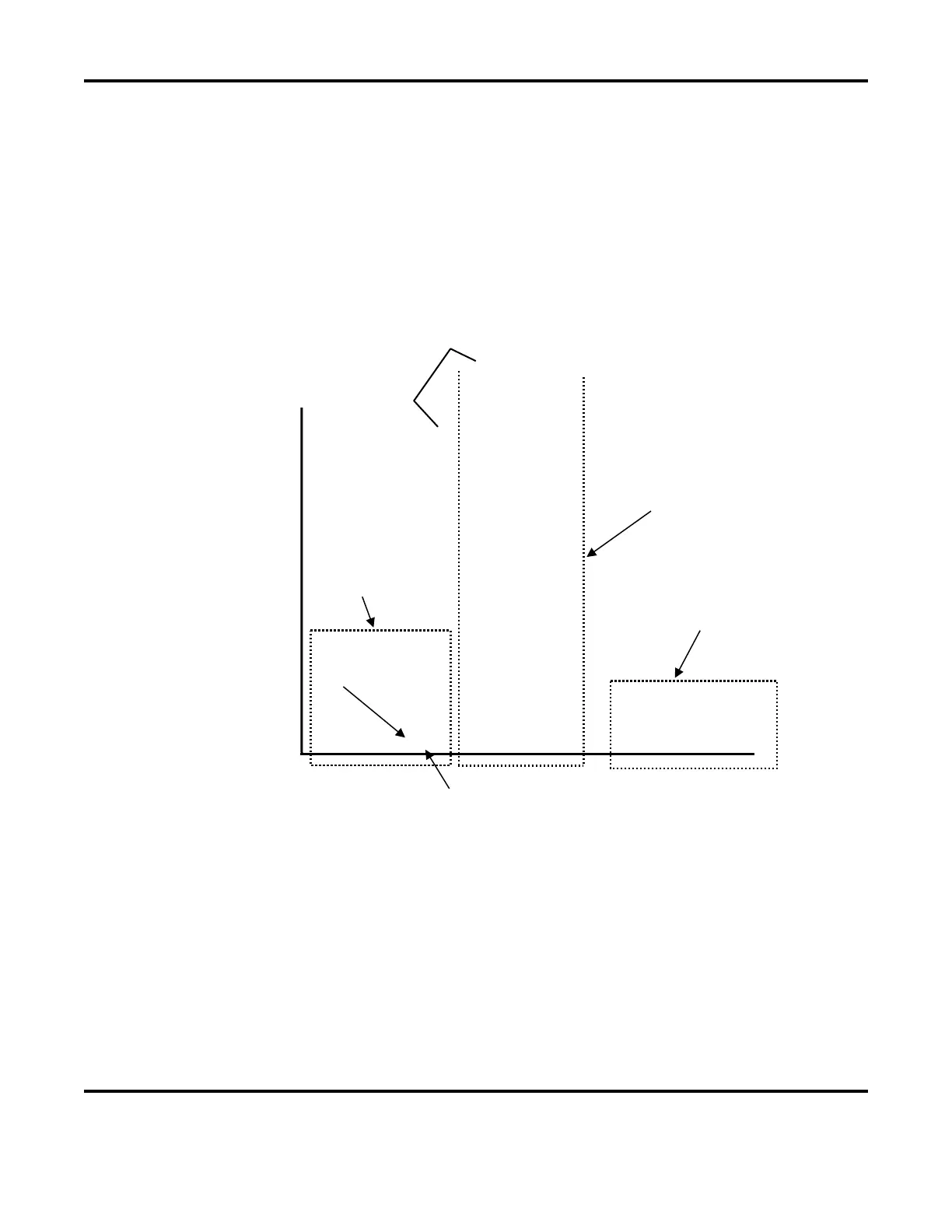
The figure below illustrates the variance in resistivity and melting points for some of the more common
materials used in micro resistance welding today.
The materials can be grouped into three common categories. The types of joints achievable within each
of the main groups are detailed below:
• Group I – Conductive Metals
Conductive metals dissipate heat and it can be difficult to focus heat at the interface. A solid-
state joint is therefore preferred. Typically, resistive electrode materials are used to provide
additional heating.
(304, 316, etc.)



 To Next Page