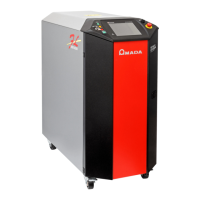
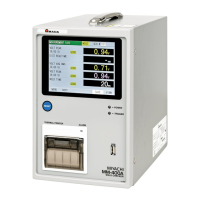
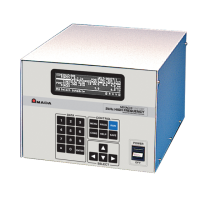
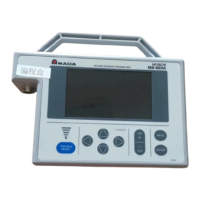
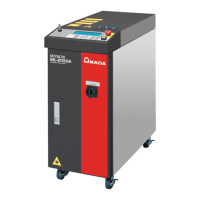
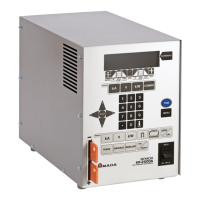
HF-2500A HIGH FREQUENCY WELD CONTROL
990-371 4-1
CHAPTER 4
Introduction to Feedback
Modes and Monitoring
Section 1. Programmable Feedback Modes
Introduction
The feedback mode (current, voltage, or power) is one of the selections entered when programming a
weld schedule. Programming weld schedules is explained in Chapter 5, Operating Instructions.
Current Mode
Application
• Flat parts where the part-to-part and electrode-to-part contact is controlled and consistent
Description
This mode delivers the programmed current regardless of work piece resistance changes. This
compensates for slight changes in part thickness without affecting weld quality. Set monitoring limits
on voltage.
Voltage Mode
Application
• Ideal for welding round or non-flat parts
Description
This mode controls the voltage across the work piece during welding. It helps to compensate for part
misplacement and force problems and automatically reduces weld splash, which is often associated
with non-flat parts and wire welds. Set monitoring limits on current.
Power Mode
Application
• Breaking through surface oxides and plating
• Automated applications where part or electrode surface conditions can vary over time.
Description
This mode precisely varies the weld current and voltage to supply consistent weld energy to the parts.
The power mode has been shown to extend electrode life in automated applications. Set monitoring
limits on current or voltage.


 To Next Page