EasyManua.ls Logo

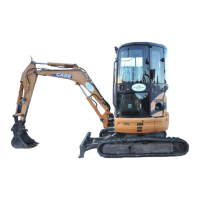
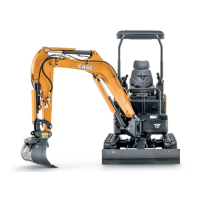
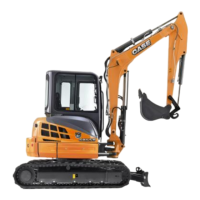
CASE CONSTRUCTION CX26C - User Manual

Default Icon
258 pages
Print Icon
To Next Page IconTo Next Page
Loading...
Part number 51430416
1
st
edition English
January 2018
Mini Excavator
OPERATOR’S MANUAL
CX26C
ORIGINAL INSTRUCTIONS - according to Directive 2006/42/EC, Annex I, 1.7.4.1

Table of Contents

Questions and Answers

Summary

1 GENERAL INFORMATION

Note to the Owner

Important information for the operator before using the machine.

Intended use

Defines the specific purposes for which the machine is designed and intended.

Electro-Magnetic Compatibility (EMC)

Discusses compliance with EMC regulations and potential interference from add-on equipment.

Telematics (optional)

Information about the optional telematics system and its functionality.

Manual scope and required training level

Outlines the manual's content and the training required for operators.

Product identification

Details on how to identify the machine and its components for ordering or service.

Operators manual storage on the machine

Specifies the correct location for storing the operator's manual on the machine.

Machine orientation

Defines terms like 'front', 'rear', 'left', 'right' as seen from the operator's seat.

Machine components

Identifies and labels the main parts and components of the machine.

EC Declaration of Conformity

Provides information about the machine's compliance with relevant EU provisions.

2 SAFETY INFORMATION

Signal word definitions

Explains safety alert symbols (Danger, Warning, Caution, Notice) and their meanings.

Safety rules

General safety guidelines and precautions for operating and maintaining the machine.

Ecology and environment

Guidelines for environmentally responsible use and disposal of fluids and materials.

Hand signals

Standard hand signals used for communication between operator and signalman.

Noise emission

Specifies the sound power and sound pressure levels of the machine.

Vibration levels

Details vibration levels transmitted to the operator during operation.

Safety signs

Explains the purpose and location of various safety signs on the machine.

3 CONTROLS AND INSTRUMENTS

Access to Operator Platform

Instructions for safely accessing the operator's cabin or platform.

Operators Seat Adjustments

Details on adjusting the operator's seat for comfort and proper operation.

Seat Belt Usage

Instructions and warnings regarding the proper use and inspection of the seat belt.

Forward Controls Overview

Description of the left and right control levers for operating the machine's functions.

Travel Controls and Pedals

Explains the operation of travel levers and pedals for machine movement and steering.

Boom Swing Pedal and Auxiliary Pedal

Describes the function of the boom swing pedal and the optional auxiliary pedal.

Windshield Operation

Instructions for opening and closing the front windshield.

Left-Hand Side Controls

Details the functions of controls located on the left-hand side of the operator.

Safety Lock Lever

Explains the operation of the safety lock lever to prevent unintended movement.

Engine Speed Control Lever

Describes how to adjust the engine speed using the control lever.

Emergency Exit Hammer

Information on the location and use of the emergency exit hammer.

Windshield Washer Reservoir

Location and instructions for refilling the windshield washer fluid.

Right-hand Side Controls

Details the functions of controls located on the right-hand side of the operator.

Instrument Cluster Functions

Explains the gauges, warning lights, and pilot lights on the instrument panel.

Ventilation and Heating System

Describes the operation of the ventilation and heating controls.

Rearward Controls and Storage

Information about rearward controls and the storage compartment.

Overhead Controls and Cab Lighting

Details on overhead controls, including cab interior lighting.

Radio Operation

Instructions for operating the machine's radio system, including controls and functions.

Exterior Controls and Access

Covers side doors, hoods, engine access, mirrors, battery disconnect, and fuel tank access.

Rear View Mirrors Adjustment

Instructions for adjusting the left and right side rear view mirrors for optimal visibility.

4 OPERATING INSTRUCTIONS

Starting the Machine and Anti-Theft

Covers anti-theft protection (ESL mode) and password management.

Engine Starting Procedure

Step-by-step instructions for safely starting the machine's engine.

Machine Warm-up Procedure

Details the process to bring machine systems up to normal operating temperatures.

Operating Conditions and Precautions

Guidelines for operating in different weather, ground conditions, and general safety.

General Machine Operation

Describes normal operation, including arm movement, swinging, and sounds.

Sloping Ground Operation

Specific procedures and precautions for operating the machine on slopes.

Digging and Loading Techniques

Methods and precautions for efficient digging and loading operations.

Lowering Attachment in Case of Failure

Procedure for safely lowering the attachment if the machine fails.

Bucket Replacement Procedure

Step-by-step guide for replacing the machine's bucket.

Rubber Crawler Usage and Precautions

Guidelines for proper use and maintenance of rubber tracks.

Stopping the Machine and Engine

Procedures for safely stopping the machine and its engine, including emergency stop.

Machine Travel Operations

Instructions for moving the machine, including speed selection, travel alarms, and different travel modes.

Machine Parking Procedures

Detailed steps for safely parking the machine on level or sloping ground.

5 TRANSPORT OPERATIONS

Road Transport Loading

Procedures and safety precautions for loading the machine onto a transport trailer.

Trailer and Machine Setup for Transport

Steps for preparing the trailer and the machine before transport.

Unloading Machine from Transport Trailer

Procedures and safety precautions for safely unloading the machine from a trailer.

Shipping and Recovery Transport

Guidelines for handling the machine during shipping and recovery transport.

Towing the Machine

Instructions and warnings related to towing a disabled machine.

6 MAINTENANCE

General Maintenance Instructions

Essential guidelines, warnings, and recommendations for performing maintenance.

Hourmeter and Daily Inspections

Information on using the hourmeter and performing daily checks on machine components.

Biodiesel Fuel Specifications and Usage

Details on biodiesel fuel types, specifications, and usage conditions.

Fluids and Lubricants Specifications

Lists required fluids, lubricants, quantities, and specifications for the machine.

Engine Coolant and Fuel System Service

Information on engine coolant type, mixture, and fuel system bleeding procedures.

Hydraulic System Maintenance

Procedures for releasing hydraulic pressure and servicing hydraulic filters.

Fuel Filter and Air Cleaner Service

Steps for draining fuel water separator, bleeding fuel system, and cleaning air cleaner.

Battery Maintenance and Replacement

Guidelines for accessing, cleaning, and replacing the machine's battery.

Maintenance Interval Chart

A comprehensive chart detailing maintenance actions and their intervals based on operating hours.

Break-in Period Maintenance

Specific maintenance tasks required during the initial break-in period of the machine.

Every 10 Hours Maintenance

Routine checks and lubrication tasks to be performed every 10 operating hours.

Every 50 Hours Maintenance

Lubrication and inspection tasks required every 50 operating hours.

Track Tension Adjustment

Procedures for checking and adjusting the track tension for optimal performance and wear.

Swing Ring Gear Lubrication

Instructions for greasing the swing ring gear at specified intervals.

Every 100 Hours Maintenance

Maintenance tasks required every 100 operating hours, including filter cleaning.

Every 250 Hours Maintenance

Major service items like engine oil/filter replacement and battery checks at 250 hours.

Every 400 Hours Maintenance

Fuel filter replacement procedure required every 400 operating hours.

Every 500 Hours Maintenance

Air cleaner cleaning and radiator/cooler inspection tasks at 500 hours.

Every 1000 Hours Maintenance

Replacement procedures for hydraulic oil return and pilot line filters at 1000 hours.

Every 2000 Hours Maintenance

Engine coolant replacement and radiator flushing procedures at 2000 hours.

Every 5000 Hours Maintenance

Hydraulic oil replacement procedure required every 5000 operating hours.

When Necessary Maintenance

Tasks like bulb replacement, air filter cleaning, and fuse checks performed as needed.

Storage Preparation and Periodic Checks

Procedures for preparing the machine for storage and performing monthly checks.

Starting Up After Storage

Steps and checks required to start the machine after a period of storage.

7 TROUBLESHOOTING

Engine Troubleshooting Guide

Identifies common engine problems, their causes, and suggested corrections.

Electrical System Troubleshooting

Diagnoses common electrical system issues and provides solutions.

Other Systems Troubleshooting

Addresses problems related to tracks, hydraulics, and cooling systems.

8 SPECIFICATIONS

Machine Specifications Overview

Provides technical data for the engine, main pump, gear pump, and control valve.

Swing and Travel Motor Specifications

Technical details for the swing and travel motors, including capacity and pressure.

Cylinder Specifications

Lists bore, rod diameter, stroke, and cushion type for various cylinders.

Machine Dimensions

Provides detailed measurements for cab and canopy versions of the machine.

Working Range Specifications

Outlines the maximum digging reach, depth, height, and forces.

Machine Weights

Lists the operating weight and the weights of individual machine components and assemblies.

9 ACCESSORIES

Direct Fit Buckets

Details specifications and applications for direct fit buckets based on arm length and material density.

Ditch Cleaning Buckets

Specifications for ditch cleaning buckets, including capacity, width, mass, and arm compatibility.

Klac Type Buckets

Specifications for Klac type buckets, including capacity, width, mass, and arm compatibility.

Auxiliary Hydraulic Circuits

Explains the first auxiliary hydraulic circuits (1-way/2-way) and hydraulic switching.

Hydraulic Connections and Operational Settings

Describes hydraulic connections and operational settings for the auxiliary circuits.

Operating Controls for Hydraulic Attachments

Instructions on using the auxiliary pedal or proportional switch for operating attachments.

Second Auxiliary Hydraulic Circuits

Information on the second auxiliary hydraulic circuit for positioning attachments.

Attachment Engagement Procedures

Step-by-step guide for safely attaching equipment using the quick coupling system.

Attachment Disengagement Procedures

Step-by-step guide for safely disengaging equipment from the quick coupling system.

Securing the Quick Coupling System

Instructions on how to secure the quick coupling system when not in use.

Load Handling Guidelines

Critical safety information and procedures for handling suspended loads.

Load Handling Chart

Provides rated lift capacities based on load radius and boom/arm configurations.

Thumb Bracket Installation

Information on installing a hydraulic thumb bracket onto the arm.

Rotating Beacon Installation and Use

Instructions for installing and using the rotating beacon for safety.

CASE CONSTRUCTION CX26C Specifications

General IconGeneral
BrandCASE CONSTRUCTION
ModelCX26C
CategoryExcavators
LanguageEnglish

Related product manuals