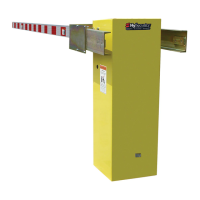
dIaGram 4: typIcaL VertIcaL LIft SIte oVerVIew
KEEP CLEAR! Gate may move at any time
without prior warning.
Do not let children operate the gate or play
in the gate area.
This entrance is for vehicles only.
Pedestrians must use a separate entrance.
Moving Gate Can Cause Serious
Injury, Death, or Vehicle Damage
KEEP CLEAR!
Minimum
8 ft (2.4 m)
Clearance
Thru-beam Photo Eye
NOTICE: HySecurity vertical lift gates are equipped with a Type A inherent entrapment sensor (IES) that complies
with UL 325. Any impediment to gate travel causes the gate to stop and reverse.
Monitored external entrapment protection sensors, which can be used in this site scenario and are compatible with
HySecurity vertical lift gates, appear in the following chart. For a full list, refer to page 6.
EXAMPLE: External Entrapment Protection Sensors: Normally Close Contact, Compatible with HySecurity Gate Operators
P/N 2016 Monitored Sensors Sensor Type Output Manufacturer
UL 325
Recognized
MX3990 IRB-MON (Dist.~ 65 ft) Thru-beam photo eye Normally Closed EMX Industries Type B1
NOTE: A Thru-beam Photo Eye is recommended in this site scenario. A monitored wireless edge sensor is a viable option, though it
is not called out in the site scenario, chart above, or wiring diagram. Every site is different. On vertical lift gates, one monitored
sensor must be installed to protect the close direction of travel. However, all potential entrapment zones should be protected with
contact or non-contact sensors. HySecurity gate operators detect NC output sensors and monitor them to comply with UL 325
Standard of Safety.
22 D0726 Rev. J UL 325 - 2016 HySecurity Monitored Sensors © 2016 www.hysecurity.com




 To Next Page