Expansion Stages and System Capacity
53
Mitel 470 as of R4.1
syd-0585/1.2 – R4.1 – 08.2016
Use of VoIP channels
VoIP channels are always required between IP and non-IP endpoints. They are freely
available, i.e. they are always used wherever they happen to be needed. The figure below
gives an overview of the cases where VoIP channels are needed and how many of them
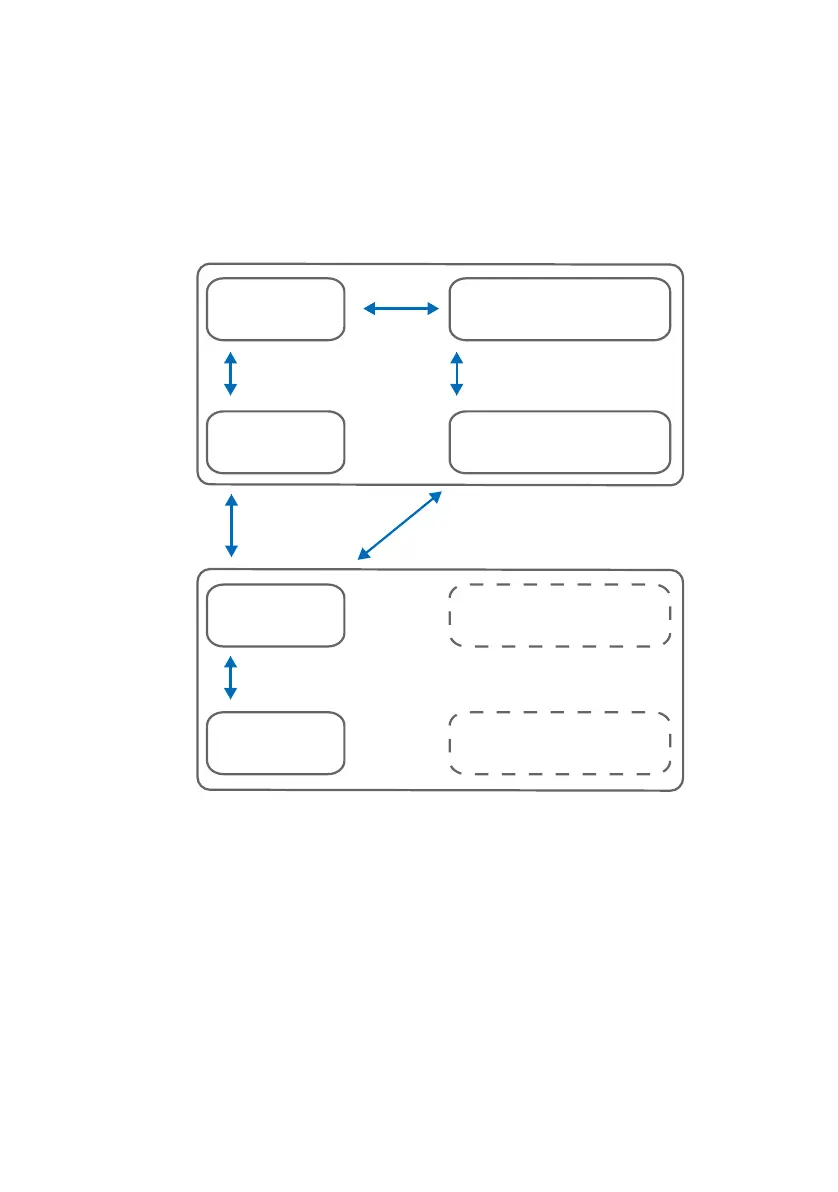
Tab. 18 Required VoIP channels between two possible endpoints
Non-IP endpoints:
• Analogue terminal (FXS)
• Digital system terminal (DSI)
• DECT cordless phone (DSI)
• ISDN phone (BRI-S)
• External via analogue exchange (FXO)
• External via ISDN exchange (BRI-T/PRI)
• Internal voice mail system
• Auto attendant
• Internal announcement service
• Music on hold
• Conversation recording
• Announcement with audio file
• Queue with announcement
• Conference bridge
IP endpoints
• IP system phone
• Mitel SIP terminal
• Standard SIP terminal
• DECT cordless phone via SIP-DECT
• WiFi cordless phone via SIP-DECT
• WiFi cordless phone via SIP access point
• WiFi mobile phone via MMC controller
• External via SIP provider
IP endpoints on satellites:
In normal operation all IP endpoints are registered with the
master, even if they are located on the satellite.
IP endpoint
IP endpoint
Non-IP endpoint
Non-IP endpoint
Non-IP endpoint
Non-IP endpoint
Direct switching: No VoIP channel
Indirect switching: 2 VoIP channels
2 VoIP channels
No VoIP channel
No VoIP channel
1 VoIP channel
1 VoIP channel
Master
Satellite


 To Next Page