32
Solo Modes 1
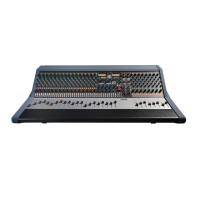
The 8424 console has three solo modes, each solo system offers
professional signal isolation derived from Neves large-format studio
consoles. Each solo mode works differently while allowing users to listen to
console signal sources in isolation.
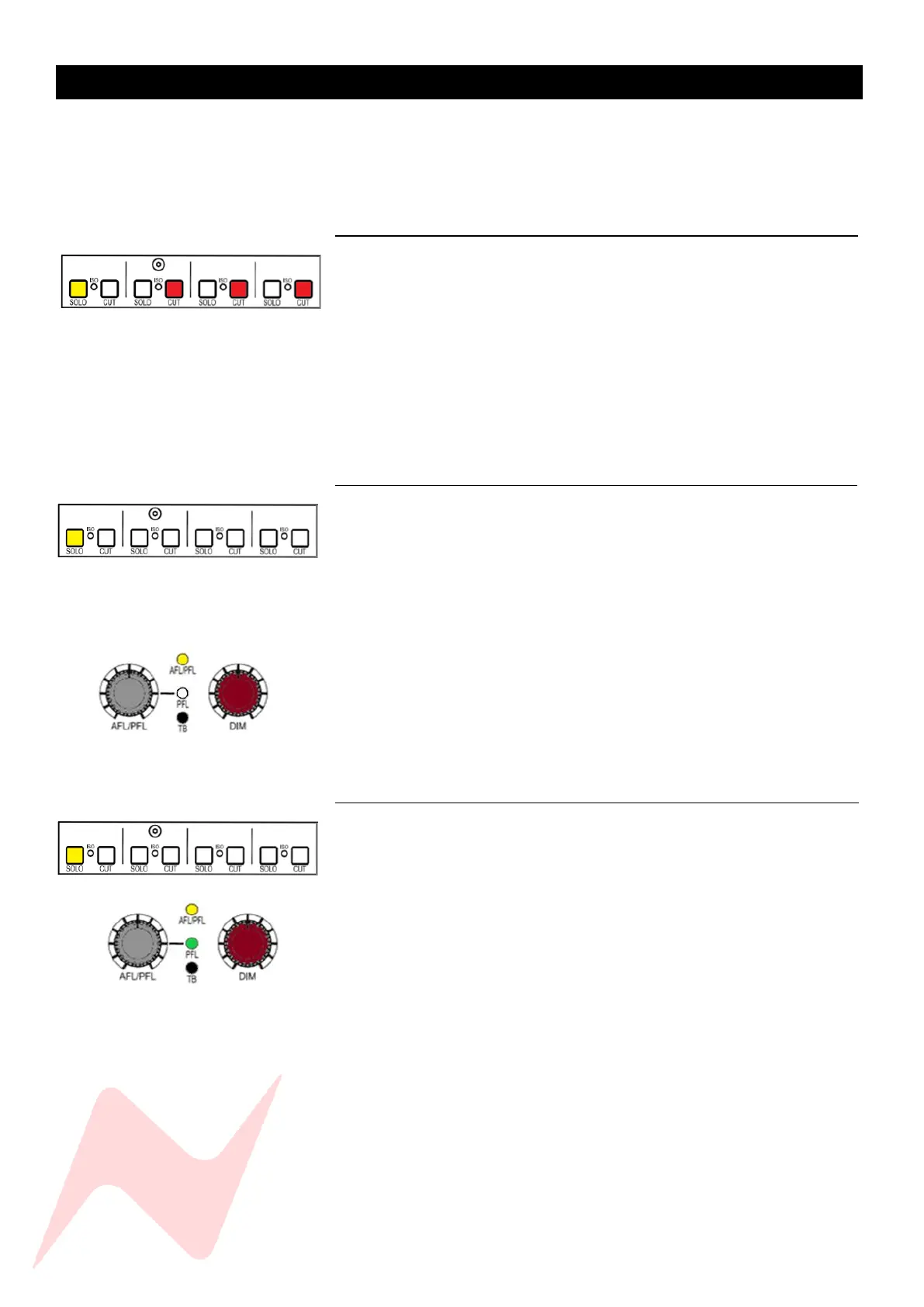
SIP Solo-in-Place 1
Solo in place is the 8424 default solo mode. SIP is destructive, any channel
solo will mute all other console channels. SIP sends the soloed channel
signal through the stereo mix bus. All 24 channels 4 mono groups can be
soloed-in-place as well as console inputs 25-48 when in 48-Mix mode. Solo
in place is useful when mixing, as it allows engineers to hear exactly how a
signal sounds in-place within the stereo field, including channel processing,
Pan, Fader Level, Aux, Cue sends and Routing assignments. Since Solo in
place is routed through the Stereo Mix bus, all stereo mix processing is
active and retained while soloing.
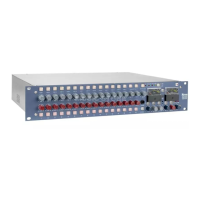
AFL After Fader Listen 1
After fader listen is activated by pressing SOLO SAFE in the global console
controls section of the 8424 or on a channel by channel basis by activating
ISO. AFL is Non-destructive, meaning that any soloed signal does not mute
other console signals. AFL uses its own stereo bus, separate from the stereo
mix bus, the AFL bus also uses voltage mixing through Marinair®
transformers allowing for accurate soloing. The master AFL Level control
located in the control room monitor section of the console and sets the
master AFL level to be fed to the headphones and stereo mix bus. AFL is
useful when recording, as any AFL soloed signal does not mute other
channel signals, therefore not affecting the recording Direct Outputs or
AUX/CUE sends. AFL signals are routed to the AFL bus after the channel
fader and pan, allowing for accurate stereo imaging and level when soloing.
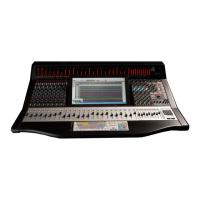
PFL Pre Fader Listen 1
Pre fader listen is Activated by pressing SOLO SAFE in the global console
controls section of the 8424 and then pressing the ALF/PFL level pot. (or on
a channel by channel basis by activating ISO). PFL is Non-destructive,
meaning that any soloed signal does not mute other console signals. PFL
signals are routed thorough the AFL bus in the same way as AFL solos but
with the key difference of not including fader level and pan position. Any PFL
signal will be heard in Mono and at the incoming channel signal level set by
the Trim Pot. Since PFL listens to the consoles incoming signal before it is
processed by any channel inserts and attenuated by the channel faders it is
very useful for preparing to record by auditioning incoming signal levels,
adjusting channel strip trim levels and preamp/DI gain levels. PFL is also very
useful for quickly identifying problem signals within a mix session such as
feedback or distortion.


 To Next Page