Remote Operations
How to Use Commands 5
5-31
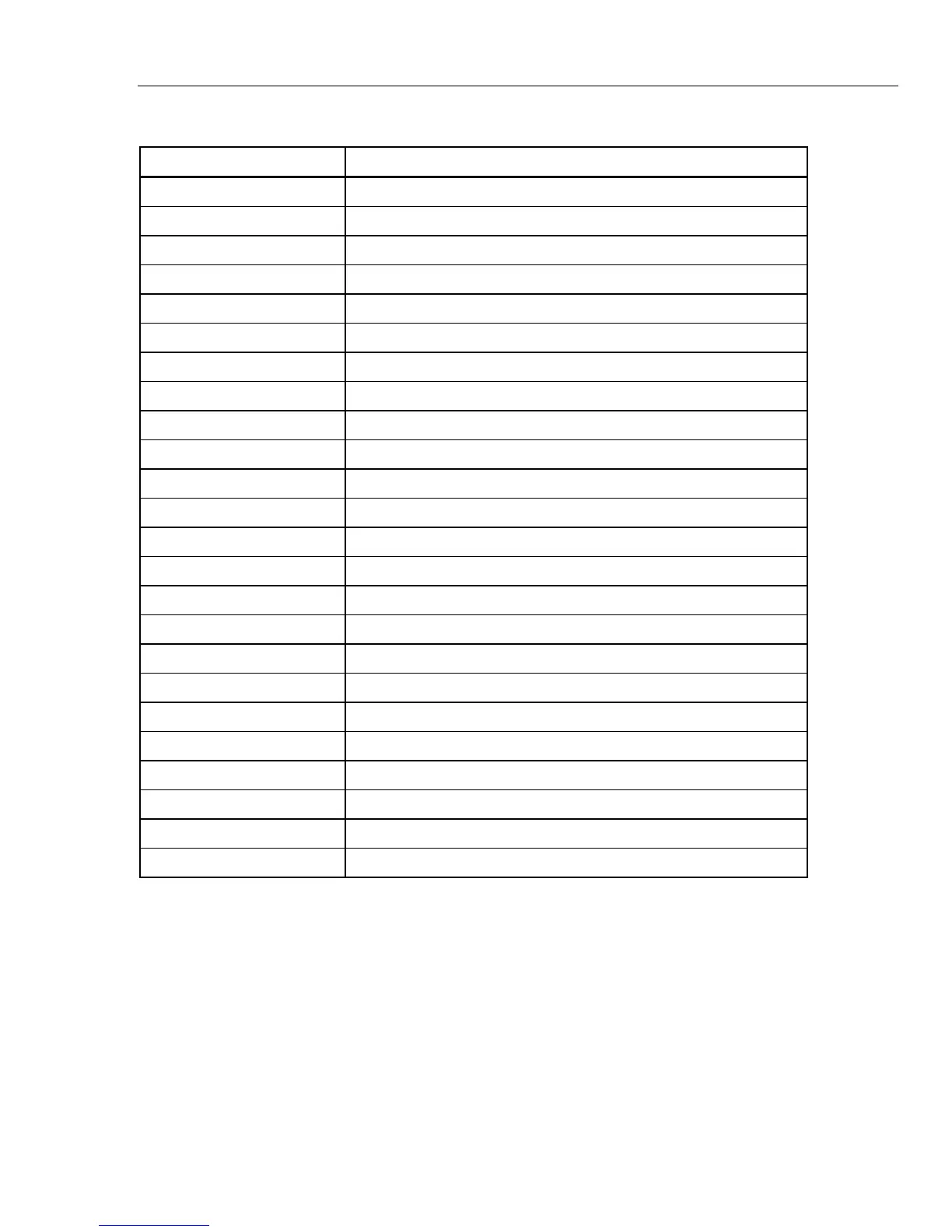
Table 5-8. Units Accepted in Parameters and Used in Responses (cont.)
Units Meaning
OHM Resistance in units of ohms
KOHM Resistance in units of kilohms
MOHM Resistance in units of megohms
NF Capacitance in units of nanofarads
PF Capacitance in units of picofarads
UF Capacitance in units of microfarads
MF Capacitance in units of millifarads
F Capacitance in units of farads
CEL Temperature in degrees Celsius
FAR Temperature in degrees Fahrenheit
NS Period in units of nanoseconds
US Period in units of microseconds
MS Period in units of milliseconds
S Period in units of seconds
PSI Pressure in pound-force pre square inch
MHG Pressure in meters of mercury
INHG Pressure in inches of mercury
INH2O Pressure in inches of water
FTH2O Pressure in feet of water
MH2O Pressure in meters of water
BAR Pressure in bar
PAL Pressure in Pascal
G/CM2 Pressure in grams per centimeter squared
INH2O60F Pressure in inches of water at 60 degrees Fahrenheit
General Rules The general rules for parameter usage is as follows:
1. When a command has more than one parameter, the parameters must be separated by
commas. For example: OUT 1V, 2A.
2. Numeric parameters may have up to 15 significant digits and their exponents can be
in the range ±1.0E±20.
3. Including too many or too few parameters causes a command error.
4. Null parameters cause an error, e.g., the adjacent commas in OUT 1V, ,2A.
5. Expressions, for example 4+2*13, are not allowed as parameters.
6. Binary Block Data can be in one of two forms: Indefinite Length and Definite Length
format (both IEEE-488.2 standards).



 To Next Page