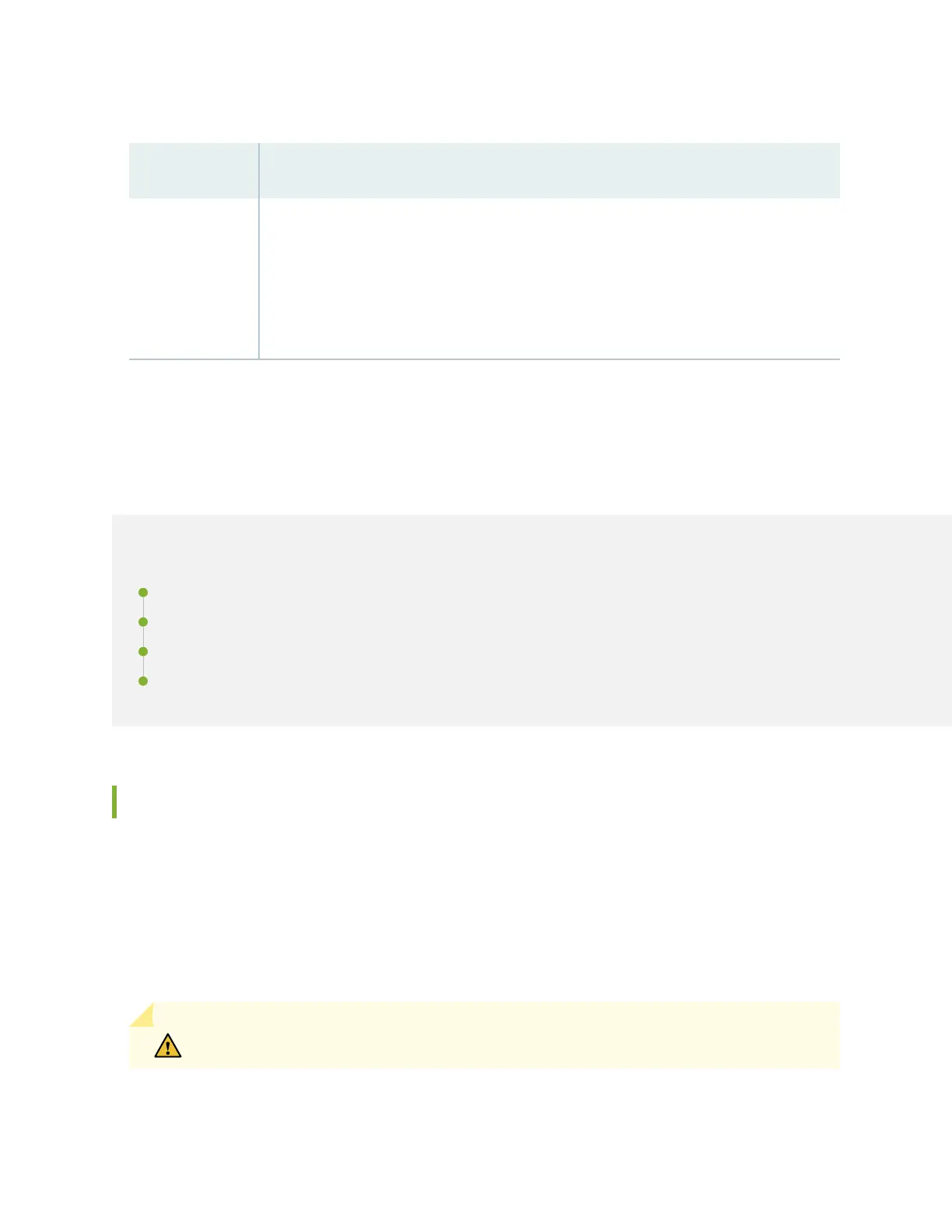
Table 15: Rack Requirements for the QFX5240
(Connued)
Rack Requirement Guidelines
Rack connecon
to building
structure
• Secure the rack to the building structure.
• If earthquakes are a possibility in your geographical area, secure the rack to the oor.
• Secure the rack to the ceiling brackets as well as wall or oor brackets for maximum
stability.
QFX5240 Network Cable and Transceiver Planning
IN THIS SECTION
Determining QFX5240 Opcal Interface Support | 46
Cable Specicaons for QSFP+, QSFP28, and QSFP-DD Transceivers | 47
Understanding QFX Series Fiber-Opc Cable Signal Loss, Aenuaon, and Dispersion | 49
Calculang Power Budget and Power Margin for Fiber-Opc Cables | 51
Determining QFX5240 Opcal Interface Support
You can nd informaon about the opcal transceivers supported on your Juniper device by using the
Hardware Compability Tool. In addion to transceiver and connecon type, the opcal and cable
characteriscs–where applicable–are documented for each transceiver. The Hardware Compability
Tool enables you to search by product, displaying all the transceivers supported on that device, or
category, by interface speed or type. The list of supported transceivers for the QFX5240 is located at
hps://apps.juniper.net/hct/product/#prd=QFX5240.
CAUTION: The Juniper Networks Technical Assistance Center (JTAC) provides
complete support for Juniper-supplied opcal modules and cables. However, JTAC does
46





 To Next Page