KONE NanoSpace™
Owner’s Manual
31 (196) OM-01.03.086
(B) 2016-01-11
© 2014 KONE Corporation
All rights reserved.
6.5 Special elevators and components
If your elevator is equipped with the features or components described in this section, follow
these instructions.
6.5.1 Elevators for persons with disabilities (EN 81-70:2001)
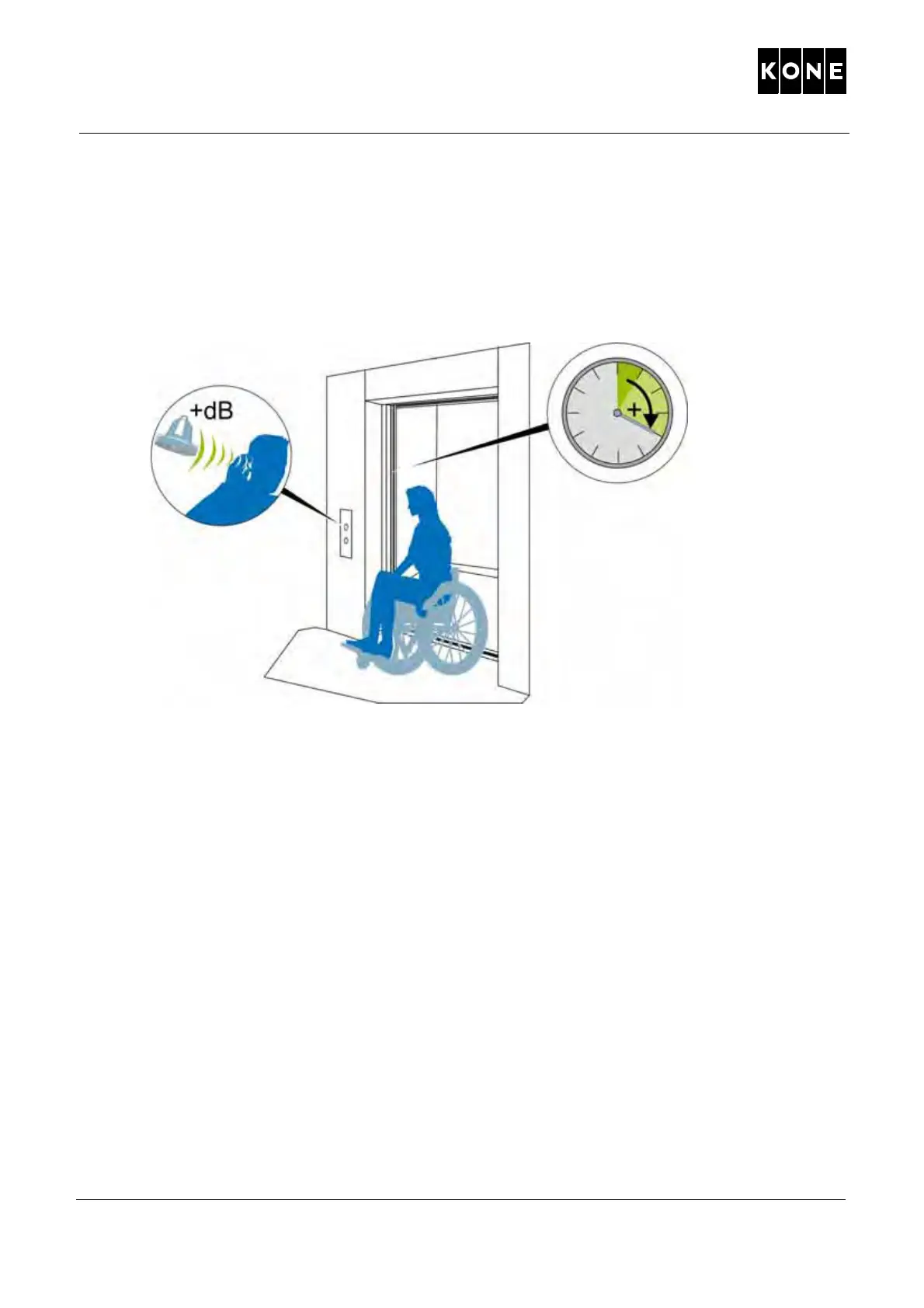
Figure 3. Elevator features for the disabled
There is no EU legislation requiring elevator accessibility for the disabled, but there is a
recommendation to have at least one such elevator per building. Accessibility features are an
investment in building value. KONE provides elevators to comply with EN 81-70:2001 when
specified in the order. The owner must ensure that:
– There is safe and unobstructed access to the elevator and it
s control devices on landing.
This is especially important for people using, for example, wheelchairs or roller frames
– The door dwell time is sufficient for persons with disabilities. T
he initial setting with KONE
elevator doors is 5 seconds, but this is adjustable to between 2 and 20 seconds. If the
dwell time setting is not suitable or the passengers' needs change, for example, due to
people getting older, the elevator owner must ask the elevator maintenance company to
readjust the setting
– The noise level of audible signals for call buttons in the car and at the landing is sufficient
for people
with impaired hearing. If the audible signal level is not sufficient, the elevator
maintenance company can readjust them on request. Audible signals are adjustable
between 35 and 65 dB(A). The background noise in the building may require an increase
in the noise level of audible signals
– Authorized persons to rescue trapped passengers are instructed to react immediately on
signals from the emerg
ency alarm device even when no response is given by the person
in the car, as the person may have impaired hearing or speech. Rescue operations are
otherwise performed as instructed in this document.



 To Next Page