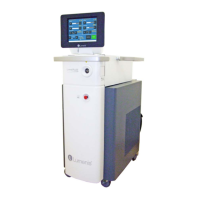
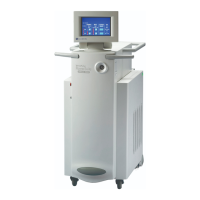
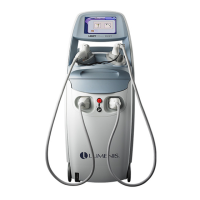
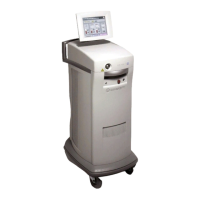
Selecta
PBL200051, Rev J
110 Professional Use Instructions
Patient considerations
A thin fluid layer on the cornea is desirable. The patient is asked to blink
regularly to avoid corneal drying. Topical steroids should be used for any
significant postoperative inflammation.
Adverse effects
Adverse effects include:
• IOP rise to 50 mm Hg or greater, regardless of duration.
(Hospitalization may be required for the institution of IOP-
reducing therapy. Pain and nausea may accompany such a
significant IOP rise.)
• IOP rise to 30 mm Hg or greater persisting for one week or more
• secondary glaucoma
• hyphema
• inflammatory reactions, such as iritis, vitritis, or uveitis
• retinal complications, such as retinal hemorrhage, retinal tears or
holes, retinal detachment, and cystoid macular edema
• pupillary block
• anterior hyaloid face rupture
• anterior displacement of the vitreous
• vitreous movement with corneal touch
• corneal injury (including damage to the endothelium, stroma, or
epithelium)
• anterior chamber injury (including loose cortex, or capsular
fragments, flare, cells, or debris)
• intraocular lens damage (including pits, fractures, or dislocations)
• intraocular bleeding
• vitreal chamber injury (including loose cortex or capsular
fragments)
• generalized endophthalmitis with vitreous involvement
• corneal edema
• neovascularization of the iris
•iris damage
• vitreous hemorrhage


 To Next Page